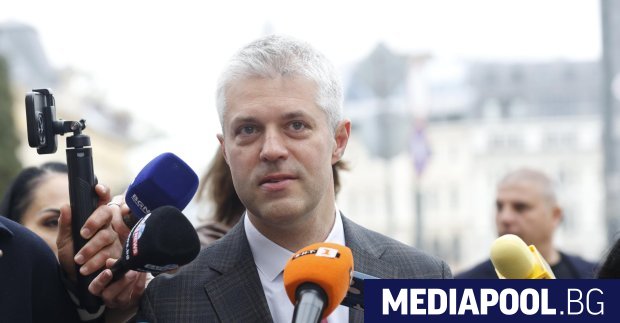
In the complex landscape of Bulgarian municipal governance, the intersection of national security, urban development, and political accountability remains a flashpoint for public debate. Blagomir Kotsev, the current Mayor of Varna, has recently brought renewed attention to the historical tensions surrounding the city’s administration, specifically regarding allegations of unlawful construction and the handling of sensitive state intelligence. As the coastal city grapples with the legacy of previous administrations, questions surrounding transparency and the rule of law continue to dominate the local political discourse.
The core of the current controversy involves Blagomir Kotsev’s assertions regarding his past actions, specifically a claim that he was detained following the submission of information to the State Agency for National Security (DANS) concerning the activities of Alexander Nevzorov. These allegations, which have surfaced amidst a broader investigation into irregular building practices in the Varna region, highlight the challenges faced by local officials when navigating the opaque intersection of private development interests and state oversight. For the residents of Varna, these developments are not merely political theater; they represent a fundamental question of how land use and administrative integrity have been managed in one of Bulgaria’s most significant economic hubs.
The “Baba Alino” Development and Administrative Accountability
Central to the ongoing scrutiny is the area known as “Baba Alino,” a location that has become synonymous with allegations of unchecked and potentially illegal construction. Mayor Kotsev has consistently maintained that his administration has been working to address these systemic issues since taking office in 2024. This effort involves auditing past projects and identifying structures that may have bypassed the rigorous environmental and safety standards required under Bulgarian law, as outlined by the Spatial Development Act.
Conversely, former Mayor Ivan Portnih has publicly distanced his tenure from the rapid expansion of these projects. Portnih has asserted that the most intensive phase of construction in the area occurred after his term ended, characterizing the period between 2024 and 2026 as the “apogee” of development. This discrepancy in timelines highlights a common hurdle in investigative journalism: determining accountability when administrative records are contested or when regulatory oversight is claimed to have been deliberately weakened.
The Bulgarian regulatory framework for construction requires strict adherence to urban planning documents and environmental impact assessments. When these are circumvented, the legal repercussions for both developers and the municipal officials who signed off on the permits can be severe. As the current administration attempts to untangle these historical knots, the public remains focused on whether the “illegal” tags currently being applied to various sites will result in actual demolition or merely prolonged litigation.
State Security and Political Friction
The claim made by Blagomir Kotsev regarding his interaction with the State Agency for National Security (DANS) adds a layer of national security complexity to the local administrative dispute. DANS, the Bulgarian equivalent of a domestic intelligence agency, is charged with protecting national security from internal threats. According to the Law on the State Agency for National Security, the agency is mandated to investigate activities that could undermine the state’s democratic foundations or its international commitments.
The connection of these claims to the figure of Alexander Nevzorov—a Russian journalist and political commentator who has been a polarizing figure in the context of the war in Ukraine—suggests that the investigation may extend beyond local zoning laws into broader concerns about foreign influence. While Kotsev asserts that his cooperation with the agency led to his detention, the details surrounding the legal basis for such a detention remain subject to verification. It is essential to distinguish between political rhetoric and the formal procedures of the Bulgarian judiciary, which operates independently of municipal executive offices.
Transparency and the Path Forward
For the citizens of Varna, the ongoing saga of “Baba Alino” and the accompanying political finger-pointing present a significant challenge to civic trust. The primary goal of current municipal efforts, as stated by the Mayor’s office, is to restore order to urban planning. However, this process is inherently slow. As Kotsev has noted in recent public statements, the removal of unauthorized structures is not an overnight task; it requires navigating a labyrinth of property rights, court injunctions, and administrative appeals.
The impact of this situation is felt most acutely by those living near the affected areas, where infrastructure and environmental quality are at stake. As the city moves toward the next phase of its urban development strategy, the pressure on the municipal council to provide clear, evidence-based updates remains high. Residents looking for official status updates on construction permits or environmental compliance can typically monitor the official Varna Municipality portal, which serves as the primary repository for public notices and administrative decisions.
Key Takeaways
- Administrative Audit: The current Varna administration is actively reviewing construction permits issued over the past several years to identify potential violations of the Spatial Development Act.
- Competing Narratives: Former and current municipal leadership remain in disagreement over the primary period of growth for controversial developments in the “Baba Alino” area.
- National Security Concerns: Claims regarding interactions with DANS suggest that local zoning disputes may be intersecting with broader national security investigations, though formal documentation remains limited.
- Legal Hurdles: The process of halting or reversing unauthorized construction is governed by complex legal procedures, ensuring that any municipal intervention must be defensible in court.
Next Steps for Accountability
The resolution of these issues will likely be determined in the coming months as pending court cases related to land use and administrative permits reach a conclusion. The public can expect further developments during the next scheduled sessions of the Varna Municipal Council, where the transparency of the “Baba Alino” project is expected to be a recurring agenda item. We will continue to monitor the filings from the Varna Administrative Court to provide our readers with verifiable updates on the legal standing of these disputed properties.

As this story continues to evolve, we invite our readers to engage in the conversation. What role should municipalities play in balancing rapid development with environmental and legal standards? Share your thoughts in the comments section below.