
For years, residents and public health officials around the Great Lakes have maintained a vigilant watch over Lake Erie, primarily focusing on a well-known threat: microcystins. These toxins, produced by massive seasonal harmful algal blooms (HABs), are a recognized hazard to drinking water supplies and recreational activities. However, new research suggests that our current understanding of this “forbidden soup” of potential toxins may be significantly incomplete.
A comprehensive study published in The ISME Journal reveals that these algal blooms are far more complex than previously understood. By analyzing samples collected from the western basin of Lake Erie between 2016 and 2022, researchers have identified a wider range of bioactive cyanopeptides that appear in distinct, seasonal patterns. These findings suggest that the chemical environment of the lake is a dynamic, multi-layered system that may pose risks beyond what is currently captured by standardized monitoring protocols.
The research, which utilized microbial DNA sequencing to link specific bacteria to the compounds they produce, indicates that microcystins are merely the “tip of the iceberg.” As climate change continues to influence water temperatures and nutrient runoff patterns, understanding the full spectrum of these compounds—and how they interact—has become an urgent priority for environmental scientists and public health policymakers alike.
The Hidden Chemistry of Harmful Algal Blooms
The study, which involved collaboration between the University of Michigan, the National Oceanic and Atmospheric Administration (NOAA), and the United States Geological Survey (USGS), provides a new framework for viewing Lake Erie’s summer blooms. According to the research, these events are not static, but rather transition through three distinct phases. Each phase is characterized by different environmental conditions, such as nitrogen availability, which in turn dictates the specific types of toxins produced by the cyanobacteria Microcystis and other associated microbes.


In the early stages of a bloom, microcystins are the dominant concern. However, as nitrogen levels in the water column fluctuate, the microbial community adapts, leading to the production of other bioactive cyanopeptides, including anabaenopeptins, aeruginosins, and aerucyclamides. These compounds, while less frequently discussed in public health advisories, possess their own biological activity that warrants further investigation.
The significance of this discovery lies in the potential for these compounds to interact. Laboratory research published in Environmental Toxicology suggests that when these toxins exist in combination—as they do in the “soup” of the lake—they may amplify each other’s toxicity. While cell-line studies do not provide a direct 1:1 correlation to human health outcomes in a real-world ecosystem, they serve as a critical warning that our current, narrow focus on microcystins may underestimate the total toxicological burden present in the water.
Why Current Monitoring Models May Need Expansion
Public health management for large lakes relies heavily on risk assessment models that track specific, known indicators. In the case of Lake Erie, the primary focus remains on microcystin levels to ensure compliance with safe drinking water standards established by the Environmental Protection Agency (EPA) and state-level health departments. However, the discovery of unmonitored compounds that exhibit toxicity similar to known congeners raises questions about the long-term efficacy of these models.
The researchers emphasize that the goal is not to alarm the public, but to improve the precision of environmental health management. As climate change shifts the duration and intensity of algal blooms in the Great Lakes region, the “bigger picture” of water quality must include these secondary compounds. The integration of advanced genomic monitoring—such as the DNA-based methods used in this study—could eventually provide a more holistic view of water safety, allowing for better-informed public health decisions.
Key Takeaways for Public Health
- Beyond Microcystins: Harmful algal blooms produce a diverse range of bioactive compounds that are not currently included in routine water quality testing.
- Seasonal Variation: Toxin production shifts throughout the season based on nutrient availability and microbial succession, requiring more frequent and comprehensive monitoring.
- Synergistic Toxicity: Preliminary laboratory tests indicate that mixtures of different cyanopeptides can exhibit amplified toxic effects, suggesting that the total risk may be greater than the sum of individual components.
- Future Research Needs: There is a critical need for in-depth toxicological studies to understand how these compounds affect human and animal health in real-world settings.
Addressing the Environmental Challenge
The health of Lake Erie is inextricably linked to the surrounding watershed. Nutrient runoff, particularly from agricultural activities, provides the nitrogen and phosphorus necessary to fuel these massive blooms. While the current study highlights the chemical complexity of the blooms themselves, it also underscores the importance of ongoing efforts to manage nutrient loading into the Great Lakes. The Great Lakes Restoration Initiative and other federal programs continue to invest in long-term strategies to mitigate these inputs.
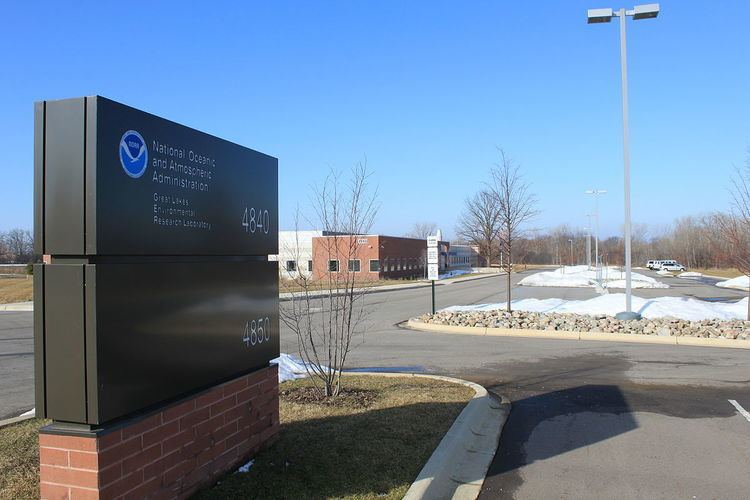
For residents and local municipalities, the best approach remains staying informed through official channels. The NOAA Great Lakes Environmental Research Laboratory provides regular updates on bloom forecasts and water quality conditions. These resources are essential for those who rely on the lake for recreation or as a source of municipal drinking water. As research progresses, these agencies will likely refine their monitoring strategies to incorporate the broader range of compounds identified in recent years.
The scientific community is now calling for a shift in how we approach risk management in large, freshwater ecosystems. By focusing on the “forbidden soup” of compounds rather than individual toxins, You can build more resilient systems that protect both the ecosystem and the millions of people who depend on Lake Erie for their daily needs. The next steps for the research team involve further characterizing the toxicity of these newly identified peptides and developing standardized methods for their detection in the field.
For the latest updates on regional water quality, please consult the official reports from the NOAA Great Lakes Environmental Research Laboratory and your local municipal water authority. We invite our readers to share their thoughts and experiences regarding water quality in their local communities in the comments section below.
Keep reading