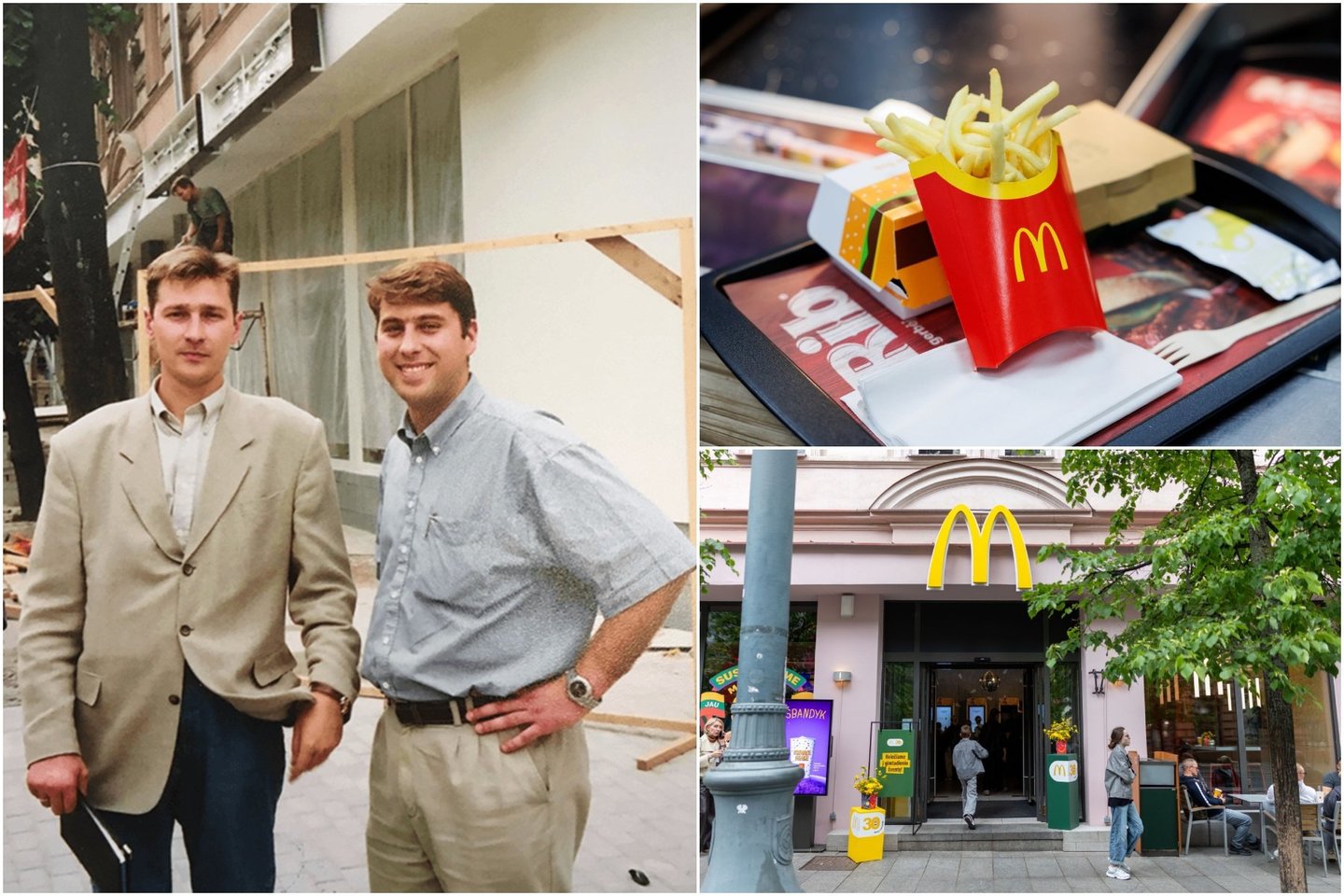
In the early 1990s, Lithuania stood at the threshold of a new economic era, transitioning from a planned economy to a market-based system. Among the most potent symbols of this transformation was the arrival of global fast-food giant McDonald’s. As the company marks its 30th anniversary in the country this year, its journey from a singular, highly anticipated opening in Vilnius to a nationwide presence offers a unique lens through which to view the evolution of Baltic consumer culture.
The story of how McDonald’s conquered the Lithuanian market began not with a grand corporate strategy document, but with the curiosity and ambition that characterized the post-Soviet business landscape. The arrival of the brand was more than just the introduction of a menu; it represented the arrival of international standards in service, supply chain management, and the normalization of Western-style dining habits. Today, the company’s expansion continues, with new locations currently in development across the country, signaling a shift in focus beyond the capital city.
For many, the memory of that first restaurant remains vivid. It was a time when the novelty of a Big Mac or a portion of fries was enough to draw crowds that snaked around the block. That initial success set the stage for what has become a long-term commitment to the region, with the company’s leadership identifying Lithuania as having the highest potential for growth among the Baltic states.
Three Decades of Evolution in the Baltic Market
When the first McDonald’s opened its doors in Lithuania in 1996, it was a cultural event. The queues were a testament to the pent-up demand for Western brands that had been inaccessible for decades. Over the last 30 years, the landscape of the Lithuanian food and beverage industry has shifted dramatically. The company has moved from being a unique destination to a ubiquitous presence, integrating itself into the daily routines of thousands of residents.
The operational philosophy of the chain in the Baltic region has been defined by a constant balancing act between maintaining global brand standards and adapting to local preferences. This evolution has seen the introduction of digital kiosks, mobile ordering, and delivery services—technological upgrades that reflect broader trends in the global quick-service restaurant industry. As the brand celebrates its 30th anniversary on Gediminas Avenue, it serves as a milestone for both the company’s regional growth and the maturation of the local market.
The economic impact of this presence is not limited to retail sales. The company’s supply chain requirements have played a role in shaping local food production standards. By demanding consistent quality and safety protocols from its suppliers, the brand helped establish benchmarks that many other local businesses would later adopt. This “McDonald’s effect”—the elevation of industry standards through the entry of a multinational corporation—is a well-documented phenomenon in emerging markets.
Navigating Challenges and Future Expansion
While the brand enjoys a strong market position, its path has not been without challenges. The fast-food sector in Lithuania has become increasingly competitive, with both international chains and local premium burger concepts vying for the same consumer base. Shifting dietary habits and a growing emphasis on health and sustainability have forced the company to adapt its menu and operational strategies to remain relevant to younger, more health-conscious demographics.
Looking ahead, the strategy for the Baltic market is focused on accessibility and technological integration. The recent announcement that the company will open new restaurants outside of the main metropolitan centers highlights a shift in strategy. By targeting mid-sized cities, the organization is betting on the continued decentralization of economic activity within Lithuania. This expansion is supported by capital investments aimed at modernizing existing infrastructure while simultaneously growing the physical footprint of the brand.
Key Milestones in the Lithuanian Journey
- 1996: The inaugural restaurant opens in Vilnius, marking the entry of the global brand into the Lithuanian market.
- Market Maturation: Throughout the 2000s and 2010s, the chain expanded its footprint, moving from city centers to major shopping hubs and transit corridors.
- Digital Transformation: The implementation of ‘Experience of the Future’ models, including self-service kiosks and table service, revolutionized the customer experience.
- Regional Leadership: Recent executive assessments indicate that Lithuania remains the primary focus for future growth strategies within the Baltic cluster.
Reflecting on the Cultural Shift
It is difficult to overstate the psychological impact that the arrival of such global icons had on post-Soviet societies. For the generation that experienced the opening of the first McDonald’s, it was a tangible sign of integration into the global economy. The transition from a closed system to an open market was, for many, best symbolized by the ability to walk into a restaurant and purchase a meal that was identical to one served in London, New York, or Paris.

As we look toward the next chapter for the company in Lithuania, the focus will likely remain on maintaining that balance of global consistency and local relevance. The upcoming expansion plans will be the next real-time test of this strategy. For the consumer, it means more options and continued convenience; for the industry, it means the competitive pressure to innovate will only increase. Whether the brand can continue to capture the imagination of the next generation of Lithuanian consumers as effectively as it did 30 years ago remains an open question, but the investment data suggests a high level of confidence from the company’s leadership.
As the company prepares for its upcoming commemorative events and future site launches, we will continue to monitor the impact on the local retail sector. We invite our readers to share their own memories of the early days of the brand in Lithuania in the comments section below. How has your experience with these global brands changed over the last three decades? Join the conversation as we track these developments.
Keep reading