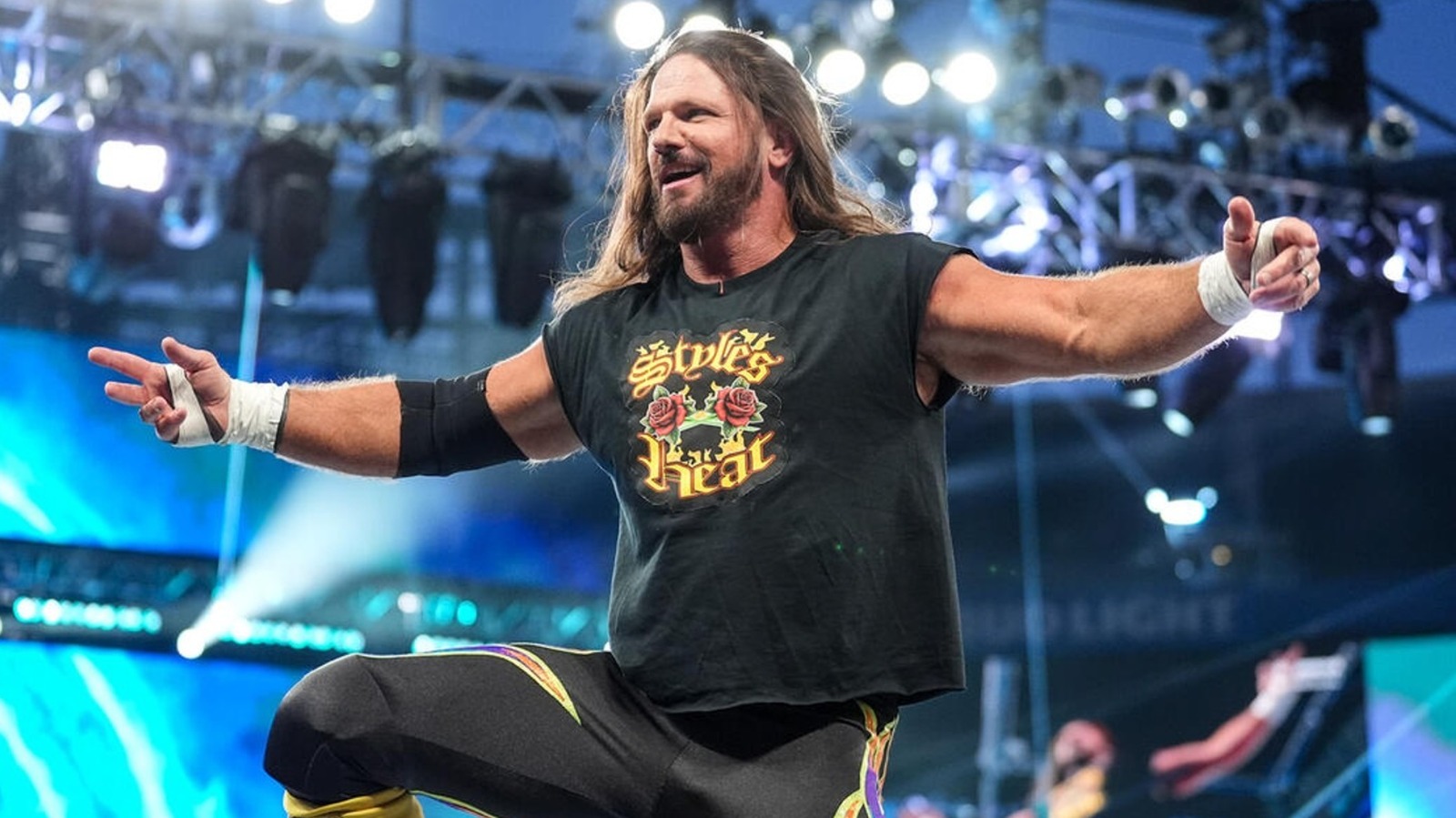
The professional wrestling landscape is often defined by the fierce competition between major promotions, but behind the scenes, there remains a deep, mutual respect among the world’s elite performers. Recently, WWE veteran and former world champion AJ Styles offered a candid perspective on the physical toll of the industry, specifically highlighting his admiration for AEW star Darby Allin. While Styles remains a cornerstone of the WWE roster, his comments have sparked a wider conversation about wrestler longevity and the risks associated with high-flying, daredevil styles of performance.
Styles, a two-time WWE Champion who has competed at the highest levels of the industry for over two decades, is widely regarded as one of the most technically sound performers in history. Known for his “Phenomenal” in-ring ability, he has evolved his style over the years to preserve his health while maintaining a high level of performance. During a recent interview, Styles expressed a genuine desire to see Allin transition to WWE, while simultaneously issuing a cautionary note about the physical risks the younger star frequently takes in his matches.
For fans of professional wrestling, the prospect of seeing top-tier talent move between promotions is a perennial topic of discussion. The industry, as analyzed by major sports outlets, continues to navigate the complexities of contract negotiations and talent movement between WWE and All Elite Wrestling (AEW). Styles’ comments—which emphasized that he would “love” to see Allin in a WWE ring—underscore the industry-wide recognition of Allin’s unique charisma and daredevil approach to the sport.
The Physical Toll of Modern Professional Wrestling
The core of Styles’ message was not a critique of skill, but a concern for the long-term well-being of a performer known for high-risk maneuvers. Darby Allin, who has become a breakout star in AEW since the promotion’s inception, is famous for his “Coffin Drop” finishing move and his tendency to put his body through significant physical trauma. Styles, drawing from his own extensive experience with injuries and career management, suggested that while such risks may build a fan base, they are not sustainable over a long career.
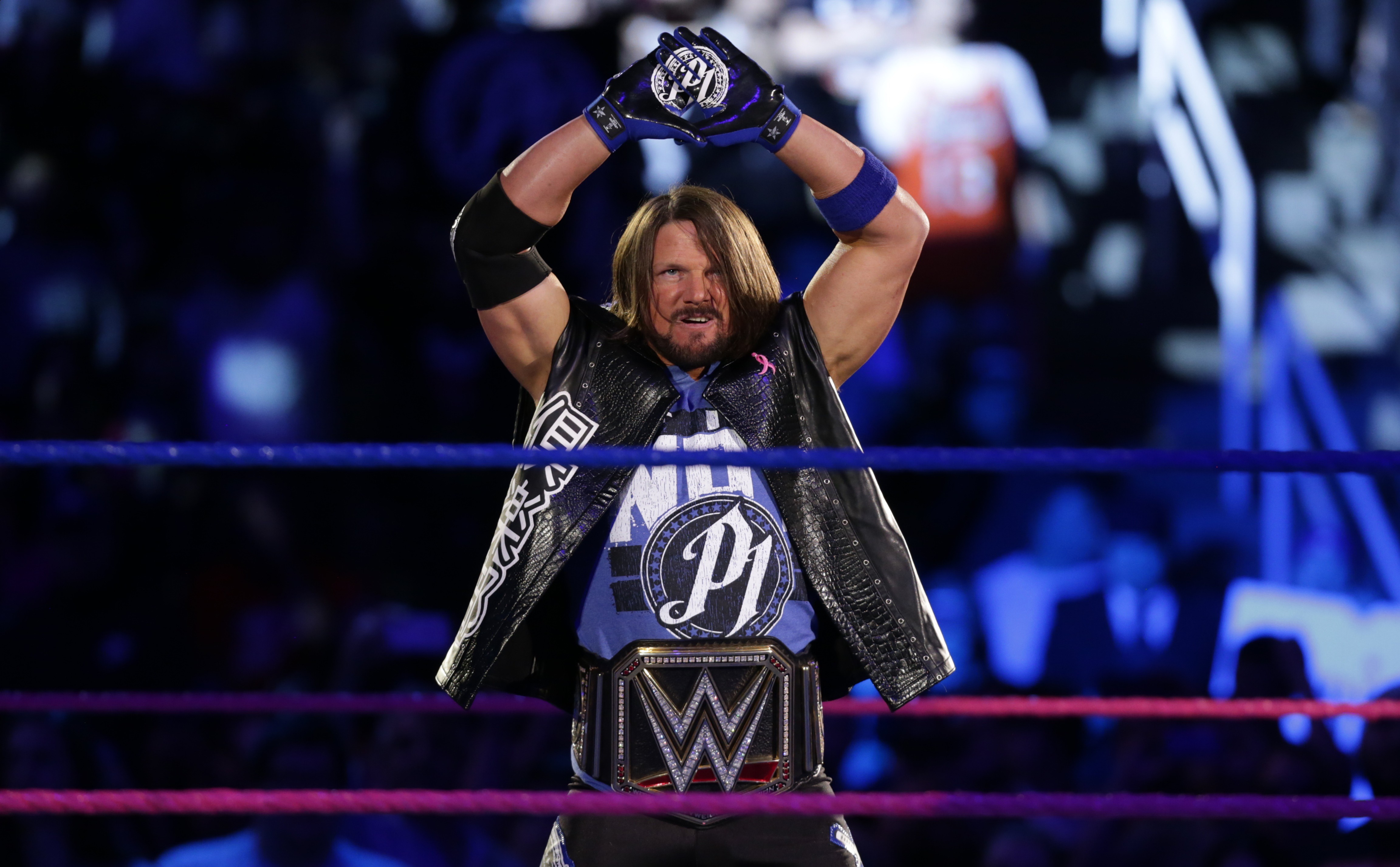
In the world of professional wrestling, the distinction between a “high-risk” style and a “sustainable” style is a frequent subject of debate among veterans. As noted in industry reporting, the physical demands of the sport have led many organizations to implement stricter medical protocols and wellness policies to protect their athletes from chronic injury. Styles, who has managed to stay relevant and active well into his 40s, serves as a prime example of the “work smarter, not harder” philosophy that many legends advocate for the next generation.
Styles’ sentiments reflect a broader trend in sports entertainment where veteran performers are increasingly vocal about the necessity of preserving one’s body. This shift is supported by institutional changes within the industry, where companies like WWE have invested heavily in performance centers and medical staffing to address the specific needs of their athletes, as detailed in their official corporate governance and health-related disclosures.
AJ Styles: A Career Defined by Evolution
To understand why Styles’ advice carries such weight, one must look at his trajectory. Since his WWE debut at the 2016 Royal Rumble, Styles has been a consistent main-event presence, earning accolades such as the European Sports Media Award in other capacities and maintaining a reputation for excellence. His ability to adapt his repertoire—shifting from the high-flying maneuvers that defined his time in TNA and NJPW to a more grounded, technical approach in WWE—is a masterclass in professional longevity.
Styles has consistently spoken about the importance of timing and ring psychology over pure spectacle. He has often stated in interviews that his goal has always been to perform at a level that keeps fans engaged without unnecessarily jeopardizing his future mobility. This approach has allowed him to remain a full-time performer for a major global organization, a feat that is increasingly rare in an era of high-impact, fast-paced wrestling.
By publicly suggesting that Allin should “take it straightforward,” Styles is effectively mentoring from afar. It’s a testament to the respect that crosses promotional lines; even as an employee of WWE, Styles recognizes the talent of a rising star in a rival company. This camaraderie is a hallmark of the professional wrestling community, where the shared experience of the road and the ring often supersedes brand loyalty.
What Lies Ahead for Talent Mobility
The question of whether Darby Allin will ever join WWE remains purely speculative. Allin is currently under contract with AEW, where he has been a consistent fixture in the main event scene and a key part of the promotion’s growth. AEW, founded in 2019, has established itself as a significant player in the global wrestling market, providing a platform for talent to showcase their skills on a major stage, as tracked by international media outlets covering the business of sports.
For the average fan, the most important aspect of this story is the recognition of talent by a peer. Styles’ endorsement of Allin is a high honor, as it comes from someone who has faced the absolute best in the world. As the industry moves forward, the dialogue between veterans and newcomers regarding safety and longevity will continue to be a vital part of the behind-the-scenes culture of professional wrestling.
We will continue to monitor the status of major wrestling talent and any official announcements regarding contract changes or roster updates. For those interested in the latest news, official statements from WWE and AEW regarding their respective rosters are the only guaranteed sources of accurate information. We encourage our readers to join the conversation below and share their thoughts on the balance between high-risk performance and career longevity in today’s sports entertainment landscape.
Worth a look
- Why the Sydney Roosters’ Indigenous Round Jersey is an Australian First
- Franco Baresi, Milan Legend and Italy Icon, Dies at 66: Tributes and Funeral Details
- Padres Acquire Robbie Ray From Giants to Bolster Injury-Hit Rotation (time.news)
- Cris Collinsworth Praises Larry Fitzgerald And Discusses The Arizona Cardinals (news-usa.today)