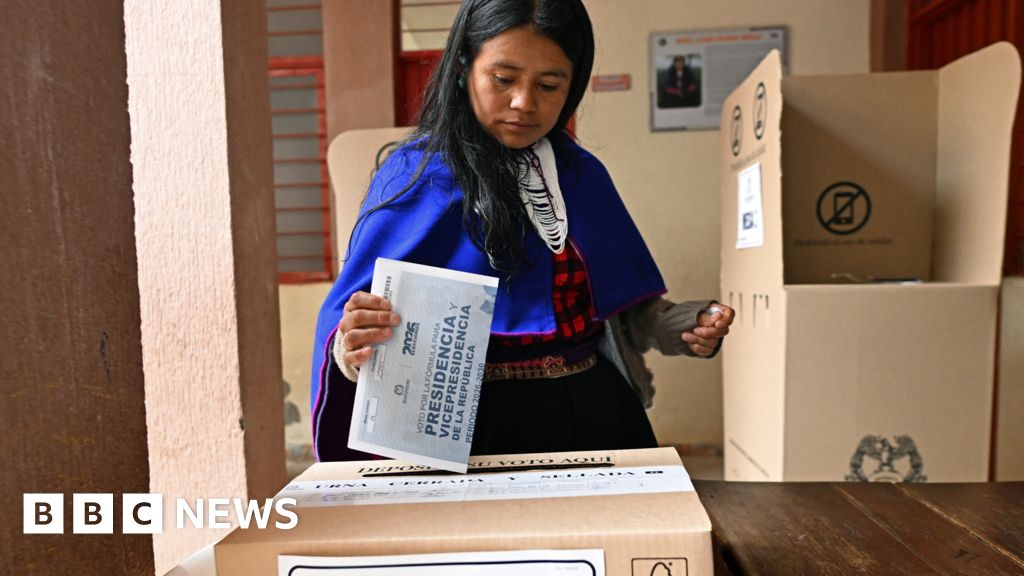
As polling stations close across Colombia, the nation stands at a significant political crossroads. The current presidential election has drawn intense international attention, as voters weigh the future of a country grappling with the complexities of economic inequality, security concerns, and shifting regional alliances. For a nation that has historically maintained a firm centrist or right-leaning political trajectory, the current electoral atmosphere represents a distinct shift in the democratic landscape.
The outcome of this race is being closely monitored by global observers, including stakeholders in Washington, who are assessing how the next administration will navigate the delicate balance of bilateral relations. Colombia has long been a strategic partner in Latin America, and the current discourse surrounding the election underscores the weight of the decisions now being made by the Colombian electorate.
A Shifting Political Landscape
The current electoral cycle follows years of evolving political discourse in Colombia. Historically, the country’s political establishment has been dominated by centrist and conservative parties, often characterized by a focus on security policies and market-oriented economic models. However, recent years have seen a marked increase in public discontent, fueled by concerns over inflation, social inequality, and the ongoing challenges of domestic violence. These pressures have created an environment where traditional political structures are being challenged by new movements and candidates who promise structural change.
The significance of this election is amplified by the regional context. Across Latin America, voters have increasingly turned toward candidates who advocate for redistributive policies and a departure from the status quo. In Colombia, this sentiment has manifested in a robust debate regarding the role of the state in addressing the needs of marginalized communities and the implementation of peace accords that remain central to the national conversation.
Key Issues Facing the Electorate
For the average Colombian citizen, the primary concerns driving voter turnout are deeply personal. Economic stability remains a top priority, with many households feeling the strain of rising costs of living. According to reports from the World Bank, Colombia continues to face structural challenges related to poverty and income distribution, which have remained central themes throughout the campaign. Candidates have proposed a wide range of solutions, from expanding social safety nets to incentivizing private investment in rural sectors.
Security also remains a critical pillar of the national debate. Despite efforts to stabilize regions affected by the long-standing armed conflict, localized violence persists in various parts of the country. Voters are looking for clear commitments on how the next president will handle the implementation of the 2016 peace agreement and the management of non-state armed groups that continue to operate in peripheral territories. The United Nations Peacebuilding Fund has consistently highlighted the importance of institutional presence in these areas as a prerequisite for long-term stability.
International Relations and the Road Ahead
The relationship between Colombia and the United States has traditionally been one of the most stable in the Western Hemisphere, anchored by cooperation on counternarcotics, trade, and regional security. However, observers are watching closely to see how the results of this election might influence these long-standing ties. The United States maintains a significant interest in the democratic stability and economic growth of its South American partner, and the transition of power will likely initiate a period of recalibration in diplomatic engagement.
The process of counting ballots is now underway, with election authorities emphasizing the transparency and security of the procedures. The Registraduría Nacional del Estado Civil, the body responsible for organizing elections in Colombia, has deployed monitoring systems to ensure that the tabulation process proceeds accurately. Citizens are encouraged to monitor these updates through official government channels to ensure access to verified data as the results emerge.
What Happens Next?
- Official Vote Tally: The Registraduría will continue to release updated figures as ballots are processed from across the country.
- Institutional Review: Once the preliminary count is completed, the formal review process by electoral tribunals will follow to certify the legitimacy of the results.
- Transition Planning: Following the certification, the incoming administration will begin the formal transition process, coordinating with outgoing officials to ensure continuity in government operations.
As the night progresses and results become clearer, the focus will shift toward the rhetoric of the candidates and their respective parties. Whether the outcome results in a continuity of current policies or a significant pivot, the stability of Colombia’s democratic institutions will remain the primary benchmark for the international community. We will continue to provide updates as official figures are finalized and the next steps for the Colombian executive branch are confirmed.

What are your thoughts on the potential shifts in Colombian policy? Join the conversation in the comments section below and share your perspectives on how this election might influence the broader regional economy.