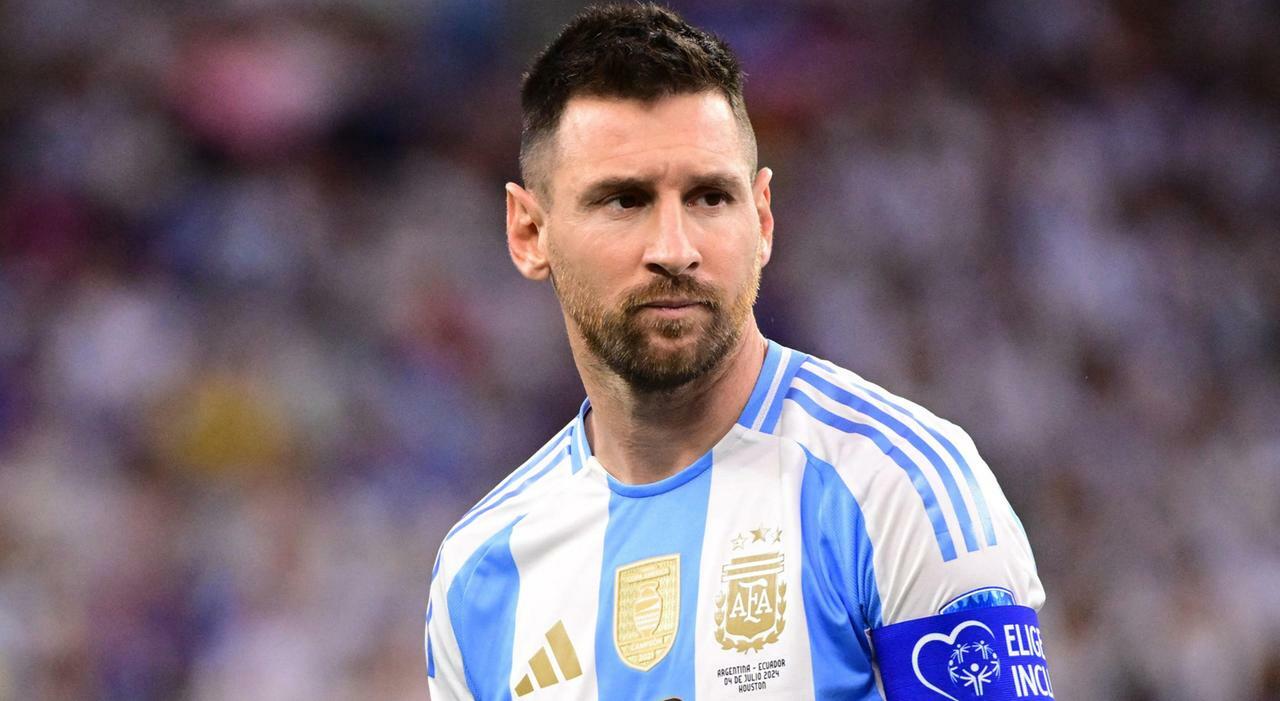
As the international football community turns its gaze toward the 2026 FIFA World Cup, the scale of the upcoming tournament represents a historic shift in the sport’s global landscape. With the event set to span three host nations—Canada, Mexico, and the United States—fans and analysts alike are preparing for an unprecedented expansion of the world’s most anticipated sporting event. This tournament marks a significant evolution in FIFA’s competitive structure, promising a broader reach and a greater number of matches than any previous iteration.
The 2026 FIFA World Cup is scheduled to feature 48 participating nations, a substantial increase from the 32-team format that defined the tournament for decades. This expansion will see a total of 104 matches played over a five-and-a-half-week period, testing the logistical and infrastructural capabilities of the three North American hosts. According to official tournament guidance, the action begins on June 11, 2026, with an opening ceremony in Mexico City, followed immediately by the tournament’s inaugural match between Mexico and South Africa.
A Transcontinental Spectacle
The decision to host the tournament across three countries reflects a strategic effort to accommodate the expanded field of 48 teams. By utilizing 16 stadiums across the continent, FIFA aims to provide a localized experience for fans while managing the complex travel requirements of dozens of national squads. In Mexico, matches are slated for Mexico City, Guadalajara, and Monterrey. Canada will host fixtures in Vancouver and Toronto, while the United States will serve as the primary host with 11 cities, including Atlanta, Boston, Dallas, Houston, Kansas City, Los Angeles, Miami, New York-New Jersey, Philadelphia, Seattle, and San Francisco.
For those following the competition from the United States, the broadcast rights have been secured by Fox Sports. Viewers can expect comprehensive coverage, with 70 matches airing on the primary FOX channel and an additional 34 matches broadcast on Fox Sports 1 (FS1), as confirmed by recent tournament reporting. This broadcast strategy ensures that almost every moment of the expanded schedule remains accessible to the domestic audience.
Logistics and the Road to the Final
The culmination of the 2026 tournament is set for July 19, when the final match will take place at MetLife Stadium in Rutherford, New Jersey. This event is expected to draw global attention not only for the championship title but also for the introduction of a half-time show, a feature that organizers are positioning to mirror the scale of the American Super Bowl tradition. While anticipation remains high, the tournament has faced early discussions regarding ticket accessibility and the complexities of international visa requirements for traveling fans.

Beyond the excitement on the pitch, the 2026 World Cup serves as a test case for the feasibility of multi-nation hosting on a massive scale. Managing 48 teams requires not only stadium capacity but also robust training facilities, transportation networks, and security protocols across three distinct legal and administrative jurisdictions. The official tournament schedule confirms that the tournament will maintain a continuous flow of high-stakes matches throughout its duration, ensuring that fans remain engaged from the opening whistle in Mexico City to the final in New Jersey.
Key Tournament Details
- Dates: June 11, 2026 – July 19, 2026
- Participants: 48 national teams
- Total Matches: 104
- Host Nations: Canada, Mexico, and the United States
- Final Venue: MetLife Stadium, New Jersey
As we approach the opening ceremony, the focus for many remains on the tactical implications of the 48-team format. The increased number of participants is intended to provide greater representation from across the globe, potentially altering the traditional power dynamics of the tournament. Analysts are closely watching how the expanded group stages will affect the fatigue levels of players and the quality of tactical play as the tournament progresses toward the knockout rounds.

The 2026 World Cup is more than just a series of matches; it is an organizational milestone that will likely influence how future FIFA tournaments are structured and hosted. As the kick-off date approaches, fans are encouraged to monitor official channels for updates regarding ticket sales, venue-specific safety guidelines, and any changes to the match schedule. We will continue to provide updates as the tournament progresses. We invite our readers to share their thoughts on the expanded format in the comments section below.
Related reading