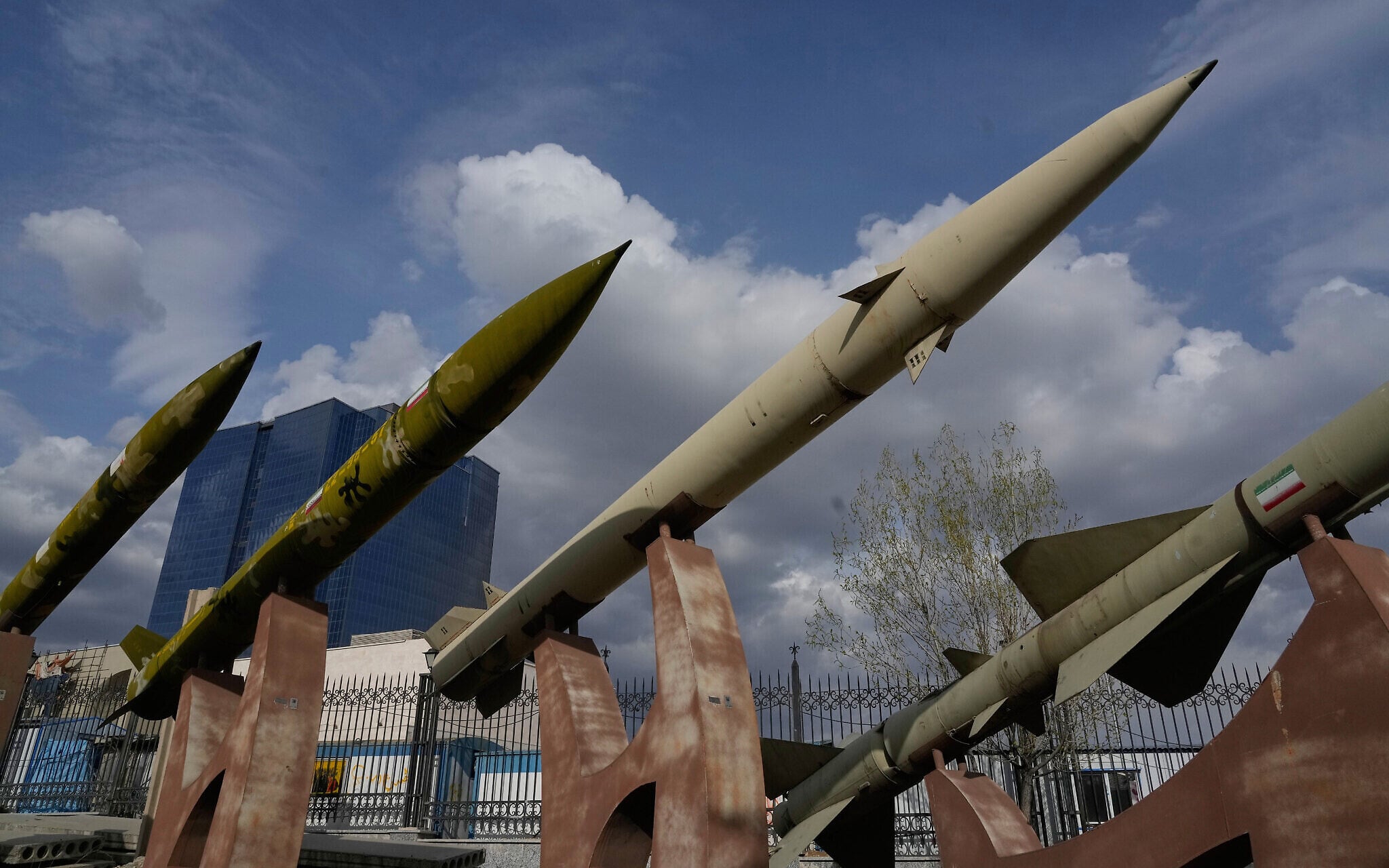
Recent satellite analysis has indicated that Iran is actively working to restore access to several underground missile facilities that were targeted during military engagements in late 2024. These sites, which form a critical component of the nation’s ballistic missile infrastructure, appear to be undergoing rapid remediation, raising questions about the long-term effectiveness of precision strikes on hardened subterranean targets.
As the regional security landscape remains volatile, the visibility of these efforts—often captured through commercial satellite imagery—highlights the persistent challenge of neutralizing deeply buried military assets. While the strategic intent behind the reopening of these entrances remains a subject of intense debate among defense analysts, the physical reality of the activity confirms that the Islamic Republic is prioritizing the functionality of its missile arsenal despite the significant damage sustained during the October 2024 exchange with Israel, as documented by the October 26 retaliatory strikes.
The Strategic Significance of Underground Missile Networks
Iran’s reliance on a vast, decentralized network of underground tunnels and storage bunkers is a cornerstone of its military doctrine. These facilities are designed to protect high-value assets—such as medium-range ballistic missiles—from conventional airstrikes, ensuring that the country maintains a credible deterrent capability even under heavy bombardment. According to assessments by the Center for Strategic and International Studies (CSIS), these sites are often carved deep into mountainous terrain, making them exceptionally difficult to destroy with anything short of specialized bunker-busting munitions.

The recent activity, which observers suggest involves clearing debris and reinforcing structural integrity at multiple locations, suggests that the damage inflicted during the October conflict was localized rather than systemic. By reopening these entrances, Tehran is signaling that it maintains the capacity to mobilize its arsenal relatively quickly, even following a direct strike on its core infrastructure. This resilience is a key factor in the ongoing regional power dynamic, as it complicates the military calculus for adversaries who seek to degrade Iran’s strike capabilities without triggering a wider, uncontrolled conflict.
Analyzing the Limits of Aerial Interdiction
The effectiveness of the October 26 strikes, which targeted military sites across several Iranian provinces, continues to be evaluated by global intelligence agencies. While the operation successfully neutralized specific air defense batteries and production facilities, the ability of Iran to “dig out” these sites underscores the inherent limitations of air power against hardened, subterranean targets. Defense experts note that while a strike can collapse an entrance, the core tunnels often remain intact, allowing for relatively swift recovery efforts once the immediate threat of further bombardment subsides.

The Foundation for Defense of Democracies (FDD) has noted that Iran’s investment in these subterranean networks is a direct response to the technological superiority of its regional rivals. By masking the exact location and status of its missile inventory, Tehran seeks to maintain a “second-strike” capability that remains a primary concern for the international community. The rapid reopening of these sites serves as a reminder that the physical destruction of infrastructure is only one part of a complex, multi-layered security equation.
Regional Security and Future Outlook
The implications of this development extend far beyond the immediate repair of tunnels. As regional tensions persist, the ability of any state to rapidly reconstitute its military capabilities creates a cycle of escalation and counter-escalation. For international observers, the key focus remains on how these reopened sites will be utilized in the coming months. Will they serve as staging grounds for further regional power projection, or are they being fortified as a defensive measure to ward off future operations?
Currently, there is no official timeline for a de-escalation of these specific activities. The international community, led by diplomatic efforts from various global powers, continues to monitor the situation through both intelligence channels and public satellite data. As of the most recent updates, the International Atomic Energy Agency (IAEA) and other monitoring bodies remain focused on the broader implications of Iran’s military and nuclear developments, which often run parallel to these conventional missile infrastructure improvements.
Key Takeaways on Iran’s Missile Infrastructure
- Structural Resilience: Deeply buried missile sites are inherently difficult to permanently disable, often requiring repeated or specialized tactical operations.
- Strategic Deterrence: Iran views these underground networks as vital to maintaining its regional deterrent, regardless of short-term damage.
- Ongoing Monitoring: International intelligence continues to utilize satellite imagery to track the reconstitution of military sites, providing a real-time window into Tehran’s operational priorities.
- Diplomatic Context: The restoration of these sites complicates ongoing efforts to reach a long-term security arrangement in the Middle East.
As we look toward the coming months, the next significant checkpoint will likely involve the next round of regional security discussions or potential shifts in the posture of regional military powers. The situation remains fluid, and we encourage our readers to stay tuned to the World Today Journal for ongoing, verified updates on this developing story. We invite you to share your thoughts in the comments section below as we continue to provide objective analysis on these critical global affairs.
