
In the heart of Paris, where cobblestone streets and grand boulevards have long defined the city’s identity, a growing crisis is reshaping daily life: the relentless heat of summer canicules. While Parisians are known for their resilience, the city’s attic apartments—nicknamed “bouilloires thermiques” (thermal pressure cookers)—are becoming increasingly unbearable during heatwaves. These cramped, often poorly insulated spaces, many with south-facing windows and no shutters, trap heat like ovens, forcing residents to confront a harsh reality: Paris’s housing stock, built for centuries of milder climates, is ill-equipped for the scorching temperatures now becoming the norm.
As Europe grapples with record-breaking heatwaves—June 2026 has already seen temperatures soar past 38°C (100°F) in the Île-de-France region—experts warn that the problem is not just a seasonal inconvenience but a public health and economic challenge. The term “bouilloire thermique” has entered the Parisian lexicon, encapsulating the suffocating conditions in these attic dwellings, where residents describe nights as “sleeping in a sauna” and days as “unlivable without air conditioning.” Yet, despite the urgency, demand for these apartments persists, driven by a mix of affordability, cultural attachment to Parisian living, and a lack of alternatives in a city where housing prices have surged by over 40% in the past decade.
The phenomenon is not new, but its scale and intensity are. Data from the City of Paris and Assistance Publique-Hôpitaux de Paris (AP-HP) reveals a troubling trend: heat-related hospitalizations in the capital have risen by 30% since 2020, with attic residents—particularly the elderly and low-income households—disproportionately affected. “These are not just statistics,” says Dr. Élodie Martin, a climatologist at the French Meteorological Service. “They are people trapped in homes designed for the 19th century, not the 21st.”
Why Are “Bouilloires Thermiques” Still in Demand?
The paradox of Paris’s attic apartments lies in their enduring appeal. For many, these spaces offer affordability, charm, and proximity to the city’s cultural heart. Unlike modern high-rises, they provide a sense of history and community, with shared courtyards and rooftop views that are hard to replicate elsewhere. However, the trade-offs are stark: no insulation, single-glazed windows, and often no access to air conditioning. A 2025 study by the French Environment and Energy Management Agency (ADEME) found that 68% of Parisian attic apartments fail to meet basic thermal comfort standards, even under moderate summer conditions.
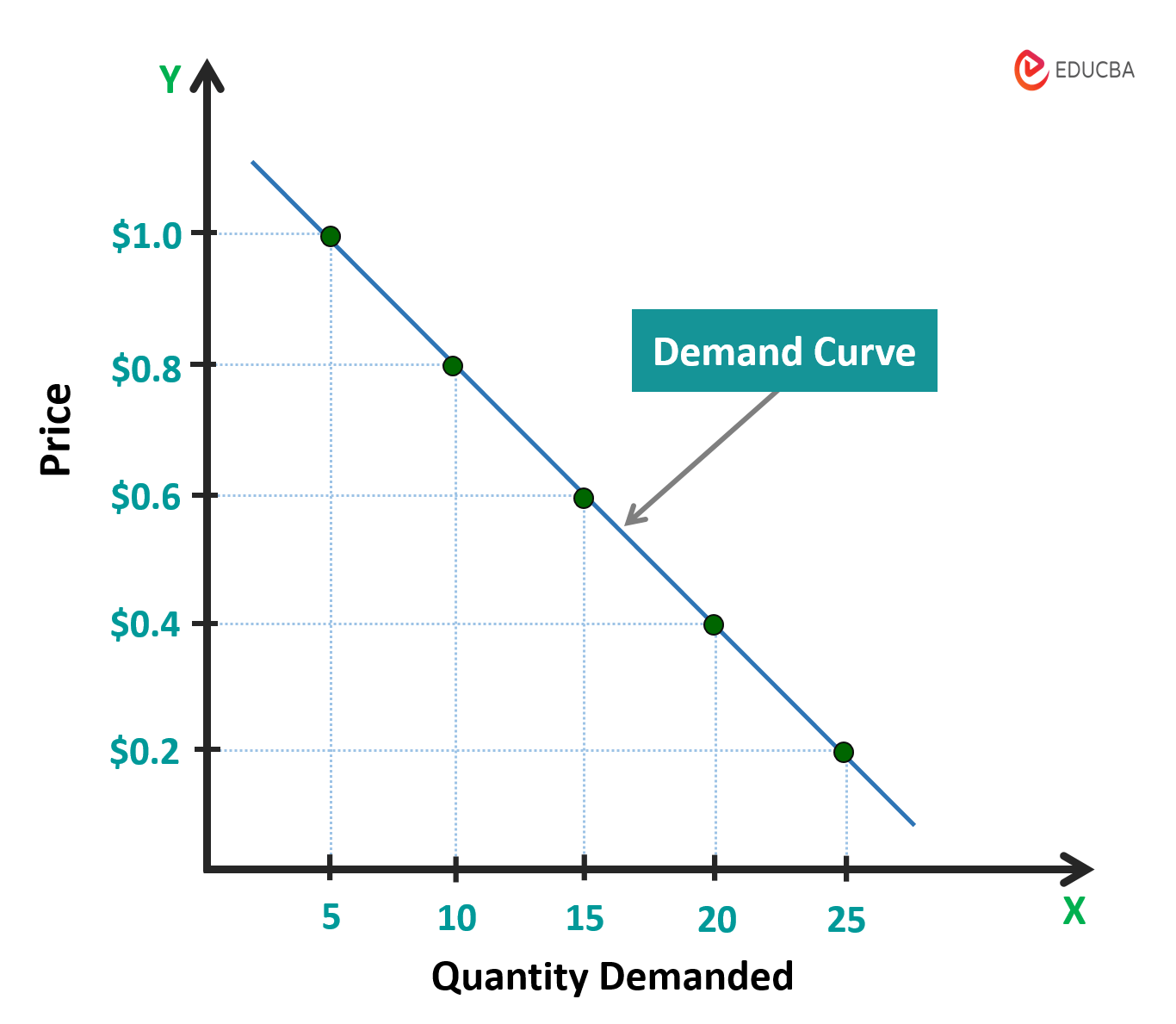
Economically, the situation is a double-edged sword. While rents in these apartments remain lower than in ground-floor or renovated units, the cost of retrofitting—adding insulation, installing shutters, or even basic fans—can exceed €5,000 per unit, a sum many tenants cannot afford. Landlords, meanwhile, face a dilemma: modernize and risk losing long-term tenants to rising rents, or leave properties as-is and face potential legal liabilities as heatwave regulations tighten. “The market is stuck in a loop,” notes Marie Dubois, a real estate analyst at Notaires de France. “Demand hasn’t dropped, but the safety net for residents has either.”
The Human Cost: Who Is Most at Risk?
The impact of these conditions is uneven. Elderly residents, single parents, and low-income households bear the brunt of the heat, with AP-HP data showing that 72% of heat-related emergency admissions in 2025 involved individuals living in attic apartments. The lack of ventilation leads to dehydration, heat exhaustion, and, in extreme cases, heatstroke. “We’ve seen a 45% increase in calls to our heatwave hotline since 2023,” says Sophie Lefèvre, a spokesperson for Samu Urgences de France. “Many of these calls come from people who have no other place to go.”
Cultural factors also play a role. Parisians, particularly older generations, often resist major renovations, viewing them as a betrayal of the city’s historic character. “My grandmother’s apartment has been in the family for 60 years,” says Lucas Moreau, a 32-year-old Parisian who rents an attic space in Montmartre. “She refuses to install shutters—she says it’s not ‘Parisian.’ But last summer, she spent three nights in the hospital.” The tension between tradition and survival is palpable, especially as climate models predict Paris could experience 50+ days of temperatures above 35°C by 2030.
What’s Being Done?
Recognizing the urgency, Parisian officials have begun to act. In 2024, the city launched the “Rénovation Thermique Obligatoire” (Mandatory Thermal Renovation) program, requiring landlords to upgrade insulation in attic apartments by 2028. However, enforcement has been unhurried, and loopholes—such as exemptions for historic buildings—have left many residents in limbo. Meanwhile, non-profits like Secours Populaire have stepped in to distribute free fans and cooling mats, but these are band-aid solutions in a city where systemic change is desperately needed.
At the national level, France’s Ministry of Ecological Transition has pledged €1.2 billion to retrofit vulnerable housing, but critics argue the funds are insufficient and poorly targeted. “We need a Paris-specific plan,” says Claire Delacroix, a climate policy advocate at Greenpeace France. “Attic apartments are a unique challenge—they’re not just about heat, but about preserving a way of life while adapting to a changing climate.”
The Future of Parisian Living
So what does the future hold for Paris’s “bouilloires thermiques”? The answer lies in a delicate balance between preservation and adaptation. Innovative solutions are emerging, such as:
- Community cooling hubs: Temporary air-conditioned spaces in public buildings, like libraries and community centers, where residents can escape the heat.
- Low-cost retrofitting: Pilot programs using reflective paints, external shutters, and solar-powered ventilation fans to cool attics without major renovations.
- Policy shifts: Proposals to incentivize landlords to install certified heat-resistant materials through tax breaks or reduced rent controls.
- Cultural re-education: Campaigns to normalize heat-adaptation measures, framing them as part of Parisian heritage rather than an intrusion.
Yet challenges remain. Funding is scarce, political will fluctuates, and the emotional attachment to Paris’s historic architecture can clash with practical needs. “This isn’t just about fixing buildings,” says architect Jean-Luc Renaud. “It’s about reimagining what Parisian living can be in a hotter world.”
Key Takeaways
- Demand persists: Despite the risks, attic apartments remain popular due to affordability and cultural appeal, creating a market resistant to change.
- Health risks are rising: Heat-related hospitalizations in Paris have surged, with attic residents disproportionately affected.
- Policy gaps exist: While France has committed funds to retrofitting, enforcement and targeting remain inadequate for Paris’s unique challenges.
- Innovation is key: Solutions like community cooling hubs and low-cost retrofitting offer hope but require broader investment and public buy-in.
- The clock is ticking: With climate models predicting more extreme heat, Paris must act now to prevent a humanitarian crisis.
The next critical checkpoint for Paris’s heat adaptation efforts is the 2026 Île-de-France Climate Summit, scheduled for October 15–17, where officials will announce new funding allocations and policy directions for vulnerable housing. In the meantime, residents of “bouilloires thermiques” continue to adapt as best they can—whether by installing DIY cooling solutions, advocating for policy changes, or simply enduring the heat.

As Dr. Martin puts it, “Paris has always been a city of resilience. But resilience isn’t just about enduring—it’s about evolving.” For now, the question remains: Can the city’s iconic attic apartments survive the heat, or will they become a relic of a cooler past?
What are your experiences living or working in Paris’s attic apartments? Share your stories in the comments below, and help us explore how cities can adapt to rising temperatures. For more on climate resilience in urban areas, explore our coverage here.
Keep reading