
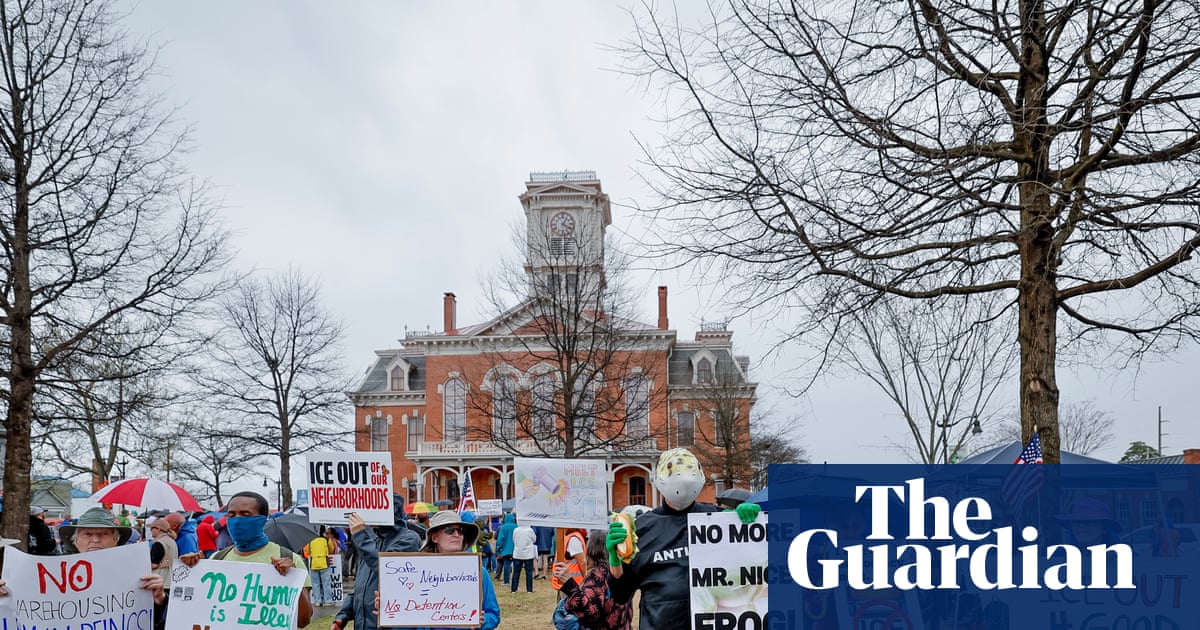
As the administration of President-elect Donald Trump prepares to take office, the intersection of federal immigration enforcement and local land-use authority has emerged as a critical flashpoint. Across the United States, communities are increasingly turning to novel legal strategies to challenge the establishment of large-scale immigration detention facilities. Among these, the movement to use “public nuisance” and zoning litigation to halt the expansion of Immigration and Customs Enforcement (ICE) facilities is currently rewriting the legal playbook for local resistance.
For years, the expansion of detention infrastructure has been viewed primarily through the lens of federal supremacy. However, recent legal maneuvers—particularly in states like Georgia—demonstrate how municipal governments and community groups are leveraging state-level property and health regulations to create significant administrative hurdles for federal contractors. This shift reflects a growing tension between federal immigration policy goals and the autonomy of local jurisdictions concerned about the long-term impact of mega-jails on their regional infrastructure and public resources.
The Legal Pivot: Challenging Federal Infrastructure at the Local Level
The core of this emerging legal strategy lies in the characterization of immigration detention centers not merely as federal installations, but as entities that must adhere to local land-use ordinances and public health standards. In Georgia, local officials and residents have begun to argue that the environmental, traffic, and emergency service burdens imposed by massive detention centers constitute a “public nuisance.” By framing the issue this way, litigants are attempting to bypass the traditional barriers of federal preemption, which often shields federal projects from local zoning oversight.
This approach has garnered attention from legal experts who note that while the federal government maintains broad authority over immigration enforcement, We see not entirely exempt from the localized impacts of its operations. According to the Georgia state government, local municipalities retain significant power to regulate land development to protect the welfare of their residents. Legal challenges in this vein often center on whether the proposed facility complies with environmental impact studies and whether it places an undue burden on local water, sewage, and emergency response systems.
The potential for these challenges to succeed remains a subject of intense debate. Proponents of this strategy argue that by forcing federal agencies to navigate the complexities of local zoning, communities can buy time to organize public opposition and potentially render the projects economically or logistically unfeasible. Critics, however, maintain that federal authority, particularly under the Immigration and Nationality Act, remains robust enough to eventually override local objections, especially regarding the operational mandates of ICE.
The Role of Private Contractors and Public Oversight
A recurring theme in the opposition to new ICE facilities is the record of the private prison companies often contracted to build and operate them. In various states, including Utah and Pennsylvania, community advocates have raised alarms regarding the history of these contractors, citing past reports of substandard medical care, safety violations, and environmental concerns. The U.S. Immigration and Customs Enforcement agency maintains that its detention centers are subject to strict oversight through the Performance-Based National Detention Standards, yet critics argue these internal mechanisms are insufficient to protect the rights of detainees or the interests of the local community.
In Utah, for instance, public discourse has focused on the company-specific history of contractors vying for federal detention bids. Residents and local advocacy groups have utilized public records requests to scrutinize the financial and legal track records of these firms, arguing that the presence of a mega-jail would fundamentally alter the character of their rural or suburban environments. This push for transparency is becoming a hallmark of the movement, with communities demanding that local city councils and county commissions provide more robust public hearings before green-lighting any land-use permits for federal detention projects.
What Happens Next: Key Checkpoints and Official Channels
As the legal landscape continues to evolve, stakeholders on both sides of the issue are looking toward upcoming administrative and judicial milestones. For those tracking the development of these facilities, the most immediate points of action include:
- Public Comment Periods: Most federal projects are subject to the National Environmental Policy Act (NEPA), which requires a period of public comment before final approval. Residents are encouraged to monitor the Federal Register for updates on specific site assessments.
- Zoning Board Hearings: Local municipalities frequently hold public hearings regarding land-use variances. These meetings are often the primary venue for residents to present evidence regarding infrastructure strain, such as traffic congestion or environmental impacts.
- State-Level Litigation: Several ongoing lawsuits are currently pending in state courts, which will likely set precedents for how local zoning laws interact with federal detention expansion in the coming year.
The strategy of using local law to challenge federal mandates is still in its infancy, and its long-term viability remains to be seen. However, the fact that such arguments are being tested in court suggests that the political and legal environment surrounding immigration detention is undergoing a significant shift. For communities across the United States, the fight against mega-jails has become about more than just immigration policy—it has become a test of the limits of local governance in the face of federal expansion.
Jonathan Reed serves as the News Editor at World Today Journal. With over 16 years of experience in investigative reporting, he focuses on the intersection of international policy, domestic governance, and human rights. For more updates on this developing story, follow our coverage on the World Today Journal website. We invite our readers to participate in the conversation by sharing their thoughts in the comments section below.