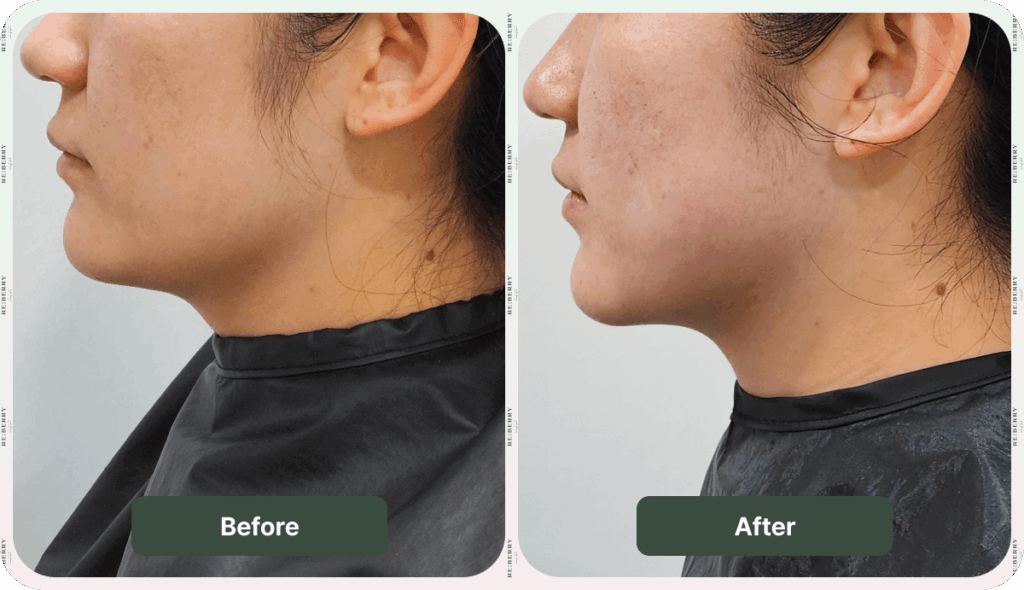
South Korea has long been a global leader in medical tourism, particularly in the realm of advanced aesthetic treatments. Among the most sought-after procedures are non-surgical facial rejuvenation techniques like Ultherapy Prime and ONDA Lift, which promise to tighten skin, refine jawlines, and restore a more youthful contour without invasive surgery. But what does it really mean to pursue these treatments abroad—and how do travelers navigate the process safely and effectively? As medical tourism continues to grow, with South Korea hosting thousands of international patients annually, understanding the clinical consultation process, treatment protocols, and post-care considerations is essential for anyone considering this route.
The allure of South Korea’s aesthetic clinics lies in their reputation for cutting-edge technology, highly trained practitioners, and streamlined patient experiences. Procedures like Ultherapy Prime, an FDA-cleared ultrasound-based treatment, and ONDA Lift, a radiofrequency device designed to stimulate collagen production, have gained traction worldwide. However, the decision to travel for such treatments raises critical questions: Are the clinics properly accredited? What are the risks versus benefits? And how does one ensure a seamless, medically sound experience? For travelers, the journey begins long before stepping into a clinic—with thorough research, careful planning, and a clear understanding of what to expect.
In this guide, we explore the step-by-step process of securing a clinical consultation and treatment plan for non-surgical facial rejuvenation in South Korea, drawing on verified insights from medical tourism experts, regulatory bodies, and patient testimonials. We’ll also address common misconceptions, outline key safety protocols, and provide practical advice for those weighing the option of traveling for aesthetic care.
Why South Korea for Non-Surgical Facial Rejuvenation?
South Korea’s dominance in the global aesthetic market is well-documented. According to a 2023 report by Statista, the country is home to over 10,000 cosmetic clinics, with Seoul alone hosting more than 3,000 specialized facilities. The nation’s expertise in dermatology and plastic surgery, combined with a culture that embraces preventive and non-invasive treatments, has cemented its status as a hub for medical tourism. Procedures like Ultherapy and ONDA Lift are particularly popular due to their minimal downtime and natural-looking results.
Ultherapy Prime, developed by Ulthera, uses focused ultrasound energy to lift and tighten skin by stimulating collagen production. We see approved by the U.S. Food and Drug Administration (FDA) for the brow, chin, and neck, and its efficacy has been supported by clinical studies showing improvements in skin laxity and contouring. Similarly, ONDA Lift, a radiofrequency-based device, targets deeper layers of the skin to promote remodeling, often used for jawline definition and submental fat reduction.
For international patients, the appeal extends beyond technology. South Korea’s clinics often offer:
- Multilingual staff and translators for seamless communication.
- All-inclusive packages covering consultations, treatments, and post-care.
- State-of-the-art facilities with international certifications (e.g., ISO, JCI).
- Short recovery periods, allowing patients to return home quickly.
However, not all clinics meet the same standards. The Korean Ministry of Health and Welfare regulates aesthetic practices, but enforcement varies. Patients must verify that their chosen clinic is accredited by recognized bodies such as the Joint Commission International (JCI) or adheres to Korean medical tourism guidelines.
Step 1: Researching and Selecting a Clinic
The first and most critical step is selecting a reputable clinic. With thousands of options, travelers should prioritize facilities that:

- Employ board-certified dermatologists or plastic surgeons with experience in non-surgical treatments.
- Use FDA-approved or CE-marked devices (e.g., Ultherapy Prime, ONDA Lift).
- Provide before-and-after photos of previous patients (with consent) to demonstrate realistic outcomes.
- Offer virtual consultations to assess suitability before travel.
Platforms like Medical Tourism Corporation and Hello Korea curate lists of vetted clinics, though independent verification is always recommended. Patients should also check reviews on platforms like RealSelf or Trustpilot, focusing on comments from international travelers.
Red flags include:
- Clinics that guarantee unrealistic results (e.g., “perfect jawline in one session”).
- Lack of transparency about costs, risks, or recovery time.
- Pressure to commit without thorough consultations.
Step 2: The Clinical Consultation Process
A reputable clinic will begin with a comprehensive consultation, often conducted in person or via video call. This step is non-negotiable and serves multiple purposes:
- Assessing Suitability: Not all patients are ideal candidates for Ultherapy or ONDA Lift. Factors such as skin type, elasticity, and underlying conditions (e.g., rosacea, severe scarring) may disqualify someone from these treatments. A dermatologist will evaluate your goals and medical history.
- Customizing the Treatment Plan: No two faces are identical. A skilled practitioner will design a personalized protocol, including the number of sessions, energy levels, and target areas (e.g., jawline, submental region).
- Explaining Risks and Side Effects: While Ultherapy and ONDA Lift are generally safe, potential side effects include temporary swelling, bruising, or numbness. The consultant should outline these clearly and discuss how to manage them.
- Discussing Costs and Packages: Prices vary widely—Ultherapy Prime can range from $1,500 to $3,000 per session in South Korea, while ONDA Lift may cost between $1,000 and $2,500. Some clinics offer bundled treatments or discounts for multiple sessions.
During this phase, patients should ask:
- “What are the qualifications of the practitioner performing the procedure?”
- “How many sessions are typically required, and what is the recommended spacing between them?”
- “Are there any post-treatment restrictions (e.g., avoiding sun exposure, strenuous activity)?”
- “What aftercare support is provided, including follow-up consultations?”
Key Takeaway: A thorough consultation is not just a formality—it’s the foundation of a safe and effective treatment plan. Patients should never feel rushed or pressured to proceed without full clarity.
Step 3: Understanding the Treatment Process
Once a plan is finalized, the actual treatment is relatively quick and minimally invasive. Here’s what to expect:
Ultherapy Prime
Ultherapy Prime sessions typically last 60–90 minutes. The practitioner applies a gel to the treatment area and uses a handheld device to deliver ultrasound energy to targeted depths beneath the skin. Patients may feel mild tingling or warmth, but anesthesia is usually unnecessary. Results gradually appear over 2–3 months as collagen production increases.
ONDA Lift
ONDA Lift involves the use of a radiofrequency device that heats deeper layers of the skin. The procedure is similarly quick, with some patients reporting a mild heating sensation. Like Ultherapy, results are cumulative and may take several weeks to become fully visible.
Both treatments require little to no downtime, allowing patients to resume normal activities immediately. However, some clinics recommend avoiding intense sun exposure, saunas, or alcohol for 48 hours post-treatment to minimize swelling.
It’s important to note that while these procedures are non-surgical, they are not “lunchable” solutions. Multiple sessions are often needed for optimal results, and maintenance treatments may be required every 1–2 years to sustain outcomes.
Step 4: Post-Treatment Care and Follow-Up
Proper aftercare is crucial for maximizing results and minimizing risks. Clinics should provide detailed instructions, which may include:
- Avoiding direct sunlight and using broad-spectrum SPF 30+ sunscreen.
- Applying ice packs to reduce swelling for the first 24 hours.
- Staying hydrated and maintaining a healthy diet to support skin healing.
- Attending follow-up appointments to monitor progress and address any concerns.
Patients should also be aware of potential complications, such as:
- Persistent swelling or bruising (rare, but possible).
- Asymmetry or uneven results if the treatment is not performed uniformly.
- Allergic reactions to gels or devices (extremely rare).
In the event of adverse reactions, patients should contact their clinic immediately or seek local medical attention. South Korea’s clinics are generally equipped to handle minor complications, but having a basic understanding of emergency contacts (e.g., 119 Emergency Medical Service) is prudent.
Step 5: Legal and Safety Considerations for Travelers
Traveling for medical procedures involves unique legal and safety considerations. Here’s what international patients should know:
Medical Tourism Insurance: Standard travel insurance often does not cover medical treatments abroad. Patients should purchase specialized medical tourism insurance that includes:
- Coverage for complications or emergencies.
- Reimbursement for non-refundable deposits if the clinic cancels.
- Assistance with repatriation if needed.
Providers like Medjet Assist or International Medical Services offer tailored plans for aesthetic procedures.
Regulatory Compliance: While South Korea has robust medical regulations, patients should ensure their chosen clinic complies with both Korean and international standards. The World Health Organization (WHO) provides guidelines for safe medical tourism, emphasizing the importance of pre-screening and informed consent.
Visa and Logistics: Many South Korean clinics assist with visa applications (e.g., the C-3 visa for medical treatment), but patients should confirm this in advance. Arranging accommodations near the clinic and planning travel around recovery time is essential.
Real Patient Experiences: What to Expect
To provide a balanced perspective, we spoke with several international patients who underwent Ultherapy or ONDA Lift in South Korea. While individual experiences vary, common themes emerged:

“I chose South Korea because of its reputation for precision and safety. My consultation was thorough, and the practitioner took the time to explain every step. The procedure itself was quick, and I had minimal downtime. My jawline looked more defined after three sessions, and I’ve been highly happy with the results.”
— Maria L., New York, Ultherapy Prime patient
“I was initially nervous about traveling for a cosmetic procedure, but the clinic’s English-speaking staff made everything seamless. The ONDA Lift reduced my double chin noticeably, and the recovery was smooth. Just be prepared for some swelling—it’s normal!”
— James K., London, ONDA Lift patient
While most patients report positive outcomes, it’s important to approach these treatments with realistic expectations. Results are subtle and progressive, and individual anatomy plays a significant role in the final outcome.
Alternatives and Complementary Treatments
For those considering non-surgical facial rejuvenation, other options include:
- Thread Lifts: A minimally invasive procedure using dissolvable threads to lift sagging skin.
- Laser Resurfacing: Uses laser energy to stimulate collagen and improve skin texture.
- Fillers (Hyaluronic Acid): Temporary injections to restore volume and definition.
- Microneedling: Stimulates collagen through controlled skin injuries.
Some clinics in South Korea offer combination treatments, such as pairing Ultherapy with radiofrequency or laser therapy for enhanced results. Patients should discuss these options during their consultation to determine the best approach for their goals.
What’s Next: Staying Informed and Prepared
The landscape of non-surgical aesthetic treatments is evolving rapidly, with new technologies and protocols emerging regularly. For those planning to travel to South Korea for Ultherapy or ONDA Lift, the following resources can help stay informed:
- Korean Ministry of Food and Drug Safety (for device approvals and safety alerts).
- WHO Medical Tourism Guidelines.
- International Society of Aesthetic Plastic Surgery (ISAPS) for global treatment standards.
- Clinic websites and patient review platforms for real-time updates.
The next major development in this field may come from advancements in AI-driven diagnostics or personalized treatment protocols. Clinics in South Korea are at the forefront of adopting such innovations, so patients are encouraged to inquire about cutting-edge options during consultations.
Final Considerations: Is Traveling for Aesthetic Treatments Right for You?
Traveling to South Korea for non-surgical facial rejuvenation can be a rewarding experience for those seeking high-quality care and innovative treatments. However, it requires careful planning, thorough research, and open communication with healthcare providers. By prioritizing accredited clinics, understanding the risks and benefits, and preparing for the logistical aspects of medical travel, patients can make informed decisions that align with their aesthetic goals and safety needs.
If you’re considering this route, start by scheduling a virtual consultation with a reputable clinic. Ask detailed questions, review patient testimonials, and ensure your insurance coverage is adequate. With the right preparation, your journey to a refreshed, rejuvenated appearance can be both safe and transformative.
Have you traveled for aesthetic treatments? Share your experiences and tips in the comments below—or reach out with questions about navigating this process. For more insights on medical tourism and health innovations, explore our Health section.
Worth a look