
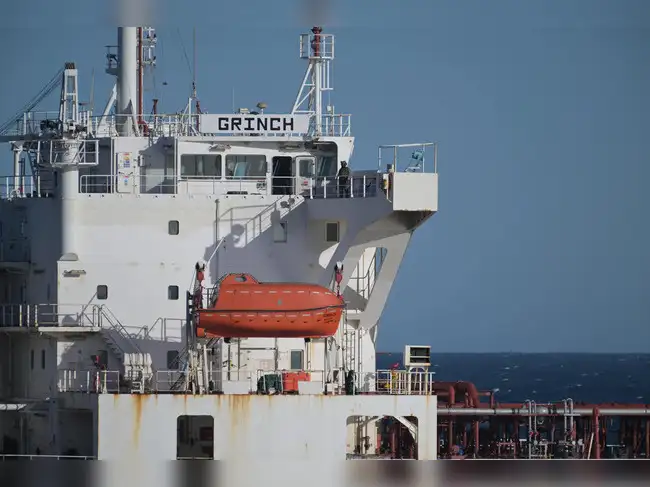
French naval forces have intercepted a tanker in the Mediterranean Sea suspected of participating in a sanctioned Russian “shadow fleet” operation. The interception, which occurred in the Western Mediterranean, marks a significant escalation in efforts to enforce international sanctions imposed on Moscow following the invasion of Ukraine. French President Emmanuel Macron confirmed the operation, highlighting the ongoing international commitment to curtailing illicit oil shipments that bypass global trade restrictions.
According to the French maritime authorities for the Mediterranean, the vessel, identified as the Deyna, was intercepted after concerns were raised regarding the validity of its flag designation. The ship was reportedly flying the flag of Mozambique and was traveling from the Russian port of Murmansk when it was boarded by French forces. This tactical operation was supported by allied nations, including the United Kingdom, which played a key role in monitoring the vessel’s movements prior to the intervention.
Enforcing International Sanctions
The interception of the Deyna is part of a broader, coordinated effort by Western nations to disrupt the shadow fleet—a network of tankers often operating with opaque ownership structures and false documentation to transport Russian oil. By circumventing established maritime regulations and sanctions, these vessels aim to sustain Russian export revenue despite the restrictive measures implemented by the European Union and other international partners.

French maritime authorities noted that the documents discovered onboard the Deyna during the boarding process confirmed initial suspicions regarding the vessel’s registration. Following the interception, the tanker was diverted and escorted by the French navy to a designated anchorage point to facilitate further inspections. The maritime authorities have since referred the case to a prosecutor in the port of Marseille for a formal legal review.
A Strategic Response to Maritime Evasion
This incident is not an isolated event but rather a continuation of France’s active role in maritime security and sanctions enforcement. In September 2025, French naval forces similarly boarded an oil tanker off the Atlantic coast, an action that President Macron also linked to the efforts to dismantle the Russian shadow fleet. These operations underscore the complexities of monitoring international waters, where vessels frequently employ deceptive practices to mask their origins and cargo.
The use of the “shadow fleet” terminology by President Macron reflects a growing concern among EU leaders regarding the effectiveness of current sanctions. As international pressure remains fixed on curbing Russia’s ability to fund its military operations through energy exports, the role of naval intelligence and inter-agency cooperation among allies has become increasingly central to maintaining the integrity of these economic measures.
What Happens Next
The Deyna remains under the supervision of French authorities as the investigation proceeds. The referral of the case to the prosecutor in Marseille indicates that legal proceedings will likely focus on the vessel’s documentation and potential violations of international maritime law. Further updates on the status of the ship and the findings of the investigation are expected to be released through official channels of the French maritime authorities.
We will continue to follow this investigation as more details emerge regarding the legal implications for the vessel’s operators and the broader impact on sanctioned maritime trade routes. We invite our readers to share their thoughts or analysis on the evolving landscape of international sanctions in the comments section below.
Worth a look
- Discover Mont-Saint-Michel: A Complete Visitor’s Guide
- Todd Blanche Secures Key GOP Support for Attorney General After Anti-Weaponization Fund Deal
- Odesa Attack: 13 Injured as Russian Strike Hits Transport Infrastructure (time.news)
- Russian Military Bloggers Report Heavy Casualties And Low Life Expectancy For New Recruits (newsdirectory3.com)