
As a journalist who has spent over 14 years covering the intersection of global trade and domestic living, I have observed a consistent trend among gardeners worldwide: the enduring preference for ceramic plant pots. Whether in the compact urban balconies of Sofia or the sprawling estates of the English countryside, the choice of container is never merely about aesthetics. It is a decision that balances plant physiology, regional climate, and long-term environmental impact.
The use of ceramic plant pots in modern gardening has evolved from a traditional necessity to a sophisticated design choice. Unlike synthetic alternatives, ceramic—often crafted from kiln-fired clay—offers a unique combination of structural integrity and breathability. For the modern gardener, understanding why these vessels remain a gold standard requires a look at how they interact with soil moisture and root health.
The Science of Porosity and Root Health
At the heart of the ceramic pot’s appeal is its porous nature. Unlike plastic or glazed resin containers, unglazed terracotta or ceramic pots allow for a process known as gas exchange. This permeability permits air to penetrate the walls of the pot, delivering oxygen directly to the root zone—a critical component for plant respiration. According to horticultural research conducted by the University of Minnesota Extension, proper aeration is vital to prevent anaerobic conditions, which can lead to root rot and other fungal pathogens.
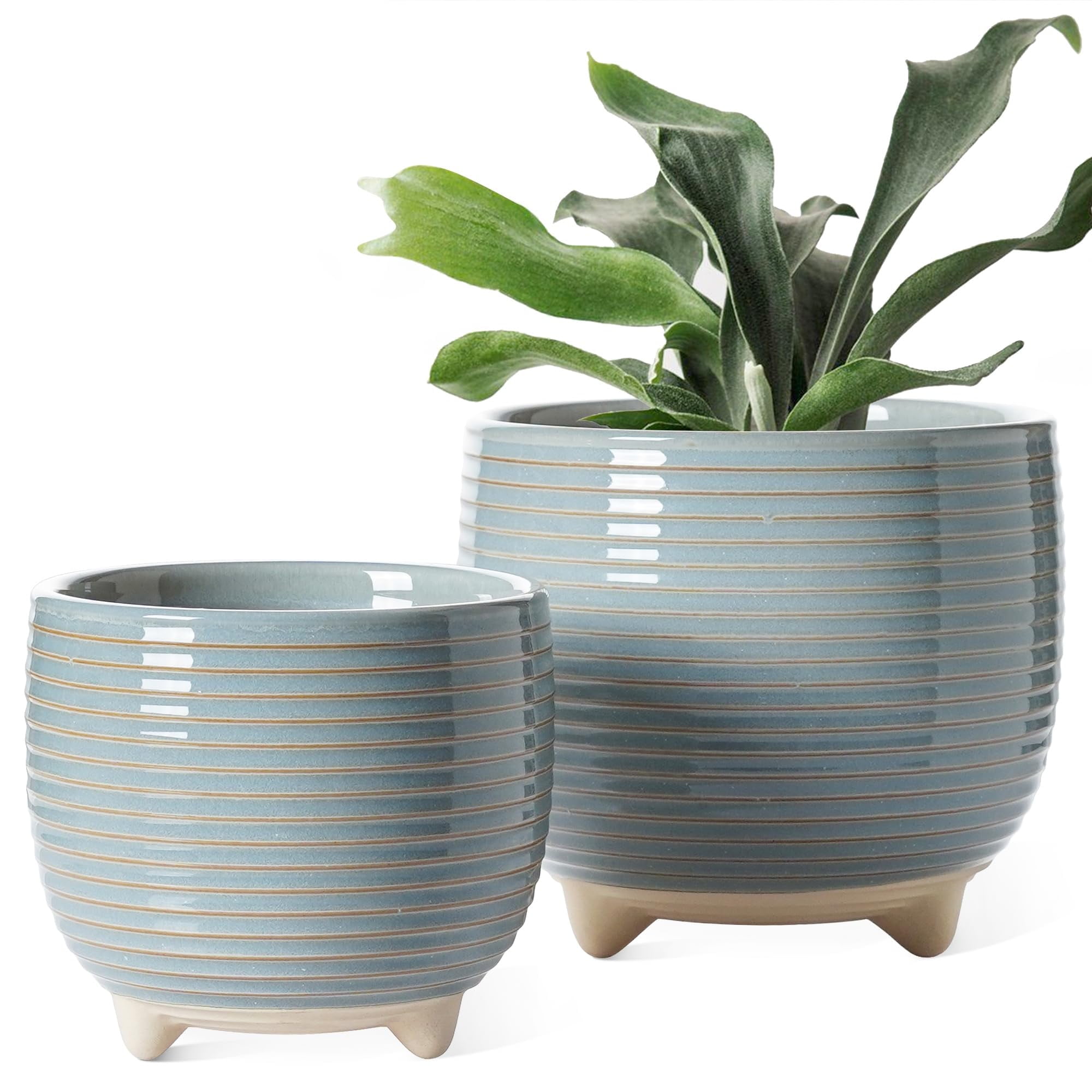
the porous walls act as a natural moisture regulator. As fluid migrates through the walls of the vessel, it facilitates a cooling effect through evaporation, which helps stabilize soil temperatures during the intense heat of summer. This is particularly beneficial for plants that require well-draining soil, such as succulents, cacti, and Mediterranean herbs like rosemary or thyme. By avoiding the waterlogging common in non-porous containers, gardeners can significantly reduce the risk of root suffocation.
Design Versatility and Architectural Stability
Beyond their biological benefits, ceramic pots provide a level of architectural weight that plastic containers often lack. In regions prone to high winds, the mass of a large ceramic vessel serves as a reliable anchor, preventing plants from tipping over and suffering mechanical damage. This stability makes them an essential tool for landscapers designing rooftop gardens or exposed terraces where environmental stressors are constant.
Aesthetically, the diversity of the ceramic medium is virtually unmatched. From the rustic, earth-toned charm of unglazed clay to the sleek, high-gloss finishes of fired stoneware, these pots can be integrated into almost any design scheme. The Royal Horticultural Society (RHS) notes that the choice of container finish can impact the heat absorption of the root ball; darker, opaque finishes will naturally absorb more solar radiation, a factor that should be weighed against the specific light requirements of the plant species being housed.
Durability and Environmental Considerations
In an era increasingly focused on sustainable living, the longevity of gardening equipment has moved to the forefront of the conversation. High-quality ceramic pots, when fired at sufficient temperatures, exhibit remarkable resistance to ultraviolet (UV) degradation—a common failure point for cheaper, mass-produced plastic pots, which can become brittle and crack under prolonged sun exposure. While ceramic can be susceptible to frost-cracking in extreme sub-zero climates, high-fired stoneware is often engineered to withstand significant temperature fluctuations, making it a sound long-term investment for the garden.
From an environmental standpoint, ceramic pots are viewed as a more sustainable alternative to plastic. While plastic pots are often recyclable, the reality of global waste management remains complex. Ceramic vessels, being derived from natural clay, offer a biodegradable profile at the end of their lifecycle, avoiding the long-term contribution to microplastic pollution. For the environmentally conscious gardener, choosing a durable ceramic piece is a step toward reducing the “throwaway” culture that has historically plagued the horticulture industry.
Maintenance and Long-Term Care
Maintaining the beauty and functionality of ceramic pots is relatively straightforward, provided one understands the chemical interactions occurring at the surface. Over time, mineral deposits—often white or crusty residues—may accumulate on the exterior of the pot due to the evaporation of hard water. These deposits are harmless to the plant but can detract from the pot’s visual appeal.
A simple solution of white vinegar diluted with water is typically sufficient to clean the surface. It is important to avoid harsh chemical cleaners that could leave residues harmful to the soil microbiome. When handling these pots, particularly larger ones, care should be taken to avoid impact; while ceramic is durable against the elements, it remains brittle and susceptible to fracturing under blunt force. Proper storage during the peak of winter in frost-prone regions can further extend the lifespan of your collection.
Strategic Selection for Your Space
Choosing the right ceramic pot requires an assessment of both the plant’s needs and the environmental conditions of the site. When selecting a container, consider the following:
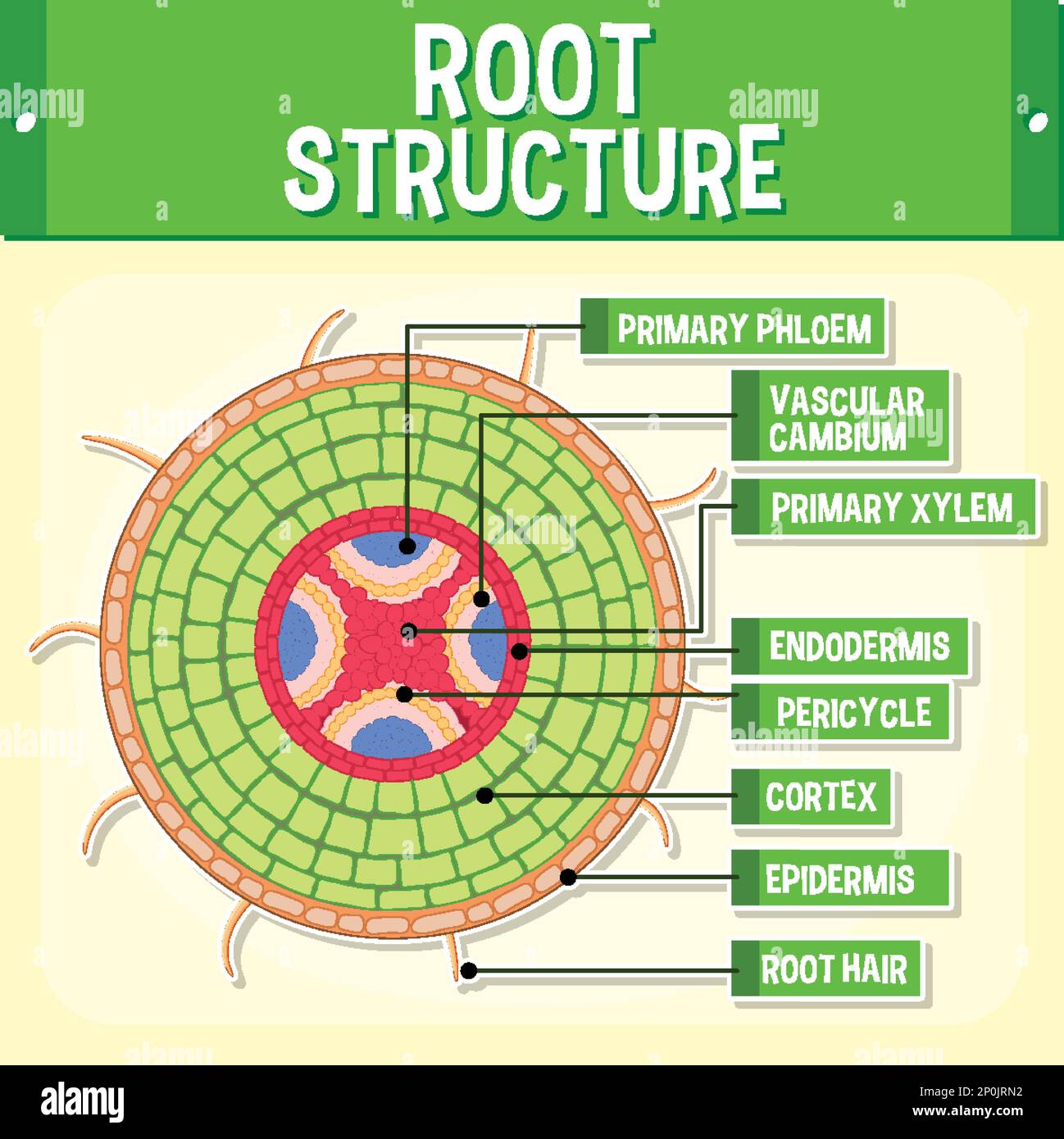
- Root Structure: Deep-rooted plants, such as ornamental trees or shrubs, require pots with significant vertical depth to allow for healthy development.
- Drainage: Always ensure the pot features a drainage hole. If a decorative pot lacks one, it is best used as a “cachepot,” housing a smaller, draining plastic liner inside to prevent water accumulation at the base.
- Placement: Consider the weight of the pot when filled with moist soil. For balcony gardening, ensure your structure can support the combined weight of the ceramic vessel, the soil, and the plant.
While the initial cost of high-quality ceramic may be higher than synthetic alternatives, the long-term value is undeniable. A well-maintained ceramic pot can serve a garden for decades, outlasting multiple generations of plants and providing a consistent, elegant aesthetic that plastic or wood simply cannot replicate.
As we continue to navigate the challenges of modern gardening, the timelessness of ceramic remains a testament to the value of choosing quality materials over convenience. Whether you are a novice enthusiast or a seasoned landscape designer, integrating these vessels into your space offers a harmonious blend of functionality and style. I invite you to share your own experiences with ceramic containers—how have they changed the way you approach your garden layout? Please join the discussion in the comments section below.
Related reading