
The global race toward a carbon-neutral future is hitting a significant roadblock on the Mediterranean island of Sardinia. As nations scramble to meet ambitious climate goals, the push for industrial-scale renewable energy projects—specifically massive wind and solar farms—has sparked a fierce, island-wide movement. For many Sardinians, this is not a rejection of clean energy, but a firm stand against a perceived pattern of external exploitation that echoes centuries of history.
The resistance to the renewable energy transition in Sardinia has evolved from localized protests into a structured political force. In 2024, a significant portion of the island’s electorate mobilized to support a popular legislative initiative aimed at strictly regulating, and in some cases banning, the unchecked construction of industrial-scale renewable energy plants. According to reports from the Autonomous Region of Sardinia, the debate centers on the preservation of the island’s landscape, cultural heritage, and the autonomy of its local communities in the face of national energy policy mandates.
The Historical Context of Sardinian Resistance
To understand why the transition to renewables has met such profound antipathy in Sardinia, one must look beyond the immediate logistics of power generation. The island, which became an autonomous region of Italy in 1948, holds a distinct identity shaped by a long history of external governance. From the Phoenicians to the Romans, and through centuries of Spanish and Italian influence, Sardinians have frequently seen their land used for the benefit of distant powers. This historical memory is a critical factor in how current energy policies are perceived.

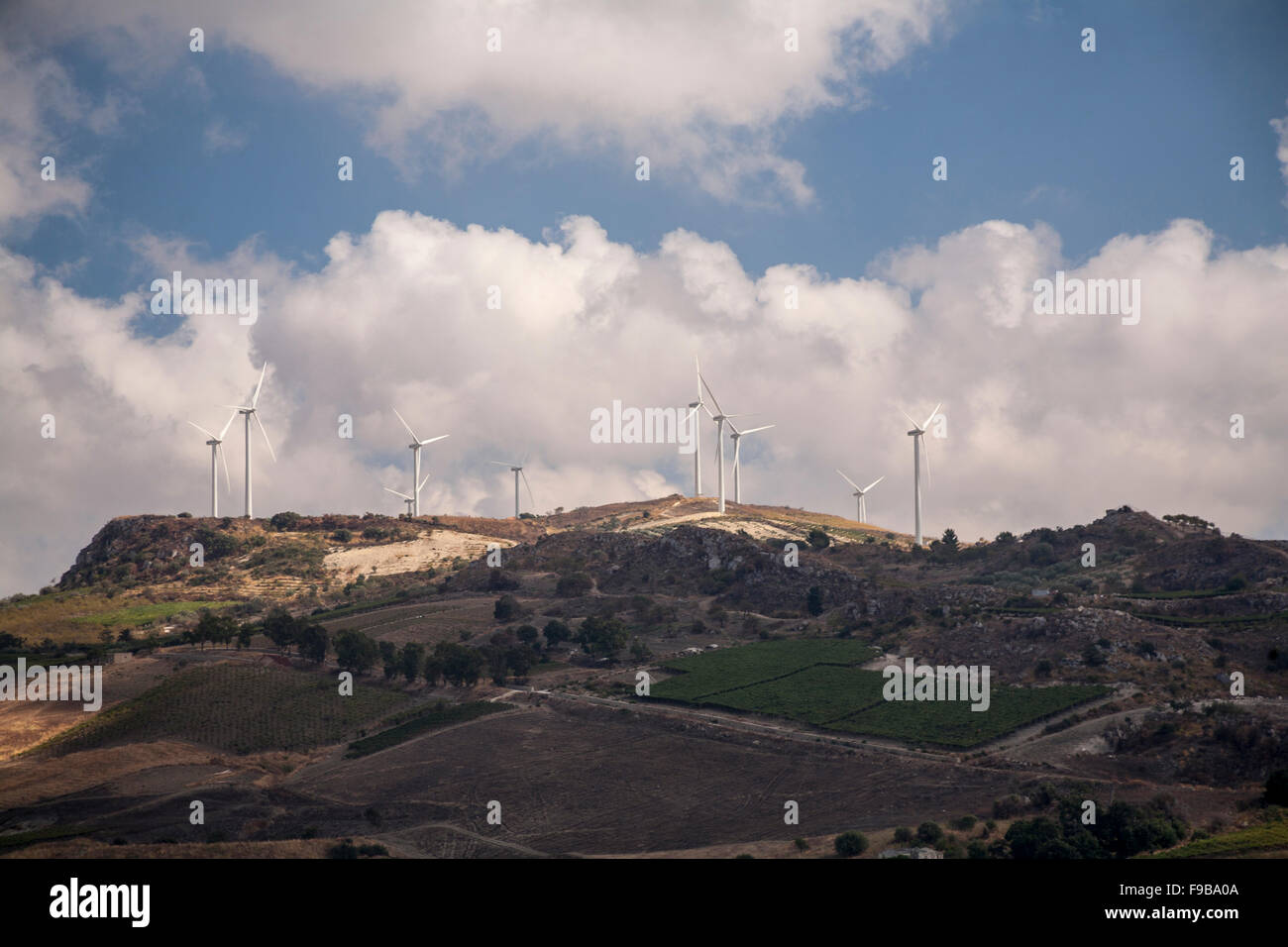
The Italian government’s current strategy relies heavily on the “National Integrated Energy and Climate Plan” (PNIEC), which designates significant areas of the country for renewable energy deployment to reach EU-mandated carbon targets. For many residents, the push to turn the island into an energy hub—despite it already being a net exporter of electricity—is viewed as a continuation of historical resource extraction. Data from Terna, Italy’s national grid operator, confirms that Sardinia has long played a vital role in the national energy mix, often producing more power than its internal consumption requires, which adds a layer of complexity to the argument for further industrial expansion.
Beyond “Not In My Backyard”
The “Not In My Backyard” (NIMBY) label is often used by policymakers to dismiss local opposition, but experts argue this framing is fundamentally flawed in the Sardinian context. The movement here is not driven by climate change denial; rather, it is a sophisticated critique of centralized planning that fails to consult the host population. Residents and local activists argue that large-scale wind and solar projects threaten the island’s tourism-based economy and its unique biodiversity.
Instead of top-down mandates, there is a growing interest in “energy communities.” These are decentralized, grassroots initiatives where local residents, businesses, and municipalities collaborate to generate and manage their own power. There are currently dozens of these community-led projects at various stages of development across the island. By focusing on local needs rather than the requirements of national grid operators, these projects demonstrate that the transition to renewables can be achieved through consensus rather than coercion.
Key Takeaways: The Sardinian Energy Debate
- Autonomy and Governance: The conflict highlights a recurring tension between national climate mandates and regional self-determination within Italy’s autonomous regions.
- Energy Sovereignty: Many residents argue that the island should prioritize local self-sufficiency and the protection of its landscape over serving as a power plant for the Italian mainland.
- The Grassroots Alternative: The success of community-managed energy cooperatives suggests a potential blueprint for other regions struggling with the transition to green energy.
- Historical Impact: The collective memory of past occupations continues to shape the contemporary response to any project perceived as an imposition from Rome.
A Blueprint for Future Transitions
The situation in Sardinia serves as a cautionary tale for policymakers worldwide. Whether in rural Europe, the Asia-Pacific region, or sub-Saharan Africa, the success of the green transition depends on the social license to operate. When projects are perceived as an infringement on local sovereignty, they face delays, legal challenges, and public backlash, regardless of their environmental benefits.
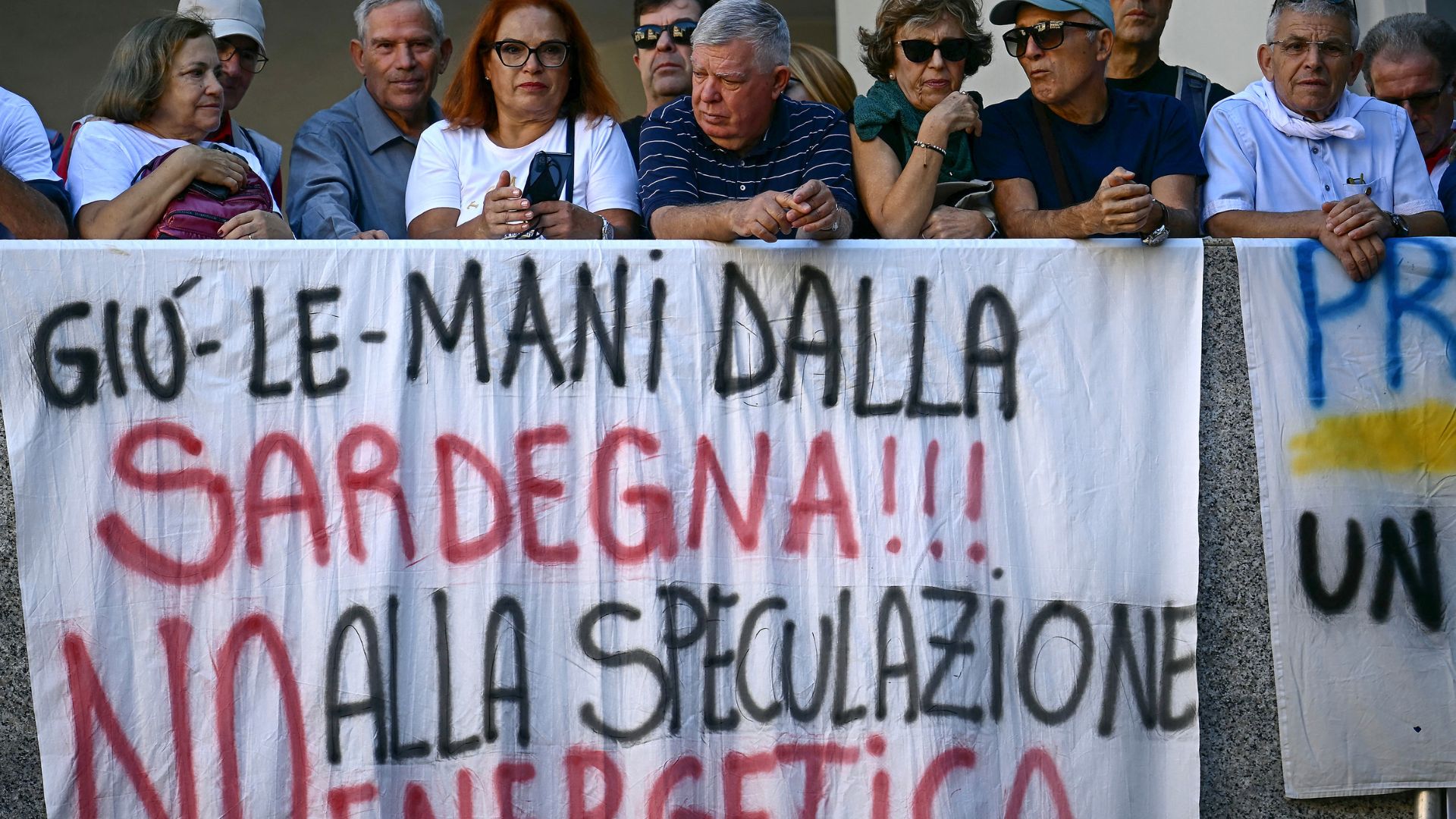
Moving forward, the Italian government is tasked with reconciling its climate commitments with the constitutional rights of the Sardinian people. The Italian Parliament continues to navigate the complexities of regional versus national authority regarding energy infrastructure. For the energy sector, the lesson is clear: meaningful engagement must occur long before the first turbine is planned. True progress requires meeting local populations where they are, respecting their history, and integrating their voices into the development process.
As the regional government in Cagliari continues to deliberate on the legal frameworks for renewable energy zoning, stakeholders are awaiting further guidance on how the national government plans to balance its PNIEC goals with local demands for a more balanced, community-focused approach. For those tracking these developments, the regional official portal provides the most accurate updates on upcoming legislative sessions and public consultations.
What are your thoughts on balancing national climate goals with local community autonomy? Join the conversation in the comments below or share this article to help spread awareness of the complexities of the global energy transition.