
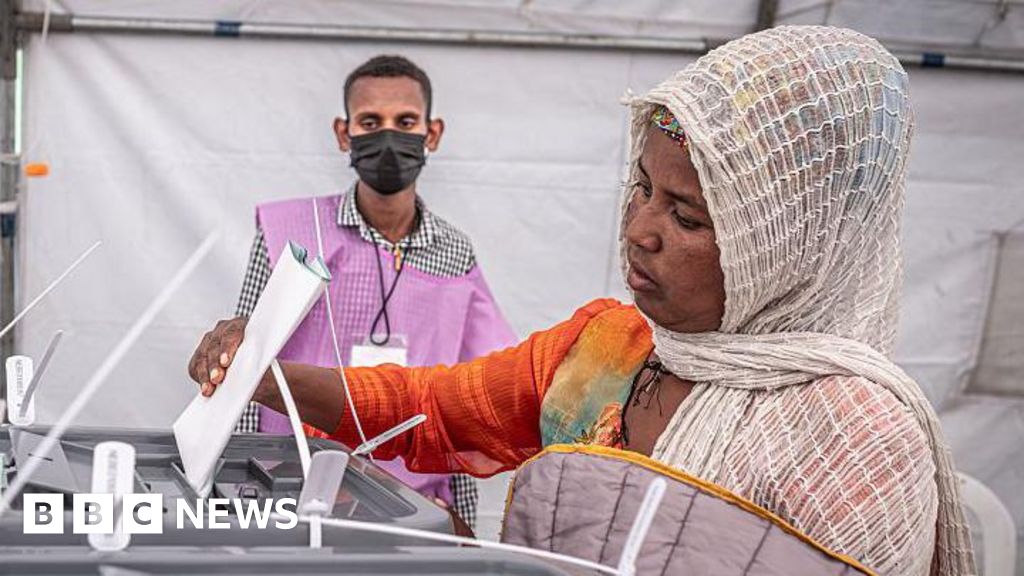
The democratic landscape of Ethiopia faces significant turbulence as electoral authorities confirm that voting has been suspended in several regions due to ongoing security concerns. For millions of citizens, the promise of a peaceful transition and the exercise of their franchise remain overshadowed by localized violence, ethnic tensions, and logistical hurdles that continue to challenge the federal government’s stability.
The National Election Board of Ethiopia (NEBE) has cited persistent insecurity as the primary catalyst for the delay of polls in specific constituencies. These suspensions highlight the fragile state of the nation as it attempts to navigate a complex political environment, with Prime Minister Abiy Ahmed’s Prosperity Party widely expected to maintain its grip on power despite the climate of uncertainty surrounding the electoral process.
Electoral Disruptions Amid Security Challenges
The decision to postpone voting in affected areas is a direct response to reports of instability that threaten the safety of voters and election officials alike. In many instances, the government has struggled to maintain order, with various regional conflicts complicating the deployment of polling materials and the presence of security personnel. According to data provided by the Human Rights Watch, the broader context of these elections is defined by a decade of shifting regional dynamics and internal displacement, which have significantly hindered the ability of the state to conduct uniform, nationwide balloting.
.jpg/960px-Prime_Minister_of_Ethiopia_Abiy_Ahmed_Ali_(cropped).jpg "Abiy Ahmed Ethiopia")
The government maintains that the suspensions are a temporary measure intended to ensure that when the vote does take place, it meets the standards of security necessary for a credible outcome. However, critics and international observers have raised concerns regarding the inclusivity of the process. When large swaths of the electorate are excluded—even temporarily—the legitimacy of the final tally is frequently called into question by both local opposition groups and external stakeholders.
The Political Landscape: Prosperity Party and Opposition Dynamics
Prime Minister Abiy Ahmed, who rose to international prominence following his 2019 Nobel Peace Prize win, is currently steering a nation that looks vastly different from the one he inherited. His party, the Prosperity Party, has consolidated significant control over the political apparatus. Analysts note that while the party is expected to dominate the legislative results, the lack of a robust, unified opposition in the suspended regions creates a vacuum that could exacerbate future grievances.
The 2021 general elections, which served as a precursor to the current political climate, were similarly marked by significant delays in regions such as Tigray, where conflict rendered voting impossible for a substantial portion of the population. The persistence of these logistical and security-driven barriers suggests that the structural issues within Ethiopia’s electoral framework remain largely unaddressed.
Key Factors Influencing Voter Participation
- Internal Displacement: Millions of citizens remain displaced due to ethnic and regional violence, making voter registration and polling station access nearly impossible in certain districts.
- Security Infrastructure: The deployment of federal forces in contested regions often creates a climate of intimidation rather than security, according to reports from international civil society organizations.
- Logistical Constraints: The National Election Board has frequently cited difficulties in transporting ballot papers and training staff in areas where infrastructure has been damaged by conflict.
What Happens Next: Monitoring the Path Forward
The immediate future of Ethiopia’s electoral calendar remains fluid. The National Election Board of Ethiopia is the sole authority responsible for announcing rescheduled dates for the suspended polls. Citizens and international observers are advised to monitor the official NEBE web portal for updates regarding polling station status and updated electoral timelines.
For the international community, the focus remains on whether the government can foster an environment conducive to genuine political participation. As the situation evolves, the primary checkpoint for observers will be the publication of any new mandates or administrative orders from the election board regarding the finalization of the ballot. The resilience of Ethiopia’s democratic institutions will likely be measured not just by the results of the vote, but by the ability of the state to bridge the divide between its diverse populations and ensure that every eligible citizen is eventually granted the right to cast their ballot.
We invite our readers to join the conversation. How do you view the balance between security imperatives and the right to vote in developing democracies? Share your thoughts in the comments section below.