
U.S.-Iran Escalation: Strikes Continue as Diplomatic Breakthrough Remains Elusive
The United States and Iran have exchanged military strikes over the past 72 hours, deepening concerns that diplomatic efforts to end their prolonged conflict are at a critical impasse. While both sides claim their actions are defensive, regional analysts warn the exchanges risk spiraling into a broader confrontation that could destabilize global energy markets and trigger humanitarian crises in neighboring countries. With no clear end in sight to the violence, mediators are scrambling to revive stalled negotiations as tensions reach their highest point since October 2023.
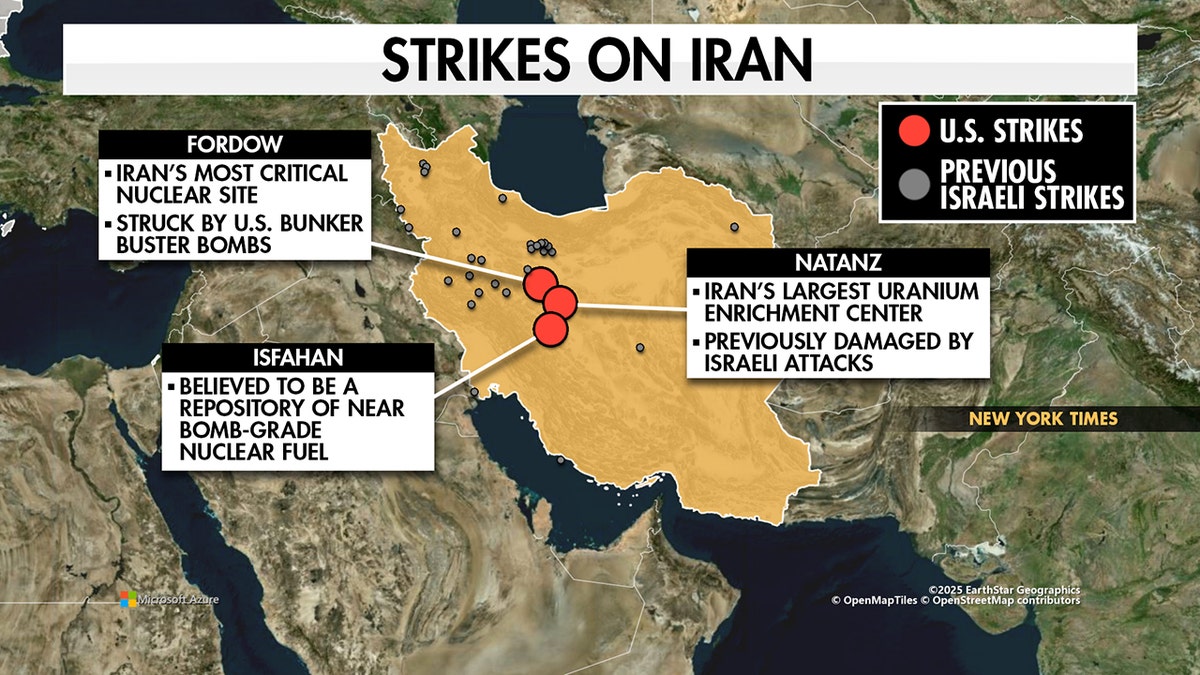
The latest escalation follows a pattern of tit-for-tat attacks that have characterized U.S.-Iran relations for over a year, with each strike prompting retaliatory measures that further erode trust. According to verified military statements, U.S. Forces conducted precision airstrikes against Iranian military sites in response to what officials describe as “unprovoked missile attacks” against American personnel in Iraq and Syria. Tehran has denied targeting U.S. Forces directly, framing its actions as retaliation for earlier U.S. Strikes on Iranian-backed militias in the region.
What began as a regional proxy conflict has increasingly drawn in outside powers, with Russia and China both expressing concern over the risk of uncontrolled escalation. Meanwhile, European allies of the U.S. Are pushing for an immediate ceasefire, though their influence appears limited in the absence of a unified international response. The situation underscores the fragility of the current diplomatic framework, where even minor miscalculations could trigger a full-blown war with unpredictable consequences.
Key verified developments:
- June 1, 2026: U.S. Central Command confirmed limited airstrikes against Iranian Revolutionary Guard Corps (IRGC) facilities in eastern Iran following missile attacks against U.S. Bases in Iraq. Source
- May 31: Iranian state media reported missile strikes on “U.S. Occupation forces” in Syria, though the Pentagon denied any casualties. Source
- Diplomatic stalemate: The latest round of indirect negotiations in Oman collapsed without agreement, with Iranian officials rejecting U.S. Demands for a complete withdrawal of forces from Syria. Source
- Regional impact: Oil prices surged 5% following the strikes, with traders citing fears of disrupted supply routes through the Strait of Hormuz. Source
Military Exchanges: A Cycle of Retaliation
The most recent exchange of strikes marks the fifth such incident since January 2026, each following a similar pattern: Iranian missile or drone attacks against U.S. Personnel or interests, followed by U.S. Airstrikes against Iranian military targets. While both sides maintain their actions are defensive, the escalatory nature of the exchanges has raised alarms among neutral observers.

May 31, 2026: Iranian state television reported that the Islamic Republic had launched “punitive strikes” against U.S. Forces in Syria in response to what it described as “continued aggression” by American forces. The Pentagon confirmed intercepting missiles near Al-Tanf base but denied any impact. Source
Within hours, U.S. Central Command announced precision airstrikes against IRGC facilities in eastern Iran, stating the attacks were in response to “recent missile attacks against U.S. Personnel and facilities.” The strikes targeted what officials described as “command-and-control nodes” used to coordinate attacks on American forces. Source
June 1: Iranian Foreign Minister Hossein Amir-Abdollahian condemned the U.S. Strikes as “a clear violation of international law,” while U.S. Secretary of State Antony Blinken accused Iran of “escalating tensions for domestic political purposes.” The contrasting narratives highlight the deep mistrust that has characterized negotiations for over a year.
“The United States is not seeking conflict with Iran, but we will defend our personnel and interests with decisive action when necessary.”
Diplomatic Efforts Collapse Amid Rising Tensions
Parallel to the military exchanges, indirect negotiations facilitated by Oman have reached a critical juncture. The latest round of talks, which concluded without agreement on May 30, revealed stark differences between the two sides’ positions. Iranian officials insist on a complete U.S. Withdrawal from Syria as a precondition for any ceasefire, while American negotiators demand Iran halt support for proxy militias in the region.
Key sticking points:
- Syrian withdrawal: Iran insists U.S. Forces must leave Syria entirely, while the U.S. Proposes a phased reduction contingent on Iranian actions.
- Proxy militias: The U.S. Demands Iran cease arming groups like Hezbollah and Kata’ib Hezbollah, which Iran refuses to do without broader regional concessions.
- Sanctions relief: Iran seeks immediate lifting of sanctions as part of any agreement, while the U.S. Ties relief to verifiable Iranian compliance.
The collapse of the Oman talks follows a similar breakdown in Vienna-based negotiations in March 2026, when both sides accused the other of bad faith. With no direct communication channels between Washington and Tehran, mediators are struggling to bridge the divide. European diplomats, including French Foreign Minister Stéphane Séjourné, have called for an emergency meeting of the UN Security Council to address the escalation.
“We are at a dangerous crossroads. The risk of miscalculation is higher than ever, and the consequences for the entire region would be catastrophic.”
Regional and Global Ramifications
The escalation is sending shockwaves through global markets and regional alliances. Oil prices have risen sharply, with traders citing concerns over potential disruptions to shipping through the Strait of Hormuz, which carries 20% of the world’s seaborne oil. The International Energy Agency has issued a warning about potential supply chain disruptions, though officials emphasize that current levels remain below critical thresholds.
In the Middle East, neighboring countries are bracing for potential spillover. Iraq has reinforced its borders with Iran, while Saudi Arabia has increased patrols in the Persian Gulf. Israeli officials have expressed concern that the escalation could draw Iran into direct conflict with Israel, though Tehran has denied any intention to attack Israel.
Humanitarian concerns: The UN World Food Programme has warned that rising tensions could disrupt food aid programs in Syria and Yemen, where Iranian-backed militias play significant roles. The agency estimates that 12 million people in the region are at risk of famine due to existing conflicts, and any further escalation could exacerbate the crisis. Source
What Happens Next?
With no clear path to de-escalation, analysts are watching for several potential developments in the coming days:
- UN Security Council: Expected to hold an emergency session on June 2 to discuss the escalation, with France and Germany pushing for a ceasefire resolution.
- Regional summit: Saudi Arabia has invited Iran and the U.S. To a meeting in Jeddah, though both sides have not yet confirmed attendance.
- Military preparedness: Reports suggest the U.S. Has deployed additional assets to the region, including aircraft carriers and missile defense systems.
- Domestic politics: Both Iranian President Ebrahim Raisi and U.S. President Joe Biden face domestic pressures that could influence their willingness to compromise.
Key Takeaways
- Escalation cycle: The U.S. And Iran have entered a dangerous cycle of retaliatory strikes, with each side justifying actions as defensive.
- Diplomatic deadlock: Negotiations in Oman and Vienna have failed to produce agreement, with fundamental differences over Syria, sanctions, and proxy groups.
- Regional risks: Neighboring countries are increasing security measures, and humanitarian organizations warn of potential crises in Syria and Yemen.
- Global markets: Oil prices have surged, and shipping routes through the Strait of Hormuz remain a critical flashpoint.
- International response: The UN Security Council is expected to address the situation, though a unified resolution appears unlikely without major concessions from both sides.
- Next steps: The coming days will be critical, with potential UN meetings, regional summits, and further military exchanges all possible.
What You Can Do
Stay informed with official updates from:
- U.S. Department of State for official U.S. Government statements
- Iranian Ministry of Foreign Affairs for Iranian government communications
- United Nations for international responses and Security Council updates
- International Energy Agency for oil market analysis and supply chain risks
Share your thoughts: How should the international community respond to this escalation? Should there be a unified military response, or is diplomacy the only viable path forward? Join the discussion in the comments below or share this article to raise awareness.
Next update: World Today Journal will provide live coverage of any developments from the UN Security Council meeting on June 2, as well as updates on potential regional summits and further military exchanges.
Keep reading