Judge Orders Trump’s Name Removed from Kennedy Center: Protesters Celebrate Legal Victory
Washington, D.C. — A federal judge has delivered a landmark ruling requiring the immediate removal of President Donald Trump’s name from the John F. Kennedy Center for the Performing Arts, halting a controversial two-year closure plan and sparking jubilant celebrations among activists and artists. The decision, issued Friday by U.S. District Judge Christopher Cooper, also blocked the Trump administration from altering the center’s official name unless Congress approves such changes.
The ruling came in response to a lawsuit filed by Rep. Joyce Beatty (D-OH), an ex-officio member of the Kennedy Center’s board. Cooper’s order permanently enjoins the administration from displaying any signage—physical or digital—that suggests the institution is named for anyone other than President John F. Kennedy, as mandated by federal statute. The judge also granted a preliminary injunction to halt the center’s impending closure, citing that previous repair plans did not justify a full shutdown.
“Congress named the John F. Kennedy Center for the Performing Arts for President John F. Kennedy by federal statute, and the Center may not be officially named for anyone else except by an act of Congress,” Cooper wrote in his ruling. The decision underscores the legal and symbolic significance of the center, which has stood as a tribute to the late president since its dedication in 1971.
What happens next? While the ruling is a victory for supporters, legal challenges and political maneuvering could prolong the uncertainty. Trump’s administration has signaled plans to appeal, and the president himself has vowed to “return” the center to Congress, framing it as a “failing institution” in need of reform. Meanwhile, activists and artists are rallying to restore trust and funding to the iconic venue.
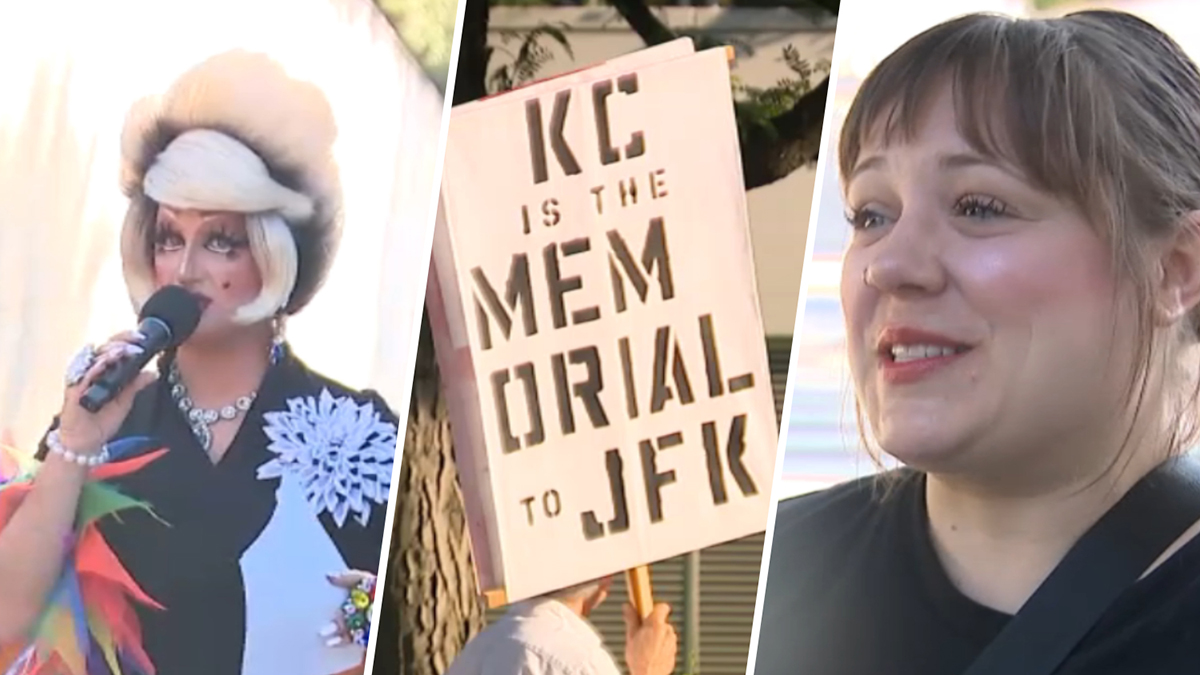
“I am taking this as great news. I’m very excited, very happy, and I know we still have a long road ahead of us.”
Miller, a member of the activist group Hands Off the Arts, expressed cautious optimism, acknowledging the damage inflicted during the Trump administration’s oversight. “A lot of repair needs to take place,” she said, referencing reports of budget cuts and operational disruptions at the center.
The Legal Battle and Its Implications
Judge Cooper’s ruling is rooted in the John F. Kennedy Center for the Performing Arts Act of 1971, which explicitly designates the center as a permanent memorial to President Kennedy. The law requires any name change to be approved by Congress, a hurdle the Trump administration sought to bypass through executive action.

Critics argue that the administration’s takeover—marked by reported budget cuts and operational interference—violated the center’s congressional mandate. Beatty, who filed the lawsuit, emphasized that ex-officio board members, including herself, were excluded from decision-making processes, a violation of the center’s governance structure.
Trump’s response to the ruling was unexpectedly conciliatory in tone, despite his public criticism of Cooper. In a social media post, Trump stated: “We are going to be working with Congress to transfer this failing institution back to them so they can make a determination as to what to do with it.” He added, “I have no interest in continuing what could only be a hopeless journey into NEVER NEVER LAND.”
The administration’s appeal process could drag out for months, leaving the center’s future in limbo. Legal experts suggest the case may eventually reach the Supreme Court, given its high-stakes constitutional and cultural implications.
Artists and Activists Respond: A Call to Rebuild Trust
The judge’s ruling transformed a planned vigil into a spontaneous celebration. Outside the Kennedy Center, activists gathered to honor President Kennedy’s 109th birthday, which would have been May 29, 2026. Among them was Jodi Beder, a cellist who performed a solemn tribute to the late president. “The tone shifted from mourning to hope,” Beder said, reflecting on the crowd’s reaction to the news.

Tara Hoot, a drag performer who has performed at the Kennedy Center, called the ruling a “first step” toward healing. “Now the tough work begins to rebuild trust with artists, with communities, to bring the Kennedy Center back to life,” Hoot said. “This isn’t just about a name—it’s about the soul of an institution.”
Hoot’s remarks highlight the broader cultural stakes of the dispute. The Kennedy Center, which hosts over 2,000 performances annually, is a cornerstone of American arts. Its closure or renaming would have had ripple effects across the creative community, including potential job losses and disruptions to touring artists.
What’s Next for the Kennedy Center?
The immediate next steps include:
- Removal of Trump’s name: The administration has 14 days to comply with the judge’s order, though appeals may delay enforcement.
- Congressional oversight: Trump’s pledge to return the center to Congress could lead to bipartisan discussions on funding and governance reforms.
- Legal appeals: The administration’s expected appeal could prolong uncertainty, with potential Supreme Court involvement.
- Repair and reopening: The preliminary injunction halts the two-year closure, but structural repairs remain a priority.
For updates on the case, readers can monitor:
- U.S. Department of Justice for court filings.
- Kennedy Center official statements.
- Congressional proceedings on the center’s future.
Why This Matters: Culture, Politics, and the Power of Names
The Kennedy Center dispute is more than a legal or administrative battle—it’s a clash over the role of government in preserving cultural heritage. Names carry weight: The Kennedy Center is not just a building but a symbol of national identity, honoring a president whose legacy spans civil rights, space exploration, and the arts.
For many, the attempt to rename the center was seen as an assault on democratic norms. “This is about protecting our shared history,” said Dr. Eleanor Whitmore, a historian at the Smithsonian Institution. “Institutions like the Kennedy Center exist to serve the public, not as political pawns.”
Economically, the center’s fate also matters. It generates over $1 billion annually in economic activity for Washington, D.C., supporting thousands of jobs in hospitality, tourism, and the arts. A prolonged closure could have devastating local effects.
What do you think? Should cultural institutions be shielded from political interference? Share your thoughts in the comments below, and follow our coverage for updates on the Kennedy Center’s future.
Subscribe to our newsletter for deeper analysis on how this ruling could shape public-private partnerships in the arts.
Key Questions Answered
Q: Can the Kennedy Center be renamed without Congress’s approval?

A: No. Judge Cooper’s ruling confirms that federal law requires an act of Congress to change the center’s name. Any attempt to do so through executive action is legally invalid.
Q: Will the center reopen immediately?
A: The preliminary injunction halts the two-year closure, but repairs may still require time. The center’s leadership will need to negotiate with Congress on funding and operational plans.
Q: How did the Trump administration justify the takeover?
A: The administration cited executive orders on federal property management, arguing the center needed urgent repairs. Critics countered that the scale of the closure was disproportionate to the stated needs.
Q: What is the Kennedy Center’s role in the U.S.?
A: As the nation’s performing arts center, it hosts major events like the Presidential Inaugural Gala and the Mark Twain Prize. It also provides arts education and community programs nationwide.
A Timeline of Key Events
| Date | Event |
|---|---|
| 1971 | Kennedy Center opens as a permanent memorial to President John F. Kennedy. |
| 2023 | Trump administration takes control of the center, citing repair needs. |
| May 2026 | Protests begin outside the center over Trump’s oversight. |
| June 1, 2026 | Judge Cooper rules to remove Trump’s name and halt closure; protests turn into celebrations. |
Related reading
- 港股ADR普遍較本港收市上升 – RTHK News
- Munchener ruckvers : L’UE donne son feu vert sur l’acquisition d’un portefeuille immobilier …
- What Is a 'Blue Slip'? The Senate Custom Trump Wants Gone (daybreakwire.com)
- Trump says US being ‘invaded by filthy air’ as he threatens Canada with tariffs over wildfires (archyworldys.com)