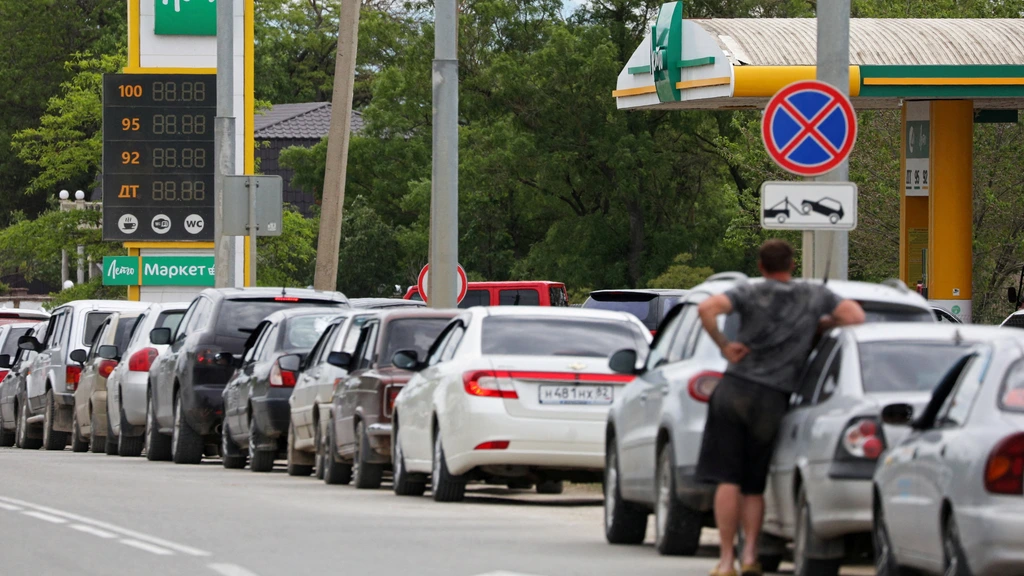
LONDON, UK — Russia’s energy infrastructure is under unprecedented strain as Ukraine’s relentless strikes on oil refineries and pipelines deepen a fuel crisis in Crimea, threatening to disrupt civilian life and military operations alike. With reports of kerosene export bans, potential rationing measures, and discussions of importing aviation fuel, the Kremlin faces mounting challenges to stabilize supplies amid escalating conflict.
Since late 2023, Ukrainian forces have targeted Russian oil facilities with drones and missiles, crippling production at key refineries in Crimea and southern Russia. The latest wave of attacks—including strikes on the Taman refinery and Kerch Strait pipelines—has slashed refining capacity by an estimated 30–40%, according to Financial Times industry sources. The fallout is now rippling through Crimea, where authorities have reportedly begun preparing for fuel rationing as shortages force panic buying and long queues at gas stations.
This crisis comes as Moscow grapples with broader sanctions-induced disruptions to its energy sector. The European Union’s price cap on Russian oil, combined with Ukrainian strikes, has pushed domestic fuel prices to record highs. Meanwhile, the Kremlin’s attempts to mitigate the damage—such as halting kerosene exports and exploring imports of aviation fuel—highlight the fragility of Russia’s energy supply chains in the face of sustained military pressure.
–>
Why Crimea Is Ground Zero for Russia’s Fuel Crisis
Crimea, annexed by Russia in 2014 and heavily militarized since 2022, relies almost entirely on mainland Russian refineries for fuel. The peninsula’s strategic ports—including Sevastopol and Kerch—serve as critical hubs for the Black Sea Fleet, making fuel shortages a direct threat to Russia’s naval operations. Ukrainian strikes on infrastructure like the Taman refinery (which supplies ~20% of Crimea’s diesel) have forced Moscow to reroute limited supplies via rail and road, exacerbating logistical nightmares.
Local reports from Crimea suggest that fuel stations are operating on skeletal hours, with some offering only diesel or gasoline in alternating shifts. The BBC cites residents describing “chaotic” conditions, including vehicles queuing for hours and black-market prices surging by up to 50%. In response, Russian authorities have reportedly deployed additional troops to “maintain order” at fuel depots, though details remain scarce.
Kremlin’s Desperate Measures: Rationing, Bans, and Unusual Imports
The Kremlin has taken several high-profile steps to address the crisis, though their effectiveness remains unproven:
- Kerosene export ban: Russia halted kerosene exports in early May after Ukrainian strikes damaged the Novorossiysk refinery, a key supplier to global markets. The move freed up limited domestic stocks for internal use but did little to alleviate regional shortages.
- Potential fuel rationing: While not yet officially confirmed, Russian media outlets—including Kommersant—report that Crimean authorities are drafting plans for rationed fuel distribution, possibly tied to residency permits or military status. A Kremlin spokesperson declined to comment when reached by Reuters.
- Exploring aviation fuel imports: With domestic jet fuel production crippled, Russia is reportedly in talks with allied nations (including Iran and the UAE) to secure supplies, a rare concession given Moscow’s long-standing opposition to foreign energy dependence.
Analysts warn that these measures may only provide temporary relief. “Russia’s energy infrastructure was already stretched thin by sanctions, and Ukraine’s precision strikes are now acting like a scalpel,” said Dr. Ian Bremmer, president of the Eurasia Group. “The real question is whether Putin can afford to divert military resources to stabilize civilian supplies—or if Crimea becomes a test case for broader rationing across Russia.”
Market Reactions: Sanctions, Prices, and Global Ripples
The crisis is sending shockwaves through global energy markets. Brent crude prices jumped nearly 3% this week as traders priced in the risk of further supply disruptions. Meanwhile, the International Energy Agency (IEA) has downgraded its forecast for Russian oil exports, citing “unprecedented operational risks” in the Black Sea region.
For Europe, the fallout is twofold: while Russian fuel shortages may seem like a victory for sanctions, they also risk destabilizing neighboring markets. The EU’s REPowerEU plan—designed to wean the bloc off Russian energy—could face delays if alternative suppliers (like the U.S. Or Middle East) struggle to compensate for lost Russian volumes. “This is a classic case of unintended consequences,” noted Henner Schmidt, a senior fellow at the Council on Foreign Relations. “Cutting off Russian oil was meant to weaken Putin’s war machine, but now we’re seeing collateral damage to global stability.”
What Happens Next? Key Checkpoints
Several developments will determine whether the crisis worsens or stabilizes in the coming weeks:
- June 1, 2024: Deadline for Russia’s state-backed energy firm Rosneft to report Q2 refining capacity losses to the Kremlin. Leaks suggest up to 500,000 barrels per day of processing capacity may be offline.
- June 10–15: Expected announcement on fuel rationing in Crimea, pending approval from Moscow. Local officials have hinted at a “phased rollout” starting with high-priority sectors (military, healthcare, agriculture).
- Mid-June: Potential first shipments of aviation fuel from Iran or the UAE, if negotiations succeed. The Kremlin has not confirmed any deals, but industry sources tell the FT talks are “advanced.”
For now, the most immediate concern remains civilian hardship in Crimea. With no end to Ukrainian strikes in sight, residents and businesses are bracing for prolonged disruptions—a stark reminder of how deeply intertwined energy, war, and economics have become in 2024.
Key Takeaways
- Crimea’s fuel crisis is driven by Ukrainian strikes on refineries like Taman and Kerch, slashing supplies by 30–40%.
- Russia has banned kerosene exports and may introduce rationing, though details remain unclear.
- Global oil prices are rising as traders anticipate further supply risks from Black Sea disruptions.
- The Kremlin is exploring aviation fuel imports from Iran/UAE, a rare concession.
- Next critical updates: June 1 (Rosneft report) and June 10–15 (rationing announcement).
This story will be updated as new developments emerge. For official advisories, monitor:
Share your thoughts: How do you think this crisis will impact global energy markets? Leave a comment below or share this analysis with colleagues.
Keep reading