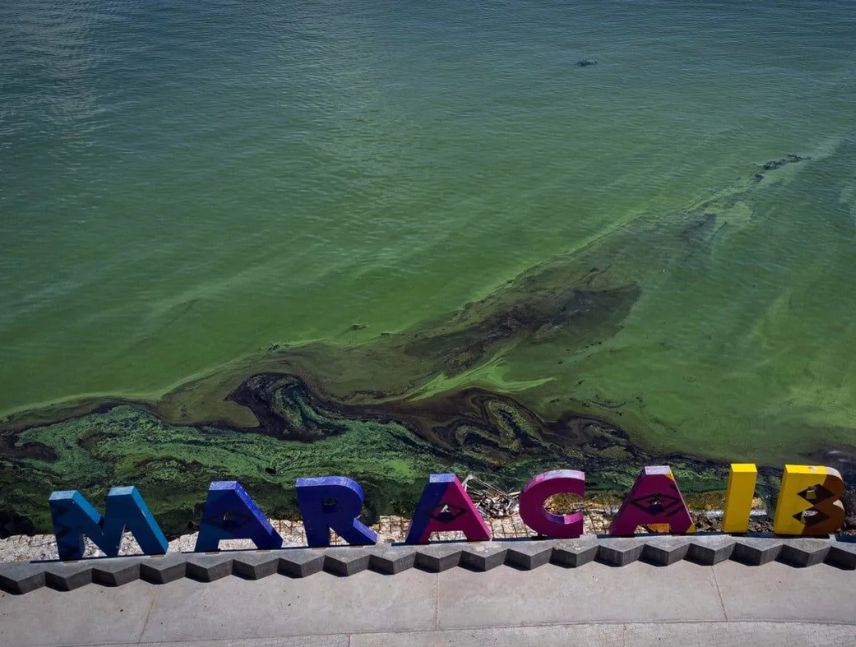
The ecological health of Venezuela’s coastal regions has become a matter of increasing concern for environmental researchers and conservationists. As migratory patterns intersect with areas prone to industrial activity, the survival of various shorebird species—many of which rely on these wetlands as critical stopover sites—faces significant pressure from environmental degradation, including oil-related contamination.
According to academic research published in peer-reviewed bulletins, there are 48 species of shorebirds registered in Venezuela, 35 of which are migratory. These birds depend on specific, high-quality habitats to complete their annual cycles. Among the primary threats identified by researchers are oil spills, which are known to increase mortality rates and reduce the reproductive success of these populations, as noted in a 2021 study on the impact of oil spills on shorebirds and their stopover sites in Venezuela (Impact of oil spills on shorebirds).
The Ecological Significance of Coastal Stopovers
Shorebird populations are experiencing global declines, a trend that is particularly concerning for species that follow hemispheric migration routes. In Venezuela, the coastal marine habitats serve as essential “refueling” stations. When these intertidal zones are compromised by hydrocarbons, the birds—already exhausted from long-distance flight—face heightened exposure to toxic substances. This contamination not only affects the birds directly through plumage fouling but also degrades the quality of the wetlands where they forage for food.
The 2021 analysis highlighted that specific sites in Falcón State were impacted by oil spills occurring in 2020. Conservationists emphasize that the survival of these migratory species is inextricably linked to the preservation of these specific stopover points. Without clean, functioning intertidal ecosystems, the migratory cycle is disrupted, leading to long-term population instability.
Infrastructure and Environmental Monitoring
The issue of oil-related environmental impact in Venezuela is complex, involving aging infrastructure and the challenges of maintaining containment protocols. While there are established contingency plans and international agreements intended to mitigate such accidents, the frequency of reports concerning spills remains a point of contention among environmental observers and local communities.
Publicly available records indicate that reports of spills have frequently emerged from communities located near industrial installations. These reports are often the primary source of information in regions where official, comprehensive data on the state of environmental infrastructure is limited. The accumulation of hydrocarbons in sensitive areas like the Lake Maracaibo basin has also raised broader concerns regarding the potential for heavy metal contamination, which can have cascading effects on both the health of local wildlife and human populations residing in the vicinity of affected water bodies.
Challenges in Mitigation and Reporting
A central challenge in addressing these environmental threats is the lack of systematic, publicly available official reporting following recent incidents. While historical data exists, the transparency of current mitigation efforts is frequently debated. Effective conservation requires not only the physical cleanup of affected sites but also a rigorous, science-based assessment of the long-term biological impact on the local fauna.
For researchers and NGOs, the priority remains the urgent determination of how these spills influence the marine-coastal ecosystems. Experts argue that without a transparent flow of information and a professionalized approach to incident management, the risks to biodiversity—specifically to the 48 species of shorebirds identified in the country—will remain elevated. The conservation of these species requires a shift toward more robust environmental monitoring and the consistent application of international safety standards.
Looking Ahead: The Need for Sustained Conservation
As the international community continues to monitor the environmental situation in the region, the focus remains on the protection of critical habitats. The ongoing survival of migratory birds depends on the ability of local authorities and environmental bodies to prevent further contamination and to rehabilitate the damaged coastal zones. Future updates on the status of these ecosystems will be essential for conservationists working to reverse the decline of these vulnerable avian populations.
We invite our readers to share their thoughts on the importance of habitat preservation and the role of transparency in environmental management. Are there specific coastal areas you are concerned about? Join the discussion in the comments section below to contribute to the global conversation on marine conservation.
Keep reading