
South Korea is bracing for a dramatic shift in weather patterns this week, as meteorologists warn of a stark contrast between scorching summer heat in the central regions and heavy rainfall concentrated in the south. With temperatures expected to soar in areas like Seoul and Daejeon—potentially reaching near-record highs for early June—officials are urging residents to take precautions against heat-related risks. Meanwhile, the southern provinces, including Busan and Gwangju, face the threat of intense downpours and localized flooding, raising concerns about infrastructure resilience and public safety.
The Korea Meteorological Administration (KMA) has issued advisories highlighting the dual hazards, describing the weather as “unusually volatile for this time of year.” According to the agency, central regions could see mercury levels climb to 35°C (95°F) or higher by midweek, while southern areas may receive 50–100mm of rain within 24 hours, with isolated regions potentially exceeding these totals. The KMA attributes the pattern to a persistent high-pressure system over the Korean Peninsula, interacting with a slow-moving tropical moisture stream from the south.
This weather divide is not just a matter of discomfort—it poses significant challenges. In central Korea, prolonged exposure to extreme heat can exacerbate health risks, particularly for vulnerable populations such as the elderly, children, and outdoor workers. The government’s Ministry of Interior and Safety has advised communities to monitor air quality indices, as heatwaves often correlate with elevated levels of ground-level ozone and fine particulate matter. Meanwhile, in the south, authorities are preparing emergency response teams to address potential flash floods, landslides, and disruptions to transportation networks.
For travelers and residents alike, the forecast demands careful planning. Public transit operators in Seoul have already announced adjustments to cooling systems on subways and buses, while local governments are encouraging businesses to implement flexible work arrangements for employees in high-risk areas. The KMA’s mid-term forecast suggests this bipolar weather pattern may persist through early next week, though long-range models indicate a gradual stabilization by June 10.
Central Korea: Heatwave Alert and Health Risks
Central South Korea, including the capital region and surrounding provinces, is under a Level 3 heatwave warning—the second-highest tier on the KMA’s alert system. This classification triggers mandatory responses from local governments, including the activation of public cooling centers and the distribution of hydration kits to at-risk communities. Seoul’s metropolitan government has already opened 47 designated cooling centers across the city, with additional sites scheduled to open by June 4, according to a city statement.
Historical data shows that prolonged heatwaves in this region often lead to spikes in heatstroke cases. In 2023, South Korea recorded 1,245 heatstroke-related hospitalizations during a similar early-June heatwave, with 8 fatalities linked to exposure, per the Korea Disease Control and Prevention Agency. Authorities are particularly concerned about outdoor laborers, homeless populations, and those without access to air conditioning. The KMA advises residents to:

- Limit outdoor activity between 10 AM and 6 PM, when UV and heat indices peak.
- Increase fluid intake, even if not feeling thirsty, and avoid alcohol or caffeine.
- Use wet cloths or cooling towels, and wear lightweight, light-colored clothing.
- Check on elderly neighbors or family members who may be isolated.
The Seoul Metropolitan Government has also partnered with local pharmacies to ensure oral rehydration salts and electrolyte drinks are widely available at discounted rates. For those without access to pharmacies, the city’s official website provides a list of community health centers offering free consultations.
Southern Korea: Flash Flood and Landslide Warnings
Contrastingly, southern provinces are under a Level 2 heavy rainfall warning, with Busan, Gyeongsangnam-do, and Jeolla provinces at highest risk. The KMA’s rainfall outlook indicates that the heaviest precipitation is likely to occur between June 3 and June 5, coinciding with the weekend. This timing raises concerns about travel disruptions, particularly for those planning to visit popular coastal destinations like Jinju or the Haedong Yonggungsa Temple.
Local disaster management teams in Busan have pre-positioned 12 emergency response vehicles and trained 350 volunteers to assist with evacuations, according to the Busan Metropolitan City. The city’s flood control systems, including underground reservoirs and real-time monitoring sensors, are fully operational, but officials caution that urban areas with poor drainage—such as parts of Haeundae-gu and Dong-gu—may experience localized flooding.
For residents in flood-prone areas, the KMA recommends:
- Monitoring real-time alerts via the KMA’s mobile app or local disaster broadcasts.
- Avoiding low-lying streets and basements during heavy downpours.
- Securing outdoor furniture and vehicles to prevent damage from strong winds.
- Having an emergency kit ready, including flashlights, batteries, and essential medications.
Transportation and Travel Disruptions
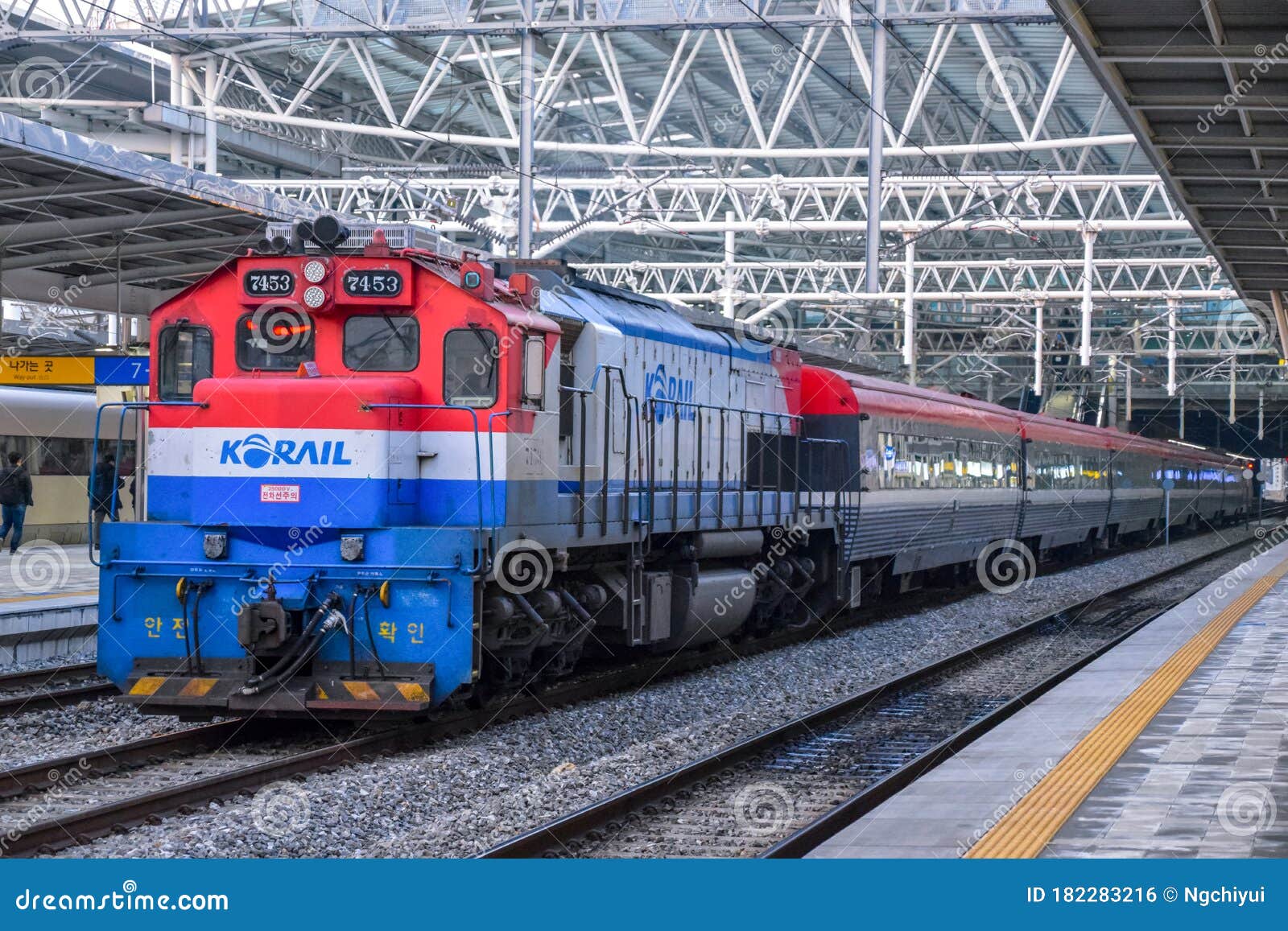
The weather divide is also testing South Korea’s transportation infrastructure. The Korea Railroad Corporation (Korail) has announced delays and cancellations on several lines serving central and southern regions, including:
- Gyeongbu Line: Reduced service between Seoul and Busan due to potential track flooding.
- Honam Line: Suspension of non-essential passenger trains between Gwangju and Mokpo.
- Seoul Subway Lines 2 and 4: Extended cooling breaks for train operators.
Airports in the region, including Incheon International and Gimpo, are operating normally but advising passengers to check for last-minute changes. The Korea Expressway Corporation has also deployed additional patrol teams to clear debris from highways in southern provinces.
Long-Term Outlook: Will the Pattern Persist?
While the immediate forecast suggests this bipolar weather pattern will dominate through June 7, meteorologists are cautious about predicting its longevity. The KMA’s 30-day outlook indicates a 50% chance of near-normal temperatures returning by mid-June, but with continued volatility. Climate scientists note that such extreme weather contrasts are becoming more frequent in East Asia due to climate change, with rising sea surface temperatures in the Pacific exacerbating monsoon variability.
For now, residents are advised to stay informed through official channels. The KMA updates its forecasts every three hours, and local governments provide hyper-local advisories. The next critical checkpoint will be the June 7 briefing, when the agency is expected to release an updated 10-day forecast, including projections for the upcoming weekend.
Key Takeaways
- Central Korea: Heatwave warnings (up to 35°C) with health risks; cooling centers open in Seoul.
- Southern Korea: Heavy rainfall warnings (50–100mm) with flood and landslide risks.
- Transport: Korail and subway services may face delays; airports operating normally but advising caution.
- Safety: KMA and local governments urge hydration, evacuation planning, and monitoring official alerts.
- Next Update: KMA’s June 7 briefing will clarify if the pattern stabilizes or intensifies.
As South Korea navigates this extreme weather duality, preparedness remains the best defense. Whether battling the heat in Seoul or the rains in Busan, staying informed and proactive can make all the difference. For real-time updates, visit the Korea Meteorological Administration or your local municipal website. Share your experiences or safety tips in the comments below—your insights could help others stay safe.
Worth a look