
Your skin is often the first place stress shows up—long before you even notice the weight of anxiety or the toll of sleepless nights. From subtle flares to persistent rashes, these physical manifestations are your body’s silent SOS signals. But what exactly triggers them, and how can you turn the tide? As a physician and health journalist, I’ve seen firsthand how stress-induced skin conditions disrupt lives, yet many people don’t recognize the connection—or the solutions. Here’s what you need to know about three of the most common stress-related skin issues, backed by dermatological research and expert guidance.
The link between mental health and skin health is stronger than ever. A 2023 study published in the Journal of the American Academy of Dermatology found that chronic stress can weaken the skin barrier, increase inflammation, and even alter microbiome balance—setting the stage for conditions that worsen under pressure. Yet despite this evidence, many still dismiss skin symptoms as “just stress” without seeking proper care. The reality? These conditions often require targeted treatment, from stress management to medical interventions. Below, we break down three stress-induced skin conditions you should know, their triggers, and how to address them effectively.
Why does this matter? Because ignoring the signs can lead to a vicious cycle: stress flares skin issues, which then amplify stress. The good news? With the right tools—both medical and mindful—you can break the pattern. Let’s start with the most common culprit: atopic dermatitis, a condition that thrives on emotional turmoil.
1. Atopic Dermatitis (Eczema): The Stress Amplifier
Atopic dermatitis, commonly known as eczema, is one of the most stress-sensitive skin conditions. For those with a genetic predisposition, stress acts as a trigger, exacerbating dryness, itching, and inflammation. A 2024 meta-analysis in JAMA Dermatology revealed that patients with eczema reported a 40% higher likelihood of anxiety or depression compared to those without the condition—a bidirectional relationship where skin symptoms feed mental distress and vice versa.
How does it work? Stress increases cortisol levels, which can disrupt the skin’s natural lipid barrier. This makes the skin more susceptible to irritants and allergens, leading to flare-ups. Scratching—often a compulsive response to itching—can create a cycle of damage and healing, further irritating the skin. Dermatologists frequently describe eczema as a “window into the nervous system,” given how tightly it’s linked to emotional states.
What can you do? Stress management is non-negotiable. Techniques like cognitive behavioral therapy (CBT), mindfulness meditation, and even biofeedback have shown promise in reducing eczema severity. Topical treatments—such as moisturizers with ceramides or prescription corticosteroids—can provide relief, but addressing the root cause (stress) is key. For severe cases, dermatologists may recommend oral medications like dupilumab, an anti-inflammatory drug approved for moderate-to-severe eczema.
Key Takeaway: If your eczema flares when you’re under pressure, it’s not “all in your head”—it’s a physiological response. Combining skincare with stress-reduction strategies yields the best results.
2. Psoriasis: The Inflammatory Link to Stress
Psoriasis is another skin condition with a well-documented connection to stress. Unlike eczema, which often appears in childhood, psoriasis frequently emerges or worsens in adulthood, often during periods of high stress. The National Psoriasis Foundation reports that up to 80% of psoriasis patients cite stress as a trigger for flare-ups, though the exact mechanism remains under study. Current theories suggest stress may activate the immune system, leading to overproduction of skin cells and the characteristic red, scaly plaques.
Interestingly, psoriasis isn’t just a skin-deep issue. Research from Harvard Medical School indicates that chronic psoriasis is associated with an increased risk of metabolic syndrome, cardiovascular disease, and depression—a triple threat that underscores the importance of holistic treatment. Stress management here isn’t just about symptom relief; it’s about long-term health.

Treatment approaches vary. Topical therapies (e.g., vitamin D analogs, coal tar) can help control symptoms, while systemic medications like biologics (e.g., adalimumab) target the immune response. But lifestyle changes—such as regular exercise, adequate sleep, and stress-reduction techniques—play a critical role. For example, a 2025 study in The Journal of Investigative Dermatology found that patients who combined phototherapy with mindfulness-based stress reduction experienced 30% fewer flare-ups over six months.
Key Takeaway: Psoriasis flare-ups are often a red flag for underlying stress or immune dysregulation. If you notice patches worsening during stressful periods, consult a dermatologist to explore both medical and psychological interventions.
3. Hives (Urticaria): The Ephemeral but Exhausting Reaction
Hives, or urticaria, are characterized by itchy, raised welts that can appear suddenly and disappear just as quickly. While often associated with allergies, stress-induced hives are a well-documented phenomenon. The American Academy of Allergy, Asthma & Immunology estimates that up to 20% of chronic urticaria cases have no identifiable trigger—suggesting stress or anxiety may be the primary driver. These “stress hives” can be particularly frustrating because they lack the clear allergic triggers of food or medication reactions.
The connection between hives and stress is believed to involve histamine release, a chemical your body produces in response to perceived threats. When stressed, some individuals experience heightened histamine sensitivity, leading to the rapid onset of welts. Unlike eczema or psoriasis, hives are typically acute, but chronic cases can significantly impact quality of life, especially if they disrupt sleep or daily activities.
Management focuses on identifying and mitigating stress triggers. Antihistamines (e.g., cetirizine) can provide relief, while stress-reduction strategies like deep breathing exercises or therapy may prevent recurrence. For severe cases, dermatologists might prescribe short-term corticosteroids or omalizumab, a monoclonal antibody approved for chronic idiopathic urticaria. However, the most effective long-term solution often lies in addressing the emotional triggers.
Key Takeaway: If your hives come and go with your stress levels, keep a symptom diary to track patterns. This can help you—and your doctor—pinpoint whether stress is the culprit and tailor a response.
When to See a Doctor: Red Flags and Next Steps
Not all skin reactions require immediate medical attention, but certain signs warrant a visit to a dermatologist or healthcare provider. Seek professional advice if you experience:
- Persistent symptoms lasting more than two weeks, despite self-care efforts.
- Severe itching or pain that disrupts sleep or daily functioning.
- Signs of infection, such as oozing, crusting, or fever (which could indicate secondary bacterial infection).
- Unusual patterns, like sudden widespread rashes or symptoms that don’t align with known stress triggers.
During your appointment, be prepared to discuss your stress levels, lifestyle, and any recent changes in medications or skincare routines. Dermatologists often collaborate with psychologists or psychiatrists to address the mind-skin connection, especially in cases where stress is a primary driver. Early intervention can prevent conditions from becoming chronic or more difficult to manage.
Beyond the Skin: Holistic Strategies for Stress and Skin Health
While medical treatments are essential, holistic approaches can complement conventional care. Here are evidence-based strategies to support both your skin and your mental well-being:
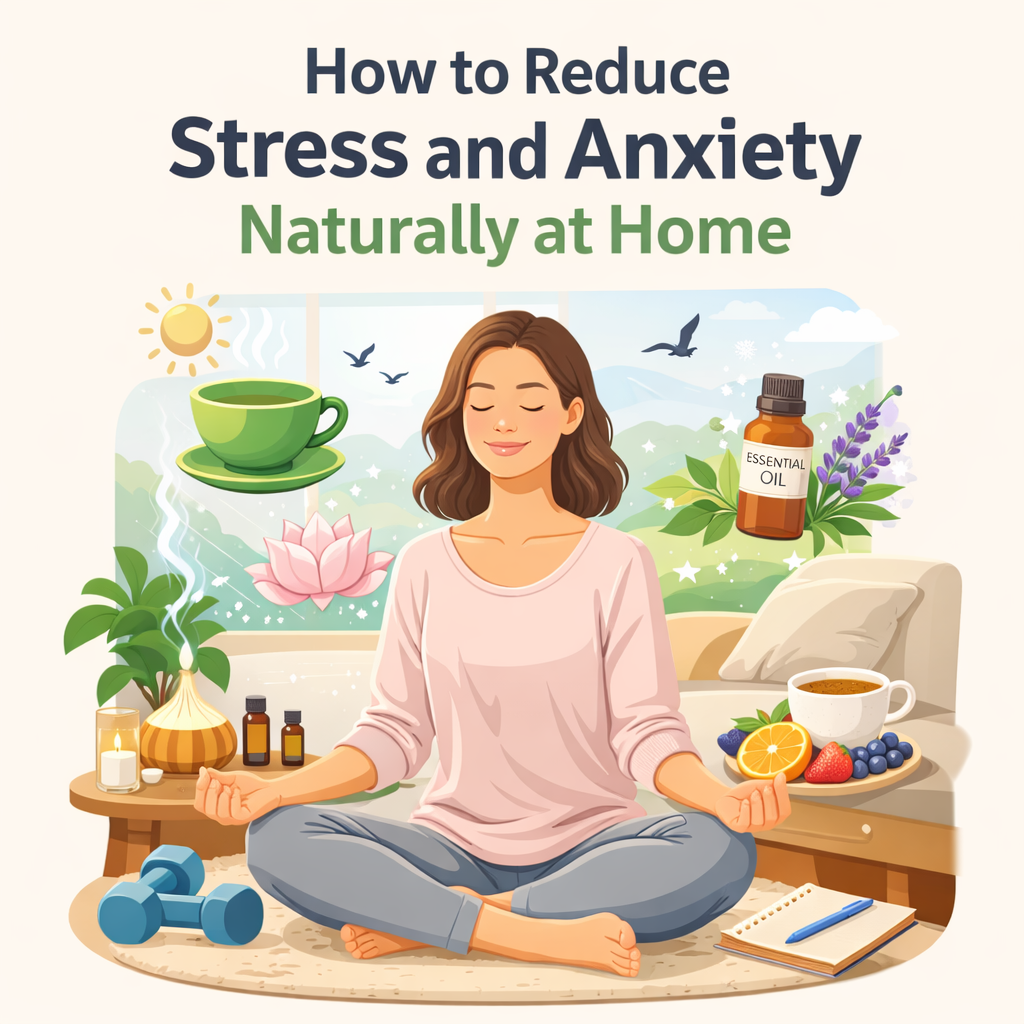
- Mindfulness and meditation: Studies show that regular mindfulness practice can reduce cortisol levels, thereby improving skin barrier function. Apps like Headspace or Calm offer guided sessions tailored to stress management.
- Exercise: Physical activity boosts endorphins, which can counteract stress hormones. Even 30 minutes of walking daily has been linked to improved skin hydration and reduced inflammation.
- Dietary adjustments: Omega-3 fatty acids (found in fish, flaxseeds, and walnuts) and antioxidants (from berries and leafy greens) can help mitigate skin inflammation. Conversely, high-sugar or high-processed-food diets may exacerbate flare-ups.
- Sleep hygiene: Poor sleep amplifies stress responses. Aim for 7–9 hours per night and establish a relaxing bedtime routine (e.g., reading, warm baths, or herbal teas).
- Therapy: Cognitive behavioral therapy (CBT) and other talk therapies have been shown to reduce stress-related skin symptoms. Many insurance plans cover these services.
For those seeking additional resources, the American Academy of Dermatology offers a dedicated section on stress and skin health, while the National Institute of Mental Health provides tools for managing anxiety and depression (visit their resource page).
Looking Ahead: Research and Emerging Treatments
The field of dermatology is rapidly evolving, with new research shedding light on the gut-skin-brain axis—a complex network where stress, microbiome health, and skin conditions intersect. For example, preliminary studies suggest that probiotics may help modulate immune responses in conditions like eczema and psoriasis, offering a non-pharmacological option for stress-related flare-ups.
advancements in biologic therapies are expanding treatment options for chronic conditions. Drugs like risankizumab (for psoriasis) and dupilumab (for eczema) target specific pathways in the immune system, reducing inflammation at its source. While these treatments are not stress-specific, they can provide much-needed relief for those whose skin symptoms are exacerbated by emotional factors.
As research progresses, the goal is to move toward personalized medicine—tailoring treatments to an individual’s genetic, environmental, and psychological profile. Until then, the most effective approach remains a combination of medical care, stress management, and self-awareness.
Your Skin, Your Story
Stress-induced skin conditions are more than just cosmetic concerns; they’re a dialogue between your mind and body. By recognizing the signs, seeking the right care, and adopting holistic strategies, you can regain control—not just over your skin, but over your overall well-being. If you’ve struggled with stress-related skin issues, share your experiences in the comments below. Have you found techniques that work for you? Let’s learn from each other.
For the latest updates on dermatological research and stress management, bookmark the World Today Journal Health section. And if you found this guide helpful, don’t forget to share it with someone who might benefit. Your skin—and your peace of mind—are worth it.
Keep reading