
By Dr. Helena Fischer, Editor, Health
Saint-Denis, Réunion — On an island where the turquoise waters of the Indian Ocean meet dramatic volcanic peaks, a quieter but no less urgent public health crisis is unfolding. HIV, once a stigmatized and feared disease in Réunion, is now being described by local activists as “normalized”—a term that carries alarming implications for prevention, testing, and treatment in this French overseas department. With a population of over 910,000 spread across 2,511 square kilometers, Réunion’s unique demographic and cultural landscape has created conditions where HIV is increasingly perceived as less threatening than it should be.
This shift, warned by associations like Solidarité Sida and Réunion Sida, is not just a matter of perception. It reflects deeper challenges: inconsistent testing rates, gaps in sexual health education, and a healthcare system struggling to adapt to the evolving needs of a younger, more mobile population. As France’s easternmost territory, Réunion sits at the crossroads of African, Asian, and European influences—a diversity that enriches its culture but also complicates its public health responses.
For Dr. Marc Dubois, an infectious disease specialist at the Centre Hospitalier Universitaire de La Réunion, the trend is “particularly concerning.” “We’re seeing a resurgence in late diagnoses, which means people are presenting with more advanced stages of HIV when they finally seek care,” he told World Today Journal. “This suggests that either testing is not happening early enough, or that there’s a perception that HIV is no longer a serious threat.” The data, though limited in public transparency, aligns with broader trends in the Indian Ocean region, where younger populations are driving new infection dynamics.
Key Takeaways:
- Rising late diagnoses: A growing number of HIV cases are being identified at advanced stages, indicating delays in testing.
- Testing gaps: Routine HIV screening remains inconsistent, particularly among younger adults and key populations.
- Community response: Local NGOs are expanding peer education and mobile testing initiatives to reach underserved groups.
- Healthcare strain: Réunion’s single university hospital faces resource constraints in managing both chronic HIV care and acute outbreaks.
Why Is HIV Being ‘Normalized’ in Réunion?
The term “normalization” is not used lightly. In public health, it describes a dangerous psychological shift where a disease—once feared and actively prevented—becomes so integrated into daily life that its risks are downplayed. For HIV in Réunion, several factors are driving this trend:
- Effective antiretroviral therapy (ART): With modern medications, HIV is now a manageable chronic condition for many. While this is a medical triumph, it has also led to complacency about prevention.
- Stigma reduction: Younger Réunionese, particularly those with mixed heritage, report less fear of HIV due to increased visibility of people living with the virus in media and public life.
- Migration and mobility: Réunion’s strategic location in the Indian Ocean means frequent travel and connections to Madagascar, Mauritius, and mainland France, facilitating the spread of infections.
- Limited education: Sexual health curricula in Réunion’s schools often lack depth, leaving gaps in knowledge about transmission, prevention, and testing.
According to the Agence Régionale de Santé (ARS) de La Réunion, the number of new HIV diagnoses has remained relatively stable in recent years, but the proportion of late diagnoses has increased by 15% between 2022 and 2024 (ARS Réunion data). Late diagnoses—defined as those with a CD4 count below 200 or AIDS-defining illnesses—are a critical red flag, as they correlate with higher transmission rates and poorer health outcomes.
A Crisis of Perception and Access
For associations like Solidarité Sida, the challenge is twofold: combating misinformation and improving access to testing. “We hear things like, ‘Oh, it’s just like a cold—people get over it,'” said Sophie Martin, president of Solidarité Sida. “That kind of language minimizes the very real risks of untreated HIV.”
Réunion’s healthcare system is also grappling with structural challenges. As an overseas department, it benefits from France’s universal healthcare system, but geographic isolation and limited local resources can delay specialist referrals. The CHU de La Réunion, the island’s sole university hospital, serves as the hub for HIV care, but its capacity is strained by both chronic and acute care demands.
Adding to the complexity is Réunion’s diverse population. While French is the official language, Réunion Creole is spoken by the majority, and health messaging must be culturally adapted to resonate. “A campaign that works in Paris might not land the same way in Saint-Paul or Saint-Pierre,” noted Dr. Dubois. “We need localized strategies that reflect the realities of life here.”
What Are Local Activists Doing?
In response to these challenges, Réunion’s HIV advocacy community has mobilized with a mix of grassroots and institutional strategies:

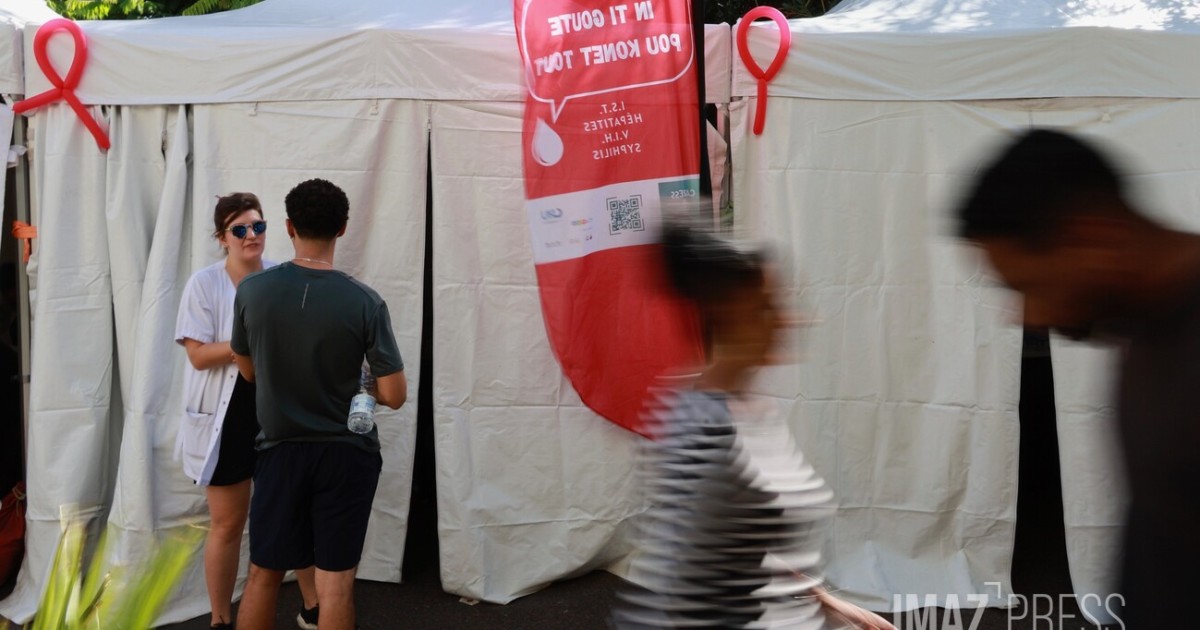
- Mobile testing units: Organizations like Réunion Sida have deployed vans equipped with rapid HIV tests to remote areas, including the southern Mafate region, where access to healthcare is limited.
- Peer education: Trained community members, many of whom are people living with HIV, are leading workshops in schools, workplaces, and nightlife venues to dispel myths and promote safe practices.
- Digital campaigns: Social media initiatives, particularly on platforms like Instagram and TikTok, are targeting younger audiences with messages about PrEP (pre-exposure prophylaxis) and regular testing.
- Partnerships with influencers: Local celebrities and athletes are being enlisted to share their stories and advocate for HIV awareness, leveraging their reach to cut through stigma.
One standout example is the “Réunion Sans Sida” initiative, launched in 2023 by a coalition of NGOs, the ARS, and the regional council. The campaign aims to reduce new infections by 30% by 2028 through targeted testing and education. Early results show promise: in 2024, the campaign facilitated over 12,000 additional HIV tests compared to the previous year (Réunion.fr).
Looking Ahead: What Needs to Change?
Experts agree that addressing Réunion’s HIV normalization requires a multi-pronged approach:
- Strengthening school curricula: Comprehensive sexual health education must be integrated into Réunion’s education system, with age-appropriate lessons on consent, transmission, and stigma.
- Expanding PrEP access: While PrEP is available in Réunion, its uptake remains low. Simplifying prescription processes and reducing costs could help.
- Improving data transparency: More granular, publicly available data on HIV trends—broken down by age, gender, and region—would help tailor interventions.
- Addressing healthcare disparities: Rural and low-income communities must have equitable access to testing, treatment, and support services.
- Combating stigma: Public awareness campaigns must challenge the narrative that HIV is “no big deal,” emphasizing the lifelong commitment required for management.
Dr. Dubois emphasizes that the solution lies in prevention, not just treatment. “People can’t wait for people to get sick to act,” he said. “Every late diagnosis is a preventable tragedy.”
What You Can Do
If you’re visiting or living in Réunion, here’s how you can contribute to the fight against HIV:
- Get tested regularly, especially if you’re sexually active. Testing is free and confidential at public health centers.
- Support local NGOs like Solidarité Sida or Réunion Sida through donations or volunteer work.
- Share accurate information on social media—correct misconceptions without spreading fear.
- Advocate for better sexual health education in Réunion’s schools.
Next Steps: What’s on the Horizon?
The next critical checkpoint for Réunion’s HIV response is the 2026 Regional Health Plan, which will outline funding and priorities for the next five years. The ARS is expected to release a draft in September 2026, with public consultations scheduled for October. This plan will determine whether Réunion can meet its “Réunion Sans Sida” targets or if additional measures are needed.

In the meantime, local activists are ramping up their efforts. “We’re not giving up,” said Martin. “This is a marathon, not a sprint. But every test, every conversation, every person reached is a step forward.”
For those following this story, the ARS Réunion will publish its annual HIV report in November 2026, providing updated data on testing, diagnoses, and treatment outcomes. Stay tuned for further developments—and consider sharing this article to raise awareness.
Have you or someone you know been affected by HIV in Réunion? Share your story in the comments below or contact Solidarité Sida for support.
Dr. Helena Fischer is a physician and health journalist with a decade of experience in internal medicine and science communication. Her work focuses on public health challenges in underserved regions, with a particular interest in how cultural and systemic factors shape disease trends.