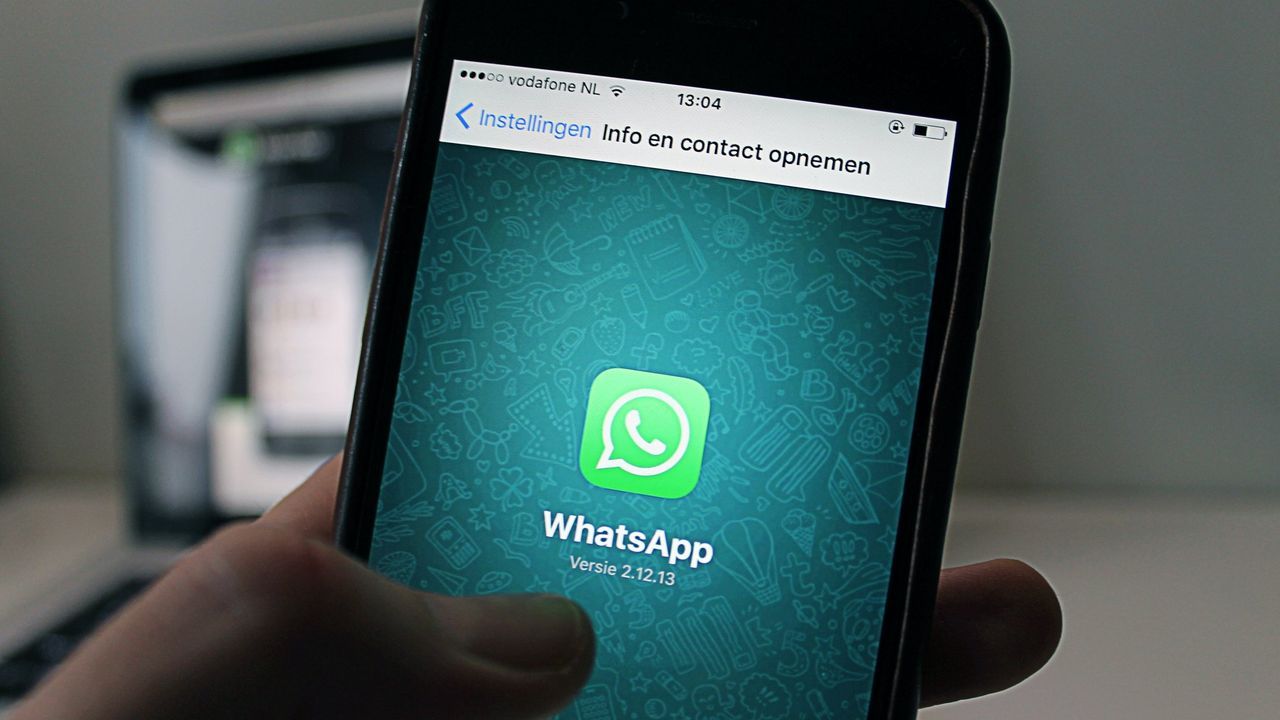
A Spanish court in Vigo has delivered a landmark ruling in a high-profile breakup case involving a tech entrepreneur, denying his former partner compensation after he allegedly ended their relationship over a private message on WhatsApp. The decision has sparked debate about digital evidence in personal disputes and the legal weight of private communications in Spain’s civil courts. While the specifics of the case remain under legal confidentiality, the ruling underscores how messaging apps are increasingly shaping legal outcomes in intimate partner disputes.
The case centers on a former couple—one a technology executive, the other a professional in an unrelated field—whose relationship reportedly dissolved after a WhatsApp exchange. The judge ruled that the messages, while emotionally damaging, did not constitute sufficient grounds for financial compensation under Spanish civil law. Legal experts say the decision reflects broader trends in European courts, where judges are increasingly scrutinizing the admissibility of digital evidence in private disputes.
WhatsApp, owned by Meta, has become a focal point in such cases due to its end-to-end encryption and lack of built-in audit trails, raising questions about how courts can verify the authenticity of messages. In this instance, the Vigo court’s decision suggests that without corroborating evidence—such as witness testimony or additional documentation—the weight of WhatsApp messages alone may not be enough to justify legal remedies. The ruling also highlights the challenges of applying traditional legal standards to digital communication, where context and intent can be easily misinterpreted.
Legal Precedent or Overreach? How Spanish Courts Are Handling Digital Evidence
The Vigo ruling is not an isolated incident. Across Spain, courts are grappling with how to treat digital communications in civil cases, particularly those involving emotional distress or breach of contract claims. In 2022, a Madrid court awarded €50,000 to a plaintiff after screenshots of abusive messages were deemed admissible evidence in a domestic violence case (El Mundo). However, the Vigo decision suggests a more cautious approach when the dispute lacks broader legal or criminal implications.

Spanish civil law, as codified in the Civil Code, typically requires proof of “serious moral or economic damage” for compensation claims. The Vigo judge appears to have determined that the WhatsApp messages, while hurtful, did not meet this threshold. Legal scholars note that the ruling could set a precedent for how courts evaluate digital evidence in future cases, particularly as messaging apps evolve to include features like message expiration or self-destructing chats.
Why This Case Matters Beyond Vigo
The case also raises broader questions about privacy and digital forensics. WhatsApp’s encryption means that even if messages are preserved, they cannot be independently verified without access to the sender’s device—a practical hurdle for plaintiffs seeking compensation. This legal gray area has led some Spanish lawyers to advise clients against relying solely on digital evidence in personal disputes, instead pursuing alternative remedies like mediation or restraining orders.

For tech-savvy individuals, the ruling serves as a cautionary tale about the permanence of digital communication. While WhatsApp messages may feel private, they can resurface in legal proceedings, potentially with unintended consequences. The case also highlights the need for clearer legal guidelines on how digital evidence should be handled in civil courts, where the stakes are often personal rather than criminal.
What Happens Next? The Future of Digital Evidence in Spanish Courts
Legal experts anticipate that appeals or similar cases will continue to test the boundaries of digital evidence in Spain. The Vigo ruling may encourage more plaintiffs to seek additional forms of proof—such as witness statements or expert testimony on digital forensics—to strengthen their cases. Meanwhile, tech companies like Meta may face increasing pressure to provide clearer guidelines on how their platforms’ features (such as message archiving or screen-sharing capabilities) interact with legal proceedings.
For now, the case remains a reminder that even in the digital age, legal outcomes still hinge on traditional standards of evidence. As courts adapt to new technologies, the line between private communication and admissible proof continues to blur—a challenge that will likely play out in courtrooms across Europe in the years to come.
Key Takeaways: What This Ruling Means for You
- Digital evidence alone may not be enough: Spanish courts are increasingly skeptical of standalone WhatsApp messages without corroborating proof.
- Privacy risks persist: Even encrypted messages can be used in legal disputes, emphasizing the need for caution in digital communication.
- Alternative remedies exist: Mediation or restraining orders may offer stronger legal recourse than compensation claims in personal disputes.
- Legal clarity is evolving: Expect more court rulings on digital evidence as technology and law intersect.
The next step in this case, if either party appeals, would likely involve higher courts in Galicia or even Spain’s Supreme Court. For updates, readers can monitor official court filings through the Spanish Judicial Power website or consult with local legal experts. Meanwhile, the broader implications of this ruling will continue to unfold as digital communication reshapes personal and legal boundaries.
What are your thoughts on this case? Should digital messages carry more weight in civil courts, or is the Vigo ruling a necessary safeguard? Share your perspective in the comments below or join the discussion on our social channels.
Related reading