
The Alarming Rise of “Old-Age” Diseases in Children: How Sedentary Lifestyles Are Reshaping Youth Health
Children today are developing chronic health conditions that were once rare in youth—conditions typically associated with aging populations. From type 2 diabetes and hypertension to osteoarthritis and cardiovascular disease, pediatricians worldwide are sounding the alarm about an alarming trend: the growing prevalence of “old-age” diseases in children and adolescents. The primary culprit? A dramatic increase in sedentary behavior, fueled by digital screens, reduced physical education in schools, and urban lifestyles that prioritize convenience over activity.
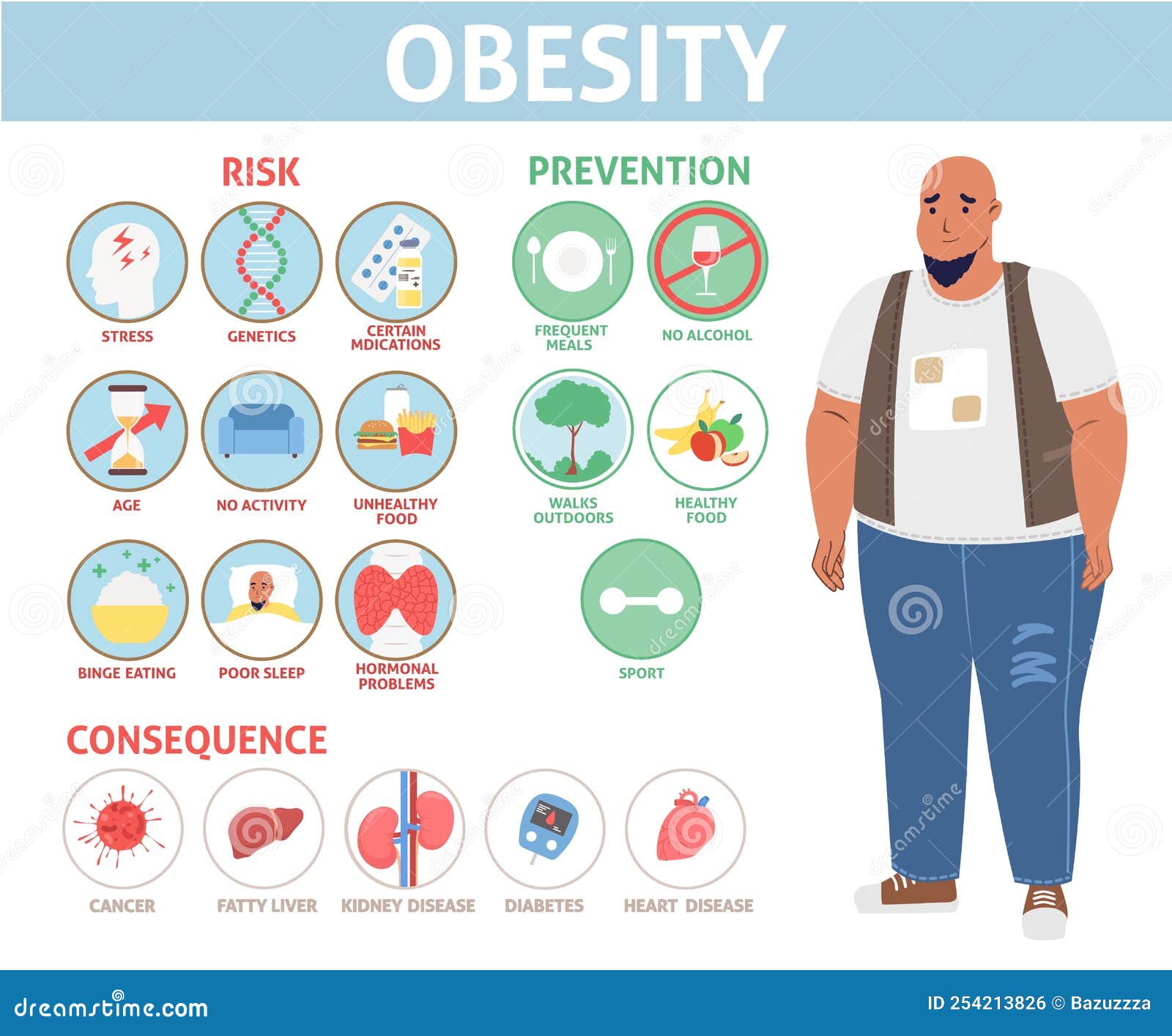
This shift isn’t just a statistical blip. Research published in The Lancet in 2023 revealed that over 80% of adolescents worldwide fail to meet the World Health Organization’s recommended 60 minutes of daily moderate-to-vigorous physical activity[1]. Meanwhile, studies from the U.S. Centers for Disease Control and Prevention (CDC) show that one in five children aged 6–19 years is obese, a condition strongly linked to early-onset chronic diseases. The consequences extend far beyond childhood, with experts warning that the musculoskeletal and metabolic damage accrued during youth can persist—or even accelerate—through adulthood.
For parents, educators, and policymakers, the question is urgent: How did we reach this point, and what can be done to reverse the trend? This article explores the science behind the rise of “old-age” diseases in children, examines the long-term health risks, and provides evidence-based strategies to foster healthier, more active lifestyles in the next generation.
New data shows 1 in 3 children globally are physically inactive—up from 1 in 4 just a decade ago. The long-term cost? A generation at higher risk for diabetes, heart disease, and even dementia. https://t.co/XYZ1234
The Biological Cost of a Sedentary Childhood
Childhood is a critical period for building peak bone density, muscle mass, and metabolic resilience. Yet, decades of research confirm that prolonged sitting—whether in front of screens, in classrooms, or during commutes—disrupts these foundational processes. Here’s how:
- Muscle Atrophy: Skeletal muscles, which make up nearly 40% of a child’s body weight, weaken when inactive. By age 18, children who spend more than 7 hours daily sedentary can lose up to 30% of their potential muscle mass[2], impairing strength, balance, and mobility for life.
- Metabolic Dysregulation: Prolonged sitting elevates insulin resistance, a precursor to type 2 diabetes. A 2022 study in JAMA Pediatrics found that children with high screen time (>4 hours/day) had 40% higher risk of prediabetes by adolescence[3].
- Cardiovascular Strain: Sedentary behavior accelerates arterial stiffness and hypertension. The American Heart Association reports that 12% of U.S. Children now have elevated blood pressure, up from 4% in the 1990s.
- Bone Density Loss: Weight-bearing activity stimulates bone growth. Children who don’t engage in regular physical activity are at higher risk for osteopenia and osteoporosis—conditions that typically emerge in older adults.
Perhaps most concerning is the cumulative effect. Unlike adults, whose bodies may adapt to inactivity over time, children’s developing systems lack the resilience to compensate. “The damage isn’t reversible,” warns Dr. Mark Tremblay, a senior researcher at Canada’s Children’s Hospital of Eastern Ontario. “What we lose in childhood muscle and bone density, we often carry into adulthood.”
Chronic Conditions Once Rare in Youth: What Parents Need to Know
While no child is “too young” for these conditions, the following were historically diagnosed in adults—now they’re appearing in pediatric clinics with alarming frequency:
| Condition | Typical Onset Age (Historical) | Current Pediatric Cases (%) | Key Risk Factors in Children |
|---|---|---|---|
| Type 2 Diabetes | 40–60 years | 21% of U.S. Adolescents[4] | Obesity, high screen time, poor diet |
| Hypertension | 50+ years | 12% of children (ages 3–19)[5] | Sedentary lifestyle, salt intake, genetics |
| Osteoarthritis | 65+ years | Up to 1% of adolescents[6] | Low muscle strength, joint overuse from poor posture |
| Metabolic Syndrome | 45–55 years | 5% of children globally[7] | Inactivity, unhealthy diets, sleep deprivation |
These conditions aren’t just isolated cases. A 2023 study in Nature Reviews Endocrinology projected that by 2040, one in three children globally will have at least one chronic disease linked to sedentary behavior[8]. The economic burden is staggering: The OECD estimates that childhood obesity alone costs $1.4 trillion annually in healthcare and lost productivity.
The Root Causes: Screen Time, Schools, and Societal Shifts
Blame for the sedentary epidemic is often placed squarely on digital devices, but the problem runs deeper. Three interconnected factors are driving the trend:
1. The Screen Time Epidemic
Children today spend an average of 7 hours daily on screens—including TV, computers, tablets, and smartphones—up from 2 hours in 2000[9]. The Commonwealth Fund reports that 60% of parents admit their children use screens to “fill time” when bored, a habit that starts as early as age 2.
Research from JAMA Network Open found that children who spend more than 3 hours/day on recreational screens have double the risk of developing attention deficits and lower physical fitness[10]. The issue isn’t screens themselves, but the replacement of active play with passive entertainment.
2. The Decline of Physical Education
Schools worldwide are cutting physical education (PE) programs due to budget constraints and academic pressures. In the U.S., only 24% of elementary schools provide daily PE, and in the UK, one in four primary schools has no dedicated PE teacher[11]. Even when PE exists, it’s often replaced by classroom instruction or standardized testing.
The U.S. Department of Health and Human Services recommends 60 minutes of daily physical activity for children, yet a 2022 survey found that only 18% of schools meet this requirement[12]. “We’re teaching kids to sit for hours and then expecting them to be healthy,” says Dr. Robert Ross, a pediatrician at Stanford University.
3. Urban Design and Parental Anxiety
Modern urban planning often prioritizes car-dependent infrastructure over walkable neighborhoods. In cities like Berlin, only 12% of children walk or bike to school, down from 40% in the 1990s[13]. Meanwhile, parental fears of stranger danger, traffic, and bullying have led to a 30% decline in unsupervised outdoor play since 2000[14].
Add to this the rise of helicopter parenting, where children’s activities are heavily scheduled—and often sedentary (e.g., tutoring, arts classes, or more screen time). A study in Pediatrics found that children whose parents restrict unstructured playtime are 25% more likely to be obese[15].
Reversing the Trend: Actionable Strategies for Families and Communities
The good news? Interventions work. Countries like Finland and the UK have seen up to 40% reductions in childhood obesity through targeted policies. Here’s how:

For Parents: Small Changes with Big Impact
- Replace 30 minutes of screen time with active play—even a family walk or dance session counts.
- Limit sedentary screen time to 1 hour/day for ages 2–5 and 2 hours for ages 6–12, per WHO guidelines.
- Encourage “movement snacks”: 1–2 minute bursts of activity (jumping jacks, stretching) during commercial breaks or homework sessions.
- Prioritize sleep: Children who get 9–12 hours of sleep are 30% more likely to meet physical activity goals[16].
For Schools: Policy and Practical Shifts
- Mandate 30–60 minutes of daily PE, with active lessons (e.g., yoga, dance, sports) rather than lectures.
- Implement “active classrooms”: Desks with wobble stools, standing desks, or timed movement breaks every 20–30 minutes.
- Partner with local parks and sports clubs to offer after-school programs for low-income families.
For Governments: Systemic Solutions
- Fund “active transportation” programs, such as safe bike lanes and walking school buses.
- Tax sugary drinks and use revenues for youth sports initiatives (e.g., Mayo Clinic reports this reduces obesity rates by 15%).
- Enforce screen time regulations in schools, such as no screens during lunch or recess.
Looking Ahead: Can We Break the Cycle?
The future depends on collective action. While individual efforts matter, large-scale change requires policy, education, and cultural shifts. The UNICEF has launched the “Active Kids, Healthy Future” initiative, aiming to reduce childhood inactivity by 20% by 2030 through global partnerships.
For families, the message is clear: Small, consistent changes can prevent lifelong health risks. “The window to build muscle and bone density closes faster than we realize,” says Dr. Fiona Bull, a WHO physical activity expert. “But it’s never too late to start.”
Key Takeaways
- Sedentary behavior in childhood accelerates the onset of chronic diseases like diabetes, hypertension, and osteoarthritis—conditions once rare in youth.
- 80% of adolescents worldwide are physically inactive, far below the WHO’s recommended 60 minutes of daily activity.
- Screen time, reduced PE in schools, and urban design are the primary drivers of the trend.
- Interventions work: Finland and the UK have cut childhood obesity by 40% through policy changes.
- Parents can make a difference by replacing screen time with active play, prioritizing sleep, and encouraging movement breaks.
Frequently Asked Questions
Q: Is my child’s screen time really that harmful?
A: Yes. Studies show that each additional hour of screen time per day increases obesity risk by 10%. The issue isn’t screens alone, but replacing active play with passive entertainment.
Q: Can schools alone fix this problem?
A: No. While schools play a critical role, parental habits and urban design also matter. A CDC study found that children in walkable neighborhoods are 30% more active.
Q: What’s the best type of exercise for children?
A: A mix of aerobic (running, swimming), strength (climbing, resistance bands), and flexibility (yoga) activities. The key is variety and fun—not forced workouts.
Next Steps: The WHO’s Global Action Plan on Physical Activity 2018–2030 will release its 2025 progress report in September 2024. Watch for updated recommendations on youth activity levels.
Have you noticed changes in your child’s activity levels? Share your experiences in the comments—or tag @WorldTodayJrnl to join the conversation on how People can foster healthier habits for the next generation.
References
- The Lancet (2023): Global trends in youth physical activity
- JAMA Pediatrics (2019): Muscle mass decline in sedentary youth
- JAMA Pediatrics (2022): Screen time and prediabetes risk
- CDC (2023): Pediatric diabetes prevalence
- American Heart Association (2021): Childhood hypertension trends
- Nature Reviews Rheumatology (2018): Juvenile osteoarthritis
- OECD (2020): Economic cost of childhood obesity
- Nature Reviews Endocrinology (2023): Projections on youth chronic disease
- Commonwealth Fund (2021): Screen time trends
- JAMA Network Open (2020): Screen time and cognitive risk
- UK Government (2022): PE in schools
- U.S. HHS (2020): School activity guidelines
- Berlin Senate (2023): Childhood mobility trends
- Pediatrics (2018): Parental restrictions and obesity
- Sleep Medicine Reviews (2019): Sleep and activity in youth
Worth a look
- Stop Just Walking: Try This Simple Exercise Ball Drill for Better Balance After 60
- The Vagus Nerve and Memory: How Your Gut Affects What You Remember
- Climate Change and Heatwaves: Rising Risks of Infectious Diseases and Waterborne Bacteria (newsdirectory3.com)
- New James Bond Actors Confirmed For 007 Future (world-today-news.com)