
In the world of high-performance automotive sales, it is almost unheard of for a specialized sports car to dominate a national market. Typically, the top of the sales charts is the exclusive territory of practical hatchbacks, versatile SUVs, or budget-friendly city cars. However, the automotive landscape in 2025 delivered a surprising anomaly, proving that even in the most niche segments, brand loyalty and iconic engineering can defy conventional market trends.
The Porsche 911, a vehicle synonymous with precision engineering and rear-engine heritage, secured the top spot as the most sold car in Andorra for 2025. This achievement highlights a unique intersection of local demographics, enthusiast culture, and the enduring appeal of one of the most recognizable silhouettes in automotive history. While global sales figures for the manufacturer remain diverse across its international model range, the performance of the 911 in this specific market serves as a fascinating case study in automotive consumer behavior.
Understanding the Market Context
To understand why a sports car would reach the pinnacle of sales in a specific territory, the operational environment. Andorra, a microstate nestled in the Pyrenees between France and Spain, possesses a unique economic and geographic profile. The Porsche brand ecosystem, which encompasses a wide variety of vehicles ranging from the Macan SUV to the all-electric Taycan, usually sees its higher-volume models leading the charge in larger nations. The 911’s status as a volume leader in Andorra is not merely a statistical outlier; it is a reflection of local purchasing power and the specific utility of a high-performance sports car in a mountainous, affluent region.
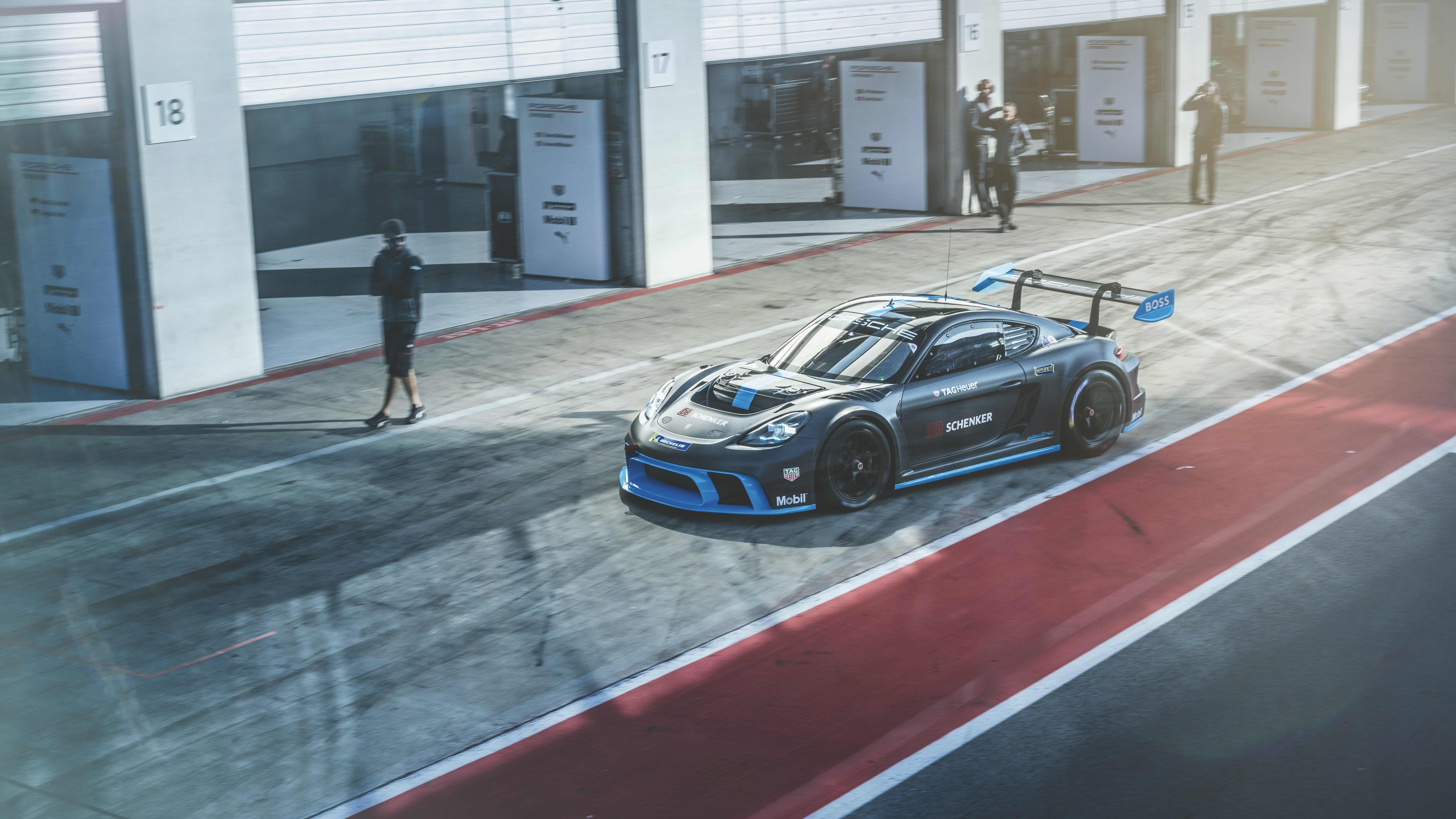
The Porsche 911 is currently offered in multiple configurations, including the high-performance 911 GT3 S/C. These vehicles are engineered for a specific driving experience, characterized by significant power output and, in the case of the GT3 S/C, a combined fuel consumption of 13.7 l/100 km and CO₂ emissions of 310 g/km. For the average consumer, these figures represent a specialized investment rather than a daily commuter, yet the market in Andorra has clearly embraced the model with enthusiasm throughout the 2025 calendar year.
The Evolution of the Porsche Lineup
The success of the 911 in this market occurs against the backdrop of a broader industry shift toward electrification. Porsche has been aggressively expanding its footprint in this sector, with models like the Macan Electric and the Taycan Cross Turismo leading the charge. The Macan Electric, for instance, boasts efficient energy consumption ranging between 19.3 – 16.7 kWh/100 km, signaling the brand’s commitment to balancing traditional performance with modern environmental standards.
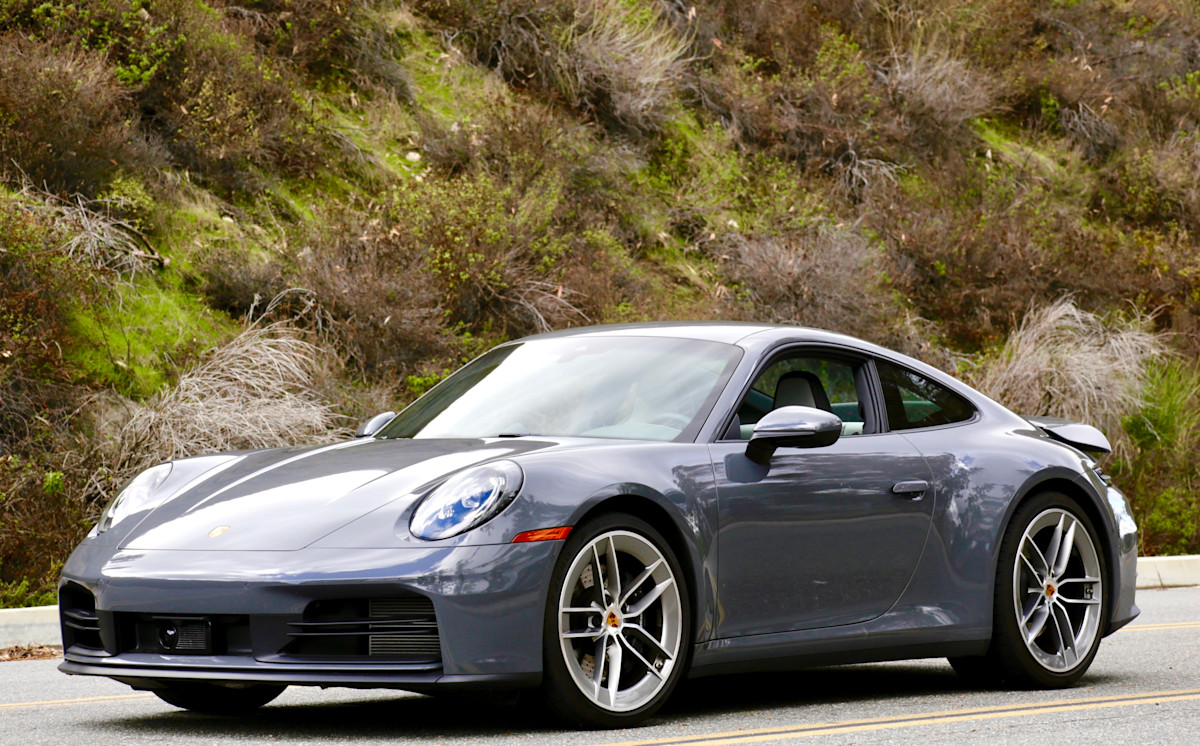
Despite this pivot toward electric mobility, the 911 remains the spiritual anchor of the Porsche brand. The “iconic sports car with rear engine” continues to attract buyers who value the mechanical engagement that only a traditional internal combustion engine can provide. Whether it is the classic layout or the advancements made in recent iterations, the 911’s ability to remain a best-seller in any market suggests that the “dream Porsche” remains a powerful motivator for automotive enthusiasts worldwide.
What This Means for the Industry
The fact that the 911 claimed the top spot in Andorra in 2025 provides several key insights for industry analysts:
- Niche Market Dominance: High-end luxury sports cars can achieve volume leadership in markets with high per-capita wealth and specific driving terrain.
- Brand Resilience: The transition to electric vehicles, while critical for the brand’s long-term strategy, has not cannibalized the demand for the internal combustion engine legacy models.
- Geographic Specificity: Global trends do not always translate to local realities, and smaller markets can often reveal the true strength of a brand’s flagship model.
For Porsche centers globally, the goal remains the same: making it easy for customers to find their dream vehicle. Whether a buyer is looking for the luxury of a Panamera or the versatility of a Cayenne, the brand continues to leverage its extensive network to cater to diverse needs. As we move into the latter half of the decade, it will be interesting to monitor if this trend in Andorra is an isolated incident or a sign of a shifting preference among luxury car buyers who are increasingly prioritizing performance and status over mass-market utility.
We invite our readers to share their thoughts on this development. Does the success of the 911 in a national market surprise you, or does it confirm the enduring power of the world’s most iconic sports car? Join the conversation in the comments section below and stay tuned to World Today Journal for further updates on international automotive sales trends.
- All About Zayn Malik: Age, Girlfriend, Children, Songs, and Family
- Best Graphic Novels to Read This Summer: BD Fugue & Dino-Zoo Highlights
- OPPO Find X10 Pro Max May Feature 200MP OmniVision Sensor for Zoom Performance (archyworldys.com)
- Trump’s Luxury Air Force One: Rushed Retrofit Raises Safety and Cost Concerns (archynewsy.com)