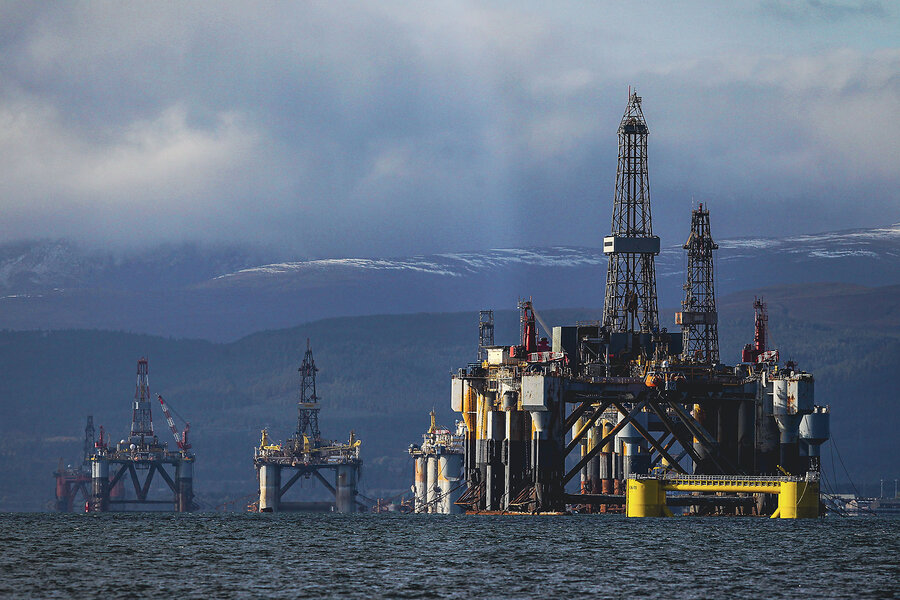
As the United Kingdom grapples with the economic aftershocks of global geopolitical instability, a contentious debate has reignited regarding the nation’s energy strategy. British politicians continue to push for expanded North Sea drilling, positioning the move as a critical lever to lower energy costs and bolster domestic supply. However, the economic reality of these proposals remains a subject of intense scrutiny, with experts and policymakers questioning whether domestic fossil fuel extraction can truly insulate households from the volatility of international commodity markets.
The core of the issue lies in the interplay between global oil prices and the localized production of energy. While proponents argue that increasing the number of active licenses in the North Sea will enhance energy security, analysts point to the disconnect between regional extraction and the pricing mechanisms that govern the global energy trade. As the UK government’s energy security strategy emphasizes, the transition toward a more resilient power grid is increasingly reliant on diversifying sources beyond traditional hydrocarbons.
The Economic Reality of North Sea Production
The argument that more drilling in the North Sea will significantly lower energy bills for the average consumer faces a complex hurdle: the global nature of the oil and gas market. Prices are determined by international supply and demand dynamics, meaning that oil and gas extracted from the North Sea are typically sold at market rates rather than at a discount to domestic users. According to the Office for National Statistics, the impact of domestic production on retail energy pricing is often mediated by global indices, leaving limited room for localized price reductions regardless of production volume.
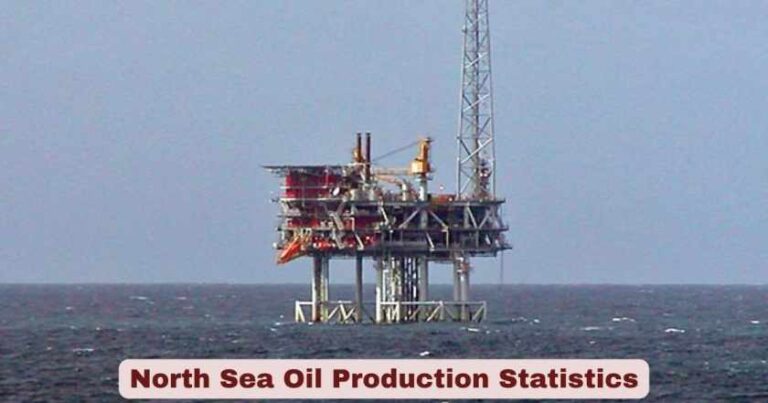
the timeline for new infrastructure is extensive. Bringing a new field from the exploration phase to full production can take years, if not decades, rendering it an ineffective tool for addressing immediate price spikes caused by current geopolitical tensions. Policymakers are tasked with balancing the immediate demands for cheaper energy with the long-term commitments to carbon reduction targets, as outlined in the Climate Change Act 2008.
Energy Security and the Transition Path
The push for new drilling often encounters opposition from those advocating for an accelerated shift toward renewable energy. Research into the labor market and energy infrastructure suggests that the long-term economic future of the UK energy sector lies in offshore wind, carbon capture, and hydrogen technology. The Climate Change Committee has consistently advised that meeting the UK’s net-zero commitments necessitates a fundamental change in how the nation generates power, moving away from a reliance on fossil fuels that are subject to supply chain disruptions.
This transition is not merely an environmental imperative but an economic one. By investing in renewable infrastructure, the UK aims to reduce its exposure to the price volatility inherent in global fossil fuel markets. This shift is expected to create thousands of jobs, though the transition period presents challenges for workers currently employed in the oil and gas sector. Ensuring a “just transition” remains a primary focus of current parliamentary discussions, as the government seeks to balance industrial heritage with future-proof economic growth.
Key Considerations for Energy Policy
- Market Interconnectivity: North Sea oil and gas are traded on global markets, meaning domestic production does not equate to domestic price control.
- Lead Times: New drilling projects involve significant capital expenditure and long lead times, providing little relief for short-term price volatility.
- Net-Zero Commitments: The UK remains legally bound by its climate targets, which influence the approval process for new extraction licenses.
- Renewable Diversification: Investment in wind, solar, and nuclear power is currently viewed by many economists as the most effective path toward long-term energy price stability.
What Happens Next?
The debate over North Sea licensing is expected to continue as the government reviews its energy policy framework in light of ongoing international developments. Stakeholders, including energy companies, environmental organizations, and consumer advocacy groups, are awaiting the next official report from the Office of Gas and Electricity Markets (Ofgem), which will provide further clarity on the trajectory of energy costs for the coming year.
For citizens concerned about rising costs, official resources remain the best place to monitor updates on support schemes and energy price caps. As we move through the year, keeping an eye on parliamentary debates and government policy papers will be essential for understanding how the UK navigates the fine line between energy independence and sustainable growth. We encourage our readers to share their perspectives on this evolving issue in the comments section below as we continue to track these developments.