
Israel Orders Evacuation of Nabatieh, Southern Lebanon’s Largest City—As War Escalates
The Israeli military has issued an urgent evacuation order for residents of Nabatieh, Lebanon’s fifth-largest city and a strategic hub in the south, as tensions between Israel and Hezbollah reach a critical juncture. The directive, announced on May 27, 2026, affects 19 towns and villages in southern Lebanon, including Nabatieh, and instructs civilians to relocate north of the Litani River—a move that risks deepening the humanitarian crisis in an already devastated region.
The evacuation follows a prolonged period of military escalation since Israel’s October 2023 war with Hamas, which has since expanded into a broader conflict with Hezbollah. Nabatieh, a city of approximately 120,000 people and the capital of Lebanon’s Nabatieh Governorate, has been a focal point for Hezbollah operations and has endured repeated airstrikes since March 2026. The latest order comes as Israel accuses Hezbollah of escalating attacks across the Shebaa Farms border area, including rocket fire and cross-border incursions.
The evacuation directive marks a significant escalation in Israel’s military strategy, which has increasingly targeted civilian infrastructure in southern Lebanon. While Israel cites “security concerns” and the need to “protect civilians from potential retaliation”, Hezbollah and Lebanese officials have condemned the move as a “collective punishment” and a violation of the April 17, 2026 ceasefire agreement—which both sides have repeatedly violated.
Why Nabatieh? The Strategic and Humanitarian Stakes
Nabatieh’s geopolitical significance cannot be overstated. Located in Lebanon’s Jabal Amel region, it serves as a logistical and administrative center for Hezbollah, which maintains military outposts, training camps, and supply routes in the surrounding areas. The city’s 1,097 km² area also makes it a symbolic target—its fall would deal a severe blow to Hezbollah’s operational capabilities in southern Lebanon.
Humanitarian consequences are already severe. The United Nations has warned that over 100,000 civilians have been displaced since March 2026, with hospitals, schools, and water treatment plants damaged or destroyed. The evacuation order risks further destabilizing an already fragile population, many of whom have nowhere to go as northern Lebanon’s infrastructure is also strained.
Key verified details:
- Date of evacuation order: May 27, 2026 (Al Jazeera).
- Affected areas: 19 towns/villages, including Nabatieh, Marjayoun, and parts of Tyre (Reuters).
- Ceasefire violations: Both Israel and Hezbollah have repeatedly breached the April 17 truce, with Israel conducting over 1,200 airstrikes in southern Lebanon since March (UN OCHA Lebanon).
Escalation or De-escalation? The Ceasefire’s Fragile State
The April 17 ceasefire, brokered after intense diplomatic pressure from the U.S., Russia, and regional actors, was intended to “de-escalate tensions”. Yet, both sides have systematically undermined it. Israel’s military has expanded its “buffer zone” operations, targeting Hezbollah supply routes and military infrastructure in southern Lebanon. Hezbollah, in turn, has continued cross-border attacks, including anti-tank missiles and drone strikes on Israeli positions.
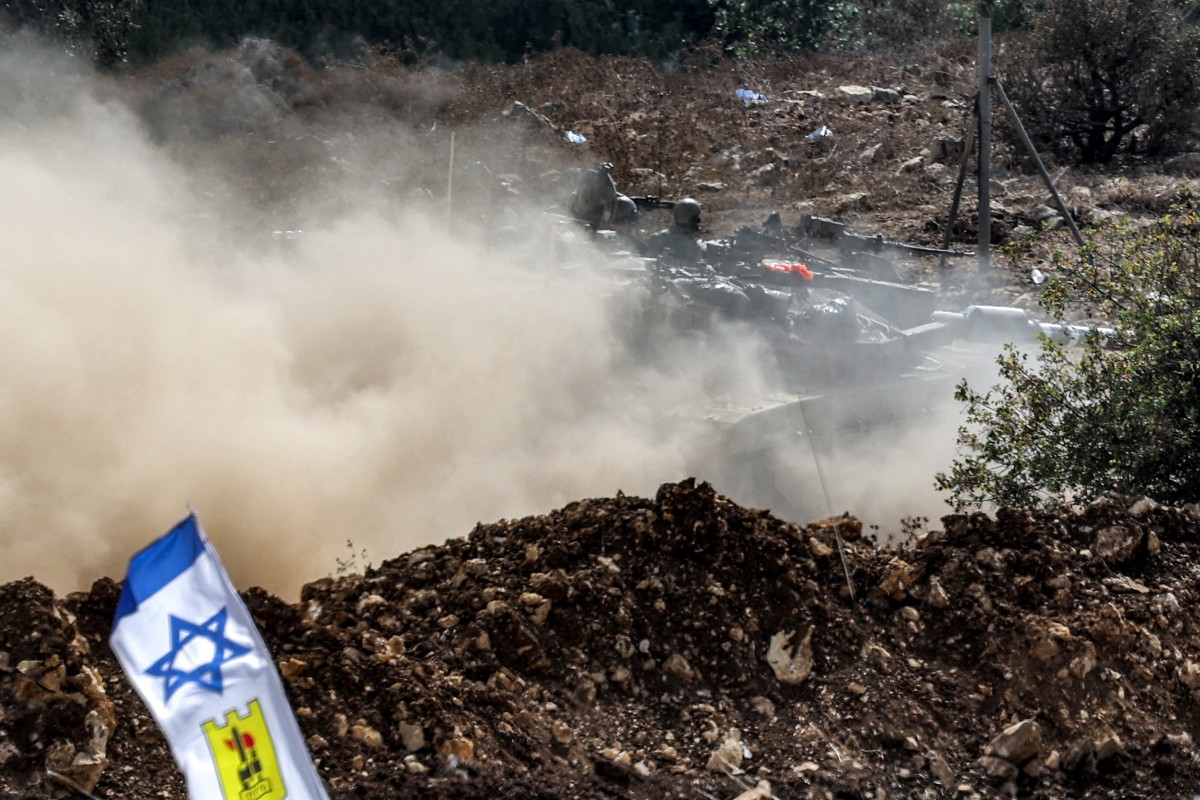
The latest evacuation order suggests Israel may be preparing for a larger offensive, possibly aiming to “dismantle Hezbollah’s southern command”. However, analysts warn that such a move could prolong the conflict, drawing Lebanon deeper into the war and risking regional spillover.
What’s next? Lebanese officials have condemned the evacuation as a “war crime”, while Hezbollah’s political arm has vowed to “defend Lebanese sovereignty”. The U.S. State Department has called for restraint, urging both sides to “return to negotiations”. The next critical checkpoint will be:
- June 5, 2026: Emergency UN Security Council meeting on Lebanon (UNSC schedule).
- Ongoing: Humanitarian aid deliveries to southern Lebanon, coordinated by the UNHCR.
Human Impact: Civilians Caught in the Crossfire
For residents of Nabatieh, the evacuation order is not an abstract directive—it’s a matter of survival. Many have already lost homes, family members, or livelihoods in the past three months. Hospitals in the region, including Jabal Amel Hospital in Tyre, have been severely damaged by airstrikes, leaving medical services severely compromised.
Practical guidance for affected civilians:
- UNHCR evacuation routes: Official UNHCR safety corridors.
- Red Cross medical aid: ICRC emergency contact.
- Lebanese Red Cross hotline: +961 1 370 000 (24/7 assistance).
Key Takeaways: What This Means for Lebanon, Israel, and the Region
- Strategic shift: Israel’s targeting of Nabatieh suggests a long-term campaign to weaken Hezbollah’s southern stronghold, not just a retaliatory strike.
- Humanitarian crisis: Over 100,000 displaced since March 2026, with no end in sight for aid deliveries.
- Ceasefire collapse: Both sides have violated the April truce, raising risks of full-scale war.
- Regional risks: Iran-backed militias in Iraq and Syria may escalate support for Hezbollah, drawing the conflict wider.
- Diplomatic deadlock: The U.S. And Russia are unable to enforce compliance, leaving Lebanon as a proxy battleground.
How to Follow Updates
For real-time developments, monitor:
- UN OCHA Lebanon: Humanitarian updates.
- Reuters Middle East: Breaking news.
- Lebanese Ministry of Health: Medical emergency alerts.

Worth a look