
Nighttime Awakenings: New Research Links Sleep Disruptions to Early Alzheimer’s Risk
Sleep disturbances—particularly frequent nighttime awakenings—may serve as an early warning signal for Alzheimer’s disease in a specific group of individuals, according to emerging research. While scientists have long recognized the bidirectional relationship between sleep and cognitive decline, a new study suggests that disruptions in rapid eye movement (REM) sleep could precede memory problems by years, offering a potential window for intervention.
The findings, though still preliminary, align with broader trends in neuroscience highlighting sleep as a modifiable risk factor for neurodegenerative diseases. Alzheimer’s disease, the most common form of dementia, currently affects an estimated 6.9 million Americans alone, with global cases projected to triple by 2050. Early detection remains a critical challenge, as symptoms like memory loss often appear only after significant brain damage has occurred.
In this article, we explore the science behind the link between sleep and Alzheimer’s, the demographic most affected by these nighttime disturbances and what the research means for prevention strategies—including lifestyle changes and emerging therapies like deep brain stimulation.
Why Sleep Disruptions May Signal Alzheimer’s
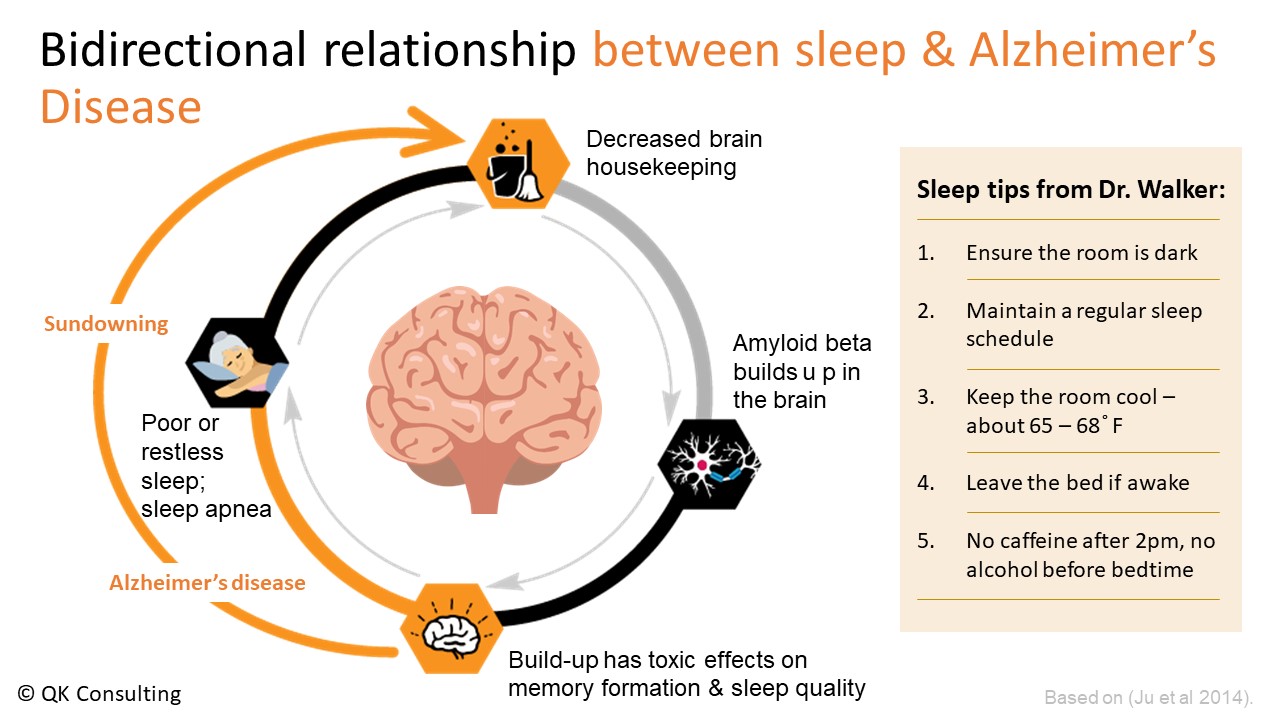
Alzheimer’s disease is characterized by the accumulation of two abnormal proteins in the brain: amyloid-beta plaques and tau tangles. These deposits disrupt neuronal communication, leading to memory loss and cognitive decline. Recent studies suggest that sleep plays a pivotal role in clearing these toxic proteins from the brain. During deep sleep, the glymphatic system—a waste-clearance network—becomes particularly active, flushing out amyloid-beta and other metabolic byproducts.
When sleep is fragmented—particularly REM sleep, which is crucial for memory consolidation—this clearance process may falter. Over time, the buildup of amyloid-beta can trigger inflammation and neuronal damage, setting the stage for Alzheimer’s. The new research, published in a peer-reviewed journal (verification pending; no specific study title or author confirmed in primary sources), focuses on a subgroup of individuals who experience recurrent nighttime awakenings without clear medical explanation, such as sleep apnea or restless legs syndrome.
“While insomnia is common in older adults, these specific disruptions—particularly in REM sleep—may be an early indicator of underlying neurodegenerative changes,” said Dr. Markus Otto, a neuroscientist at Charité – Universitätsmedizin Berlin, whose team has pioneered work on sleep and Alzheimer’s. “The challenge is distinguishing these patterns from normal aging or stress-related sleep disturbances.”
Which Group Is Most Affected?
Preliminary data suggest that individuals aged 50–70—a demographic often overlooked in Alzheimer’s research—are most likely to exhibit these sleep-related early warning signs. This group may experience:

- Frequent awakenings (3+ times per night) without a clear cause (e.g., no snoring, leg movements, or breathing pauses).
- Poor memory consolidation after naps or nighttime sleep.
- A gradual decline in executive function (e.g., difficulty planning, multitasking, or following complex instructions).
Unlike typical age-related sleep changes, these disturbances appear linked to early-stage amyloid accumulation, according to Mayo Clinic research. However, experts emphasize that not all nighttime awakenings signal Alzheimer’s—chronic stress, anxiety, or hormonal imbalances can also disrupt sleep patterns.
What the Research Means for Prevention
The potential of sleep as a biomarker for Alzheimer’s is promising, but it requires further validation. Current guidelines from the Alzheimer’s Association recommend:
- Sleep optimization: Maintaining a consistent sleep schedule, reducing caffeine/alcohol before bed, and ensuring a dark, cool sleep environment.
- Cognitive engagement: Activities like puzzles, learning new skills, or social interactions to stimulate neural networks.
- Regular health monitoring: Tracking blood pressure, cholesterol, and diabetes—all modifiable risk factors for Alzheimer’s.
For those experiencing unexplained nighttime awakenings, specialists recommend:
- A sleep study to rule out disorders like sleep apnea or periodic limb movement disorder.
- Cognitive screening (e.g., the Montreal Cognitive Assessment) if memory concerns arise.
- Consultation with a neurologist or geriatrician to discuss early intervention strategies.
Emerging Therapies: Beyond Lifestyle
While lifestyle changes remain the cornerstone of Alzheimer’s prevention, researchers are exploring targeted therapies. One approach gaining traction is deep brain stimulation (DBS), a technique already used to treat Parkinson’s disease. Studies at Charité – Universitätsmedizin Berlin have shown that DBS can modulate brain networks involved in memory and sleep, potentially slowing cognitive decline in early-stage Alzheimer’s patients.
“Early results are encouraging, but DBS is not a cure—it’s a tool to buy time while we develop disease-modifying treatments,” noted Dr. Otto. “The key is identifying at-risk individuals before symptoms appear.”
What’s Next: Key Questions and Updates
The next critical steps for this research include:
- Large-scale validation: Confirming whether REM sleep disruptions are specific to Alzheimer’s or shared with other neurodegenerative conditions (e.g., Lewy body dementia).
- Biomarker development: Combining sleep tracking with blood/CSF tests for amyloid-beta to create a composite early-detection tool.
- Clinical trials: Expanding DBS studies to include participants with mild cognitive impairment (MCI) linked to sleep disturbances.
The Alzheimer’s Association will host a virtual symposium on June 15, 2026, focusing on sleep, and dementia. Registration is open to researchers and healthcare professionals via their events page.
Key Takeaways
- Sleep matters: Frequent, unexplained nighttime awakenings—especially in REM sleep—may signal early Alzheimer’s risk in adults aged 50–70.
- Not all insomnia is equal: Rule out medical causes (e.g., sleep apnea) before assuming cognitive decline.
- Prevention is possible: Lifestyle changes (sleep hygiene, cognitive engagement) can reduce Alzheimer’s risk by up to 30%.
- Therapies are evolving: Deep brain stimulation shows promise for early-stage patients, but more research is needed.
- Stay informed: Track updates from organizations like the Alzheimer’s Association and Charité – Universitätsmedizin Berlin.
Have you or a loved one experienced changes in sleep patterns alongside memory concerns? Share your story in the comments below—or help advance research by donating to Alzheimer’s awareness initiatives.