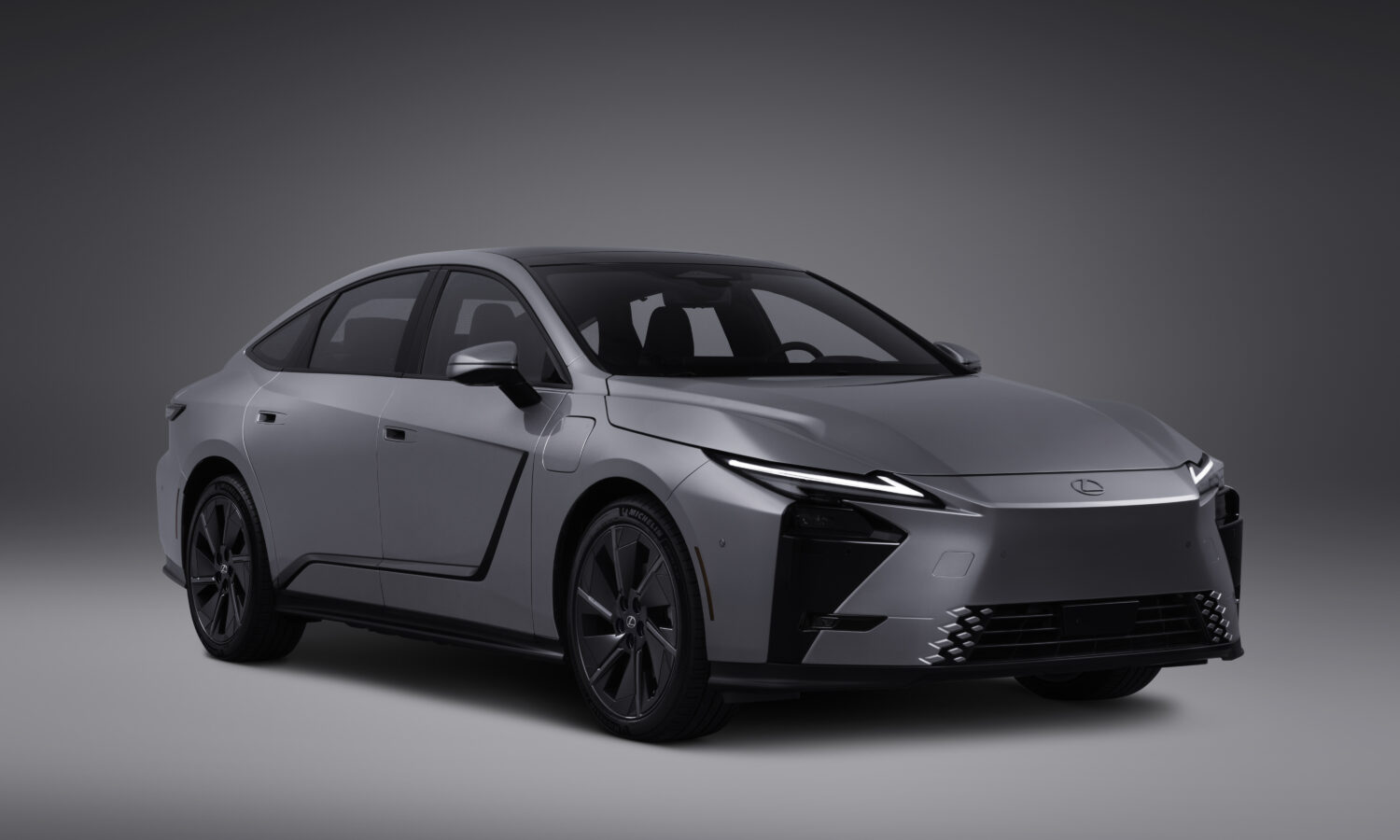
In a move that signals a significant recalibration of its electrification roadmap, Lexus has reportedly canceled plans to bring its highly anticipated LF-ZC electric sedan concept into production. The decision marks a notable shift for the luxury automaker, which had previously positioned the LF-ZC as the cornerstone of its future electric flagship lineup.
The news, first brought to light by a report from Automotive News, comes at a precarious moment for the global automotive industry. As manufacturers across the board grapple with shifting consumer preferences and economic uncertainties, the cancellation of the LF-ZC suggests that even premium brands are being forced to prioritize immediate market stability over ambitious, long-term technological leaps.
The LF-ZC: A Vision of Next-Generation Electrification
Unveiled at the 2023 Tokyo auto show, the LF-ZC was far more than just a concept car; it was intended to be a technological manifesto for Lexus. Designed as an electric flagship, the model was slated for a 2026 production launch and was expected to debut several breakthrough technologies. Central to its appeal was the promise of significantly improved battery technology, specifically much more power-dense battery packs that would redefine the range and performance expectations for luxury electric sedans.
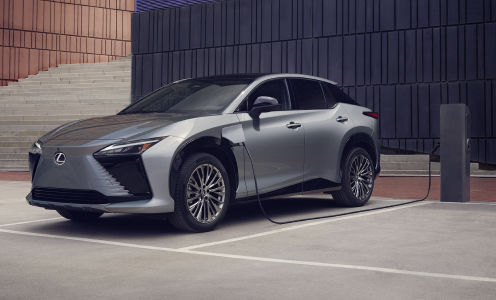
Unlike many current electric vehicles that adapt existing internal combustion engine (ICE) frameworks, the LF-ZC was planned to ride on an entirely new electric architecture. This dedicated platform was intended to optimize space, weight distribution, and efficiency, providing the foundation for a new era of Lexus Battery Electric Vehicles (BEVs).
Strategic Pivots Amidst Market Fluctuations
The decision to scrap the LF-ZC project appears to be a pragmatic response to the current economic climate. According to a spokesperson for Toyota, the cancellation was driven by “fluctuations in market demand and the workload associated with vehicle planning and manufacturing.”

This admission reflects a broader trend within the automotive sector, where several major players are “backpedaling” from aggressive EV investment targets in favor of more cautious, revenue-focused strategies. For Lexus, the cancellation is not an isolated incident but part of a more disciplined approach to resource management.
“We decided to cancel the LF-ZC development project as part of a company-wide review of vehicle development projects,” a Lexus spokesperson told Automotive News. “The cancellation of this specific development project does not mean we have given up on developing next-generation BEVs….”
This “company-wide review” highlights a pivot toward balancing innovation with profitability. By reassessing which projects move from concept to the assembly line, Lexus is attempting to navigate the volatile transition from traditional powertrains to a fully electric future without overextending its manufacturing and financial capabilities.
Architecture vs. Platform: The Path to Profitability
The strategic distinction between the canceled LF-ZC and Lexus’s other recent electric revelations provides a clear window into the brand’s current priorities. Only weeks ago, Lexus revealed the electric TZ, a three-row SUV that follows a fundamentally different development logic.
While the LF-ZC required the high cost and high risk of a brand-new electric architecture, the TZ utilizes Toyota’s existing TNGA-K modular platform. This approach offers several strategic advantages:
- Cost Reduction: Utilizing a modular platform significantly lowers the capital expenditure required for launching a new model.
- Manufacturing Efficiency: Leveraging existing production lines reduces the “workload associated with vehicle planning” cited by Toyota.
- Faster Time-to-Market: Modular platforms allow for a more streamlined path toward profitability and consumer availability.
By prioritizing models like the TZ that can leverage proven, modular architectures, Lexus is ensuring it can maintain a presence in the growing EV segment while mitigating the financial risks associated with pure-play electric development.
| Feature | LF-ZC (Canceled) | Electric TZ (Active) |
|---|---|---|
| Vehicle Type | Electric Flagship Sedan | Three-row Electric SUV |
| Architecture | New, dedicated electric architecture | Toyota TNGA-K modular platform |
| Primary Goal | Technological leadership/Innovation | Profitability and scalable production |
| Status | Development canceled | Revealed/In development |
What This Means for the Future of Lexus BEVs
While the cancellation of a flagship sedan might appear to be a retreat, the official stance from Lexus is one of recalibration rather than abandonment. The brand remains committed to the development of next-generation BEVs, but the roadmap is being rewritten to favor stability and scalable technology over high-risk, ground-up innovations.
For consumers and industry analysts, this shift suggests that the next phase of Lexus electrification will likely be defined by the intelligent integration of new battery technologies into proven, modular platforms. The focus is moving away from “innovation at any cost” toward a model of “sustainable electrification”—ensuring that as the brand moves toward a zero-emission future, it does so on a foundation that is both technologically advanced and economically viable.
Next Checkpoint: Industry analysts will be looking for further official updates from Toyota and Lexus regarding their mid-term electrification targets and any subsequent adjustments to their vehicle development project reviews.
What do you think about Lexus’s decision to prioritize modular platforms over new architectures? Is this a smart move for profitability, or does it risk slowing down innovation? Share your thoughts in the comments below and share this article with your network.
Keep reading