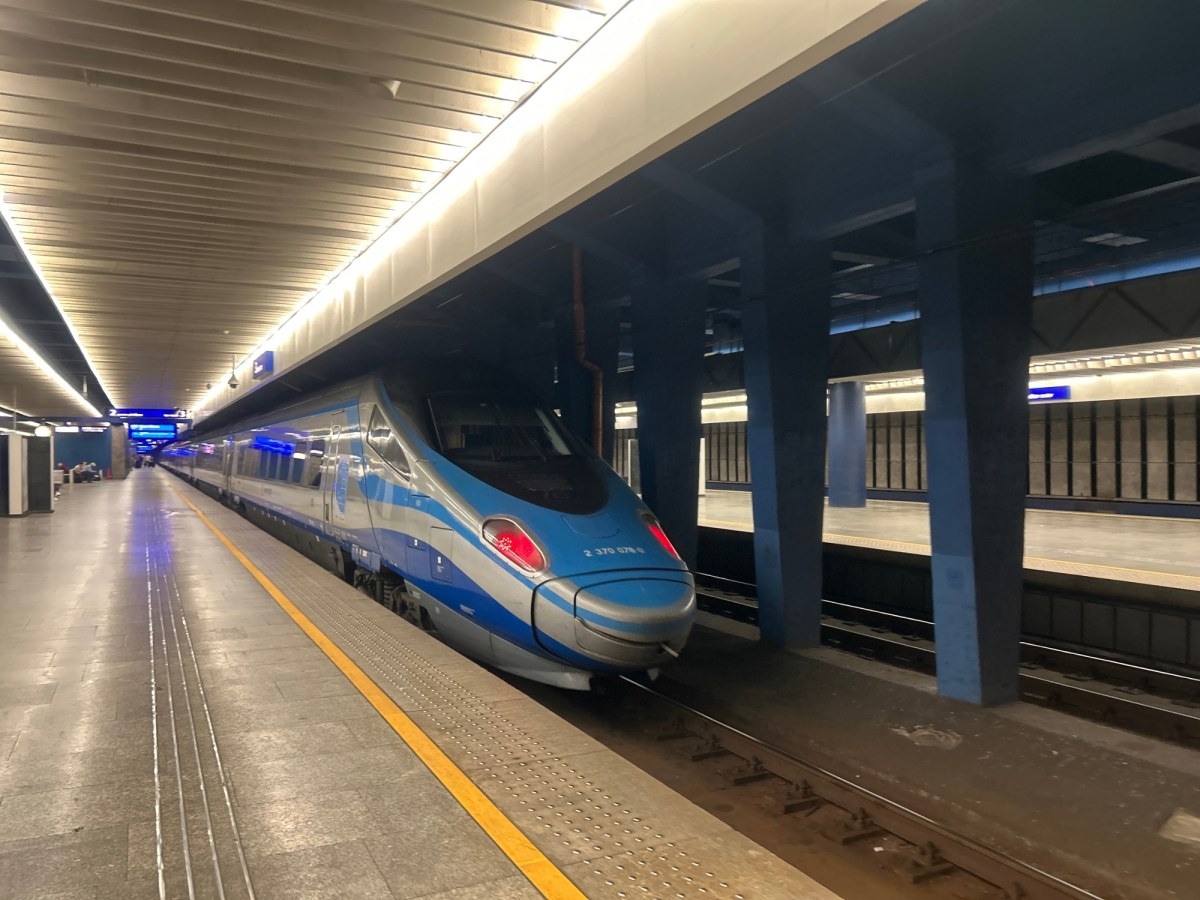
Poland is embarking on one of the most ambitious infrastructure projects in its modern history, signaling a clear shift toward high-speed rail integration within Central Europe. The recent formalization of Port Lotniczy Solidarność (the entity managing the Central Communication Port, or CPK) and its subsidiaries has paved the way for a significant leap in domestic connectivity, with the ultimate goal of supporting trains capable of reaching speeds of 320 km/h on dedicated high-speed rail lines.
As the Chief Editor of the Business section here at World Today Journal, I have tracked the evolution of European rail policy for nearly two decades. The move to introduce 320 km/h high-speed rail in Poland represents more than just a technological upgrade; it is a fundamental restructuring of the country’s transport economy. By establishing a dedicated subsidiary, CPK has confirmed its roadmap for the procurement of advanced rolling stock, a process expected to involve investments exceeding 10 billion Polish zloty (PLN) in the coming years.
The Strategic Pivot to High-Speed Rail
The modernization of the Polish rail network is intrinsically linked to the broader Central Communication Port project—a massive transport hub designed to integrate air, rail, and road infrastructure. The establishment of specialized corporate structures to manage the procurement process highlights the government’s intention to move from planning to execution. According to official government documentation regarding the CPK project, the focus is not merely on speed, but on creating a coherent “hub-and-spoke” system that connects major Polish metropolitan areas with regional hubs in less than two and a half hours.

This investment is significant not only in scale but in its potential to alter the competitive landscape of regional travel. Currently, rail travel between cities like Warsaw, Wrocław, and Poznań remains hampered by legacy infrastructure. The introduction of high-speed units—designed for international technical specifications (TSI)—will allow Poland to align its rail standards with the wider European Union network, facilitating seamless cross-border travel.
Financial Commitments and Procurement Hurdles
The allocation of over 10 billion PLN for rolling stock procurement is a major commitment. Industry analysts note that this figure covers not only the acquisition of the trains themselves but also long-term maintenance contracts, which are essential for high-speed technology. The procurement process is expected to be highly competitive, with global rail giants likely vying for the contract. The tender process, which officials have indicated will begin in the near future, represents a critical milestone for the Polish rail sector, as it marks the first time the country will procure a fleet specifically designed for speeds exceeding 300 km/h on a mass scale.

However, the transition is not without its challenges. Implementing such high-speed standards requires a comprehensive upgrade to existing signaling systems, notably the European Rail Traffic Management System (ERTMS) Level 2. Without these technical prerequisites, the high-speed potential of the new fleet would be severely restricted.
Key Takeaways: What Which means for the Market
- Infrastructure Integration: The rail project is a core component of the wider CPK airport and transit hub initiative.
- Speed Capabilities: The new fleet is being specified to reach operating speeds of 320 km/h, aligning with top-tier European high-speed standards.
- Capital Expenditure: Initial estimates for the rolling stock procurement program are pegged at over 10 billion PLN.
- Technical Standards: Successful implementation relies on the simultaneous deployment of ERTMS Level 2 signaling across the new high-speed rail lines.
What Happens Next: The Road to Implementation
For observers of the European economy, the next few months will be crucial. The formal issuance of tender documents will provide the first concrete details regarding the specific technical requirements for the trains, including seating capacity, energy efficiency ratings, and delivery timelines. Stakeholders are currently awaiting the publication of these requirements by the CPK subsidiary, which will serve as a bellwether for the project’s overall momentum.

While the ambition is clear, the project remains subject to the realities of complex procurement law and the logistical constraints of modernizing a legacy network. As the situation develops, we will continue to monitor the official announcements from the Ministry of Infrastructure regarding the project’s timeline and budgetary adjustments. For those interested in the intricacies of European economic policy and infrastructure development, this project serves as a compelling case study in state-led economic modernization.
What are your thoughts on the future of high-speed rail in Central Europe? Join the conversation in the comments section below or share this analysis with your professional network.
Worth a look