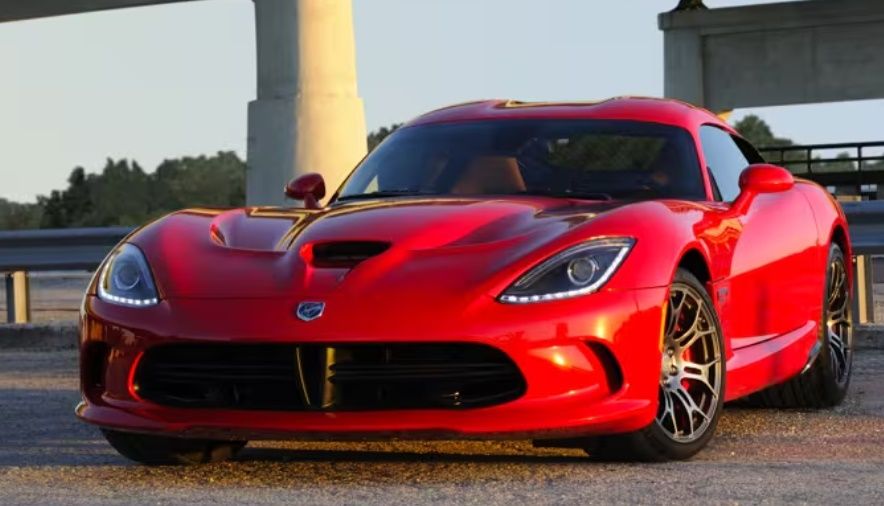
For enthusiasts of American muscle cars, the Dodge Viper remains a singular icon of raw performance, characterized by its signature V10 engine and uncompromising design. However, as the automotive industry accelerates its transition toward electrification and software-defined platforms, the possibility of a modern revival for this legendary nameplate has been firmly dismissed by those at the helm of the brand.
Matt McAlear, the current CEO of the Dodge brand under the Stellantis umbrella, has clarified that there are no active plans to bring back the Viper. In recent industry discussions, McAlear emphasized that the brand’s strategic focus is currently centered on the next generation of performance vehicles, specifically the transition to the new Dodge Charger platform, which includes both electrified and internal combustion variants. For those hoping to see a successor to the V10 beast, the message from leadership is one of finality: the Viper is a relic of a past era, and the company is moving in a different direction.
The Dodge Viper, which saw its final production run conclude in 2017, remains a high-water mark for domestic sports car engineering. Over its 25-year production history, the vehicle underwent several iterations, but it never strayed from its core identity: a lightweight chassis paired with a massive, naturally aspirated engine. As reported by Car and Driver, the final units rolled off the assembly line at the Conner Avenue Assembly plant in Detroit, marking the end of an era for one of the most recognizable silhouettes in automotive history.
The Shift Toward Electrified Performance
The decision to exclude the Viper from future product roadmaps is not merely a sentimental choice but a calculated business move aligned with the broader electrification strategy of Stellantis. The automotive group has committed to significant investments in battery-electric vehicle (BEV) architecture, aiming to balance heritage performance with modern emissions standards and consumer trends. According to the Stellantis Dare Forward 2030 strategic plan, the company is prioritizing the development of platforms like STLA Large, which underpins the new Dodge Charger Daytona.

This shift represents a fundamental transformation for Dodge. While the brand is famous for the “Brotherhood of Muscle,” the definition of that muscle is being rewritten. McAlear has noted in various industry forums that the challenge lies in maintaining the aggressive, visceral feel of a Dodge vehicle while utilizing electric powertrains. The new Dodge Charger, which offers a “Fratzonic Chambered Exhaust” system to simulate the sound of a traditional engine, is the primary vehicle through which Dodge intends to bridge the gap between its V8-dominated past and a silent, high-torque future.
For market analysts and investors, this pivot is essential. The global automotive sector is facing stringent regulatory pressures—including the U.S. Environmental Protection Agency’s final rule for multi-pollutant emissions standards—which necessitate a rapid reduction in fleet-wide carbon footprints. By focusing its resources on the Charger platform rather than niche sports cars like the Viper, Dodge is positioning itself to remain competitive in a market that is increasingly hostile to low-volume, high-emissions vehicles.
Understanding the Viper’s Legacy
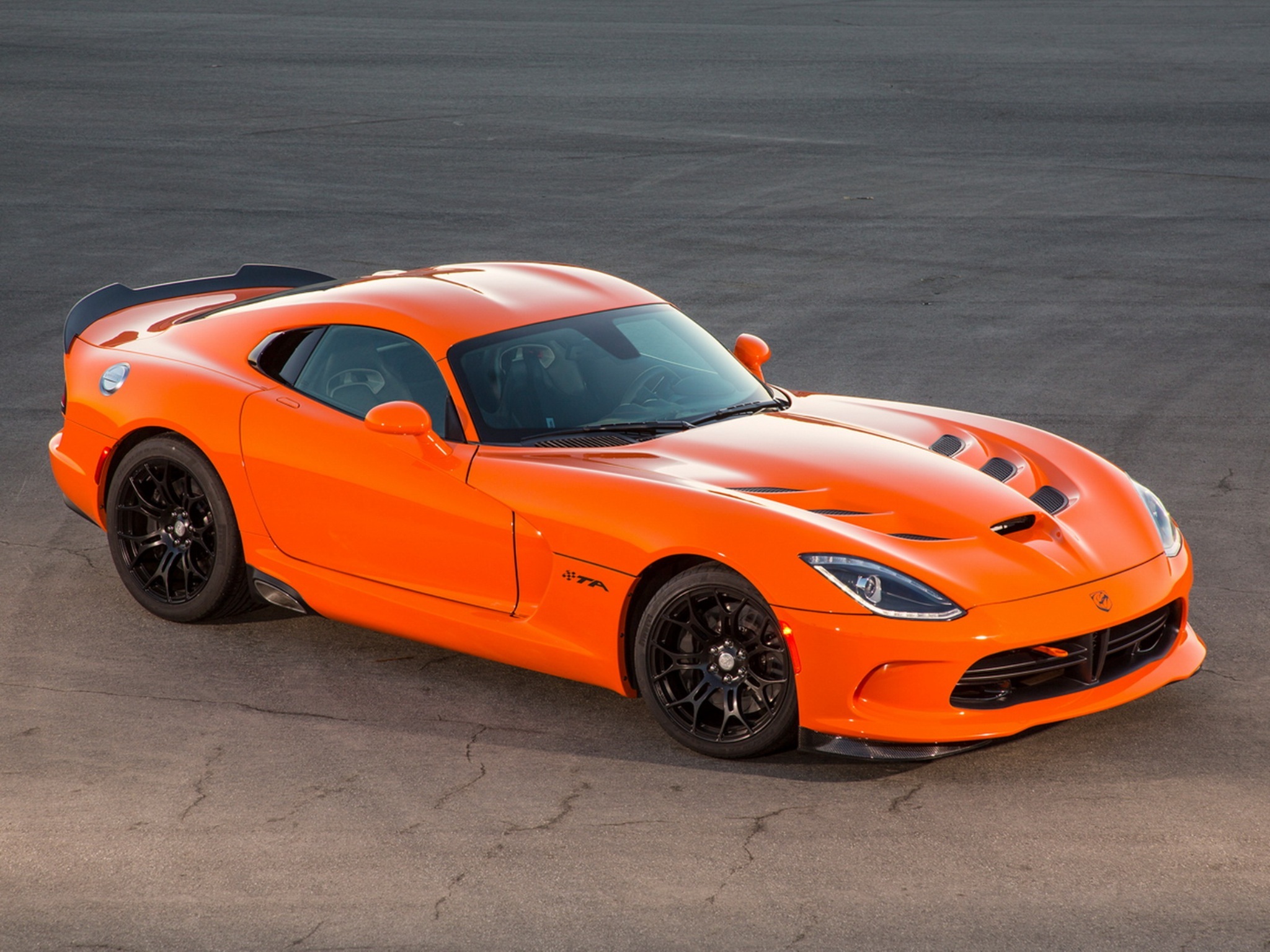
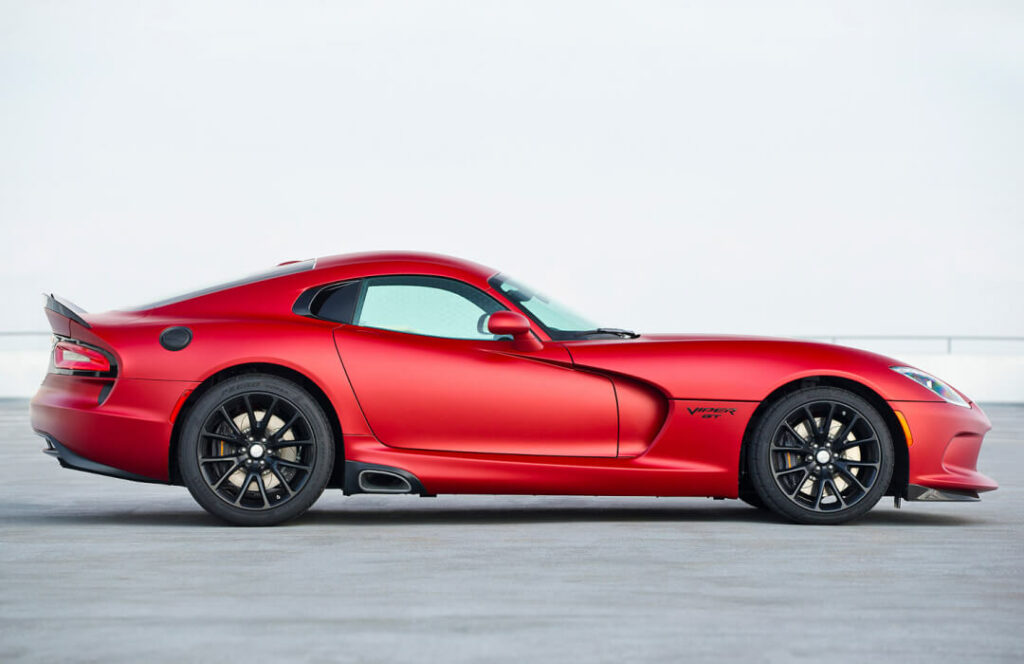
The Dodge Viper was never designed to be a mass-market vehicle; it was a halo car. Introduced in the early 1990s, it served to elevate the brand’s image, proving that an American manufacturer could compete with the elite sports car producers of Europe. Its lack of electronic driving aids for much of its life made it a “driver’s car” in the truest, most dangerous sense. This reputation for being difficult to tame is precisely what built its cult following.
However, the modern consumer expectation has changed. Today’s high-performance market demands a level of technological integration—such as advanced traction control, infotainment systems, and autonomous safety features—that the original Viper platform was never engineered to support. Re-engineering the Viper to meet modern crash-test and safety standards would effectively require building an entirely new car from scratch, a project that would likely be prohibitively expensive and unlikely to yield the same profit margins as the core Charger or Durango lineups.
the manufacturing landscape for such a vehicle no longer exists. The specialized facility that produced the Viper was repurposed, and the supply chain for its unique V10 powertrain has been largely dismantled. For Stellantis, the capital expenditure required to revive a legacy platform would be better spent on the development of the next-generation STLA platforms, which promise to serve as the foundation for the next decade of Dodge products.
What the Future Holds for Dodge
As Dodge moves forward, the focus remains on the “next-gen” Charger and the expansion of the brand’s utility vehicle segment. The transition is not without its critics, as many enthusiasts remain tethered to the combustion-engine performance that defined the brand for decades. Yet, the leadership at Dodge seems confident that the brand’s identity is rooted in attitude and performance, rather than the specific number of cylinders under the hood.
Industry observers should look for the upcoming quarterly earnings calls from Stellantis for further details on product cadence and the rollout of the new Charger models. These reports, available through the Stellantis Investor Relations portal, provide the most accurate timeline for when these new vehicles will reach dealerships and how the company plans to manage the transition of its customer base.
Key Takeaways for Automotive Enthusiasts
- No Viper Revival: Dodge leadership has officially confirmed that the Viper will not return to production.
- Strategic Pivot: The brand is prioritizing its new Charger platform, which includes both electric and combustion versions, to meet future market demands.
- Regulatory Pressures: Stricter emissions standards are driving the shift toward electrified platforms across the entire Stellantis portfolio.
- Brand Identity: Dodge is attempting to redefine “muscle” for the electric age, focusing on torque and performance metrics rather than displacement.
While the Viper will undoubtedly remain a sought-after collector’s item, its place in the Dodge showroom has been permanently filled by the next generation of performance engineering. Whether this strategy will successfully maintain the loyalty of the brand’s core demographic remains the primary question for the coming years. As the industry continues to evolve, the legacy of the Viper serves as a benchmark for what once was, even as the brand looks toward a future defined by new technology and shifting consumer values.
What are your thoughts on the end of the Viper era? Do you believe the brand can maintain its “muscle” identity in an electric-first future? We invite you to join the conversation in the comments section below and share your perspectives on the evolution of American performance vehicles.
Worth a look
- WTO: Global Trade Resilient in Q1 2026 Despite Middle East Conflict
- Court Reinstates PIC CEO Patrick Dlamini After Unlawful Suspension
- Paris Court Rules on Economic Substance in Intra-Group Royalties (newsdirectory3.com)
- White-Tailed Eagles Return to Exmoor National Park After 200 Years (news-usa.today)