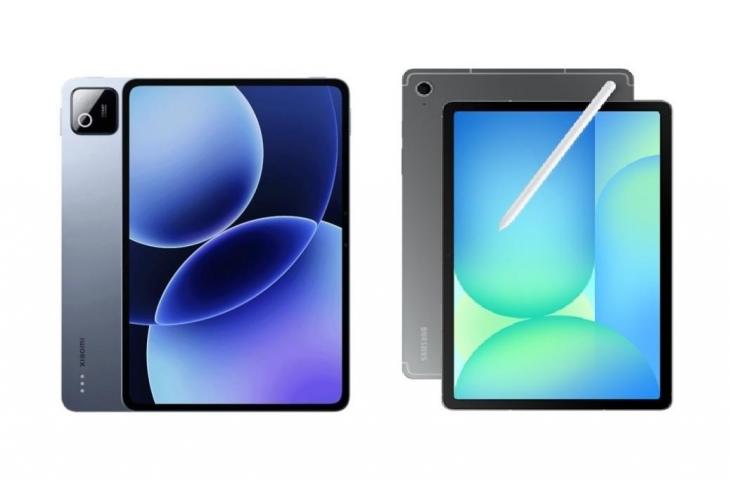
When searching for the ideal mobile computing companion, the debate between premium flagships and value-oriented powerhouses often leads users to a common crossroad: choosing between established ecosystem giants like Samsung and aggressive hardware innovators like Xiaomi. For many potential buyers, the primary conflict centers on comparing the Xiaomi Pad 6 series—often misidentified in regional forum discussions—against the broader Samsung Galaxy Tab S-series ecosystem. As a technology editor, I often see users grappling with whether the lower price point of a Xiaomi tablet justifies the long-term trade-offs regarding software support and hardware longevity.
The question of whether a device will remain functional and secure for a four-year window is entirely valid. In the current landscape of mobile hardware, the distinction between a “budget” purchase and a “long-term investment” is defined less by the initial price tag and more by the manufacturer’s commitment to software updates and build quality. When evaluating the Xiaomi Pad series versus Samsung’s high-end tablets, users must weigh raw performance specifications against the stability of the software environment.
Understanding the Value Proposition
Xiaomi has built its reputation on offering high-end specifications—such as high-refresh-rate displays and powerful processors—at a fraction of the cost of its competitors. According to the company’s official specifications, the Xiaomi Pad 6 features a Snapdragon 870 processor and a 144Hz WQHD+ display, which provides a premium viewing experience that rivals devices costing significantly more. However, hardware is only one half of the equation. A tablet intended for a four-year lifespan requires a robust software update policy to ensure that security patches and operating system optimizations remain current.
Samsung, conversely, has shifted its strategy significantly in recent years. With the release of devices like the Galaxy Tab S9, the company has committed to a more aggressive update schedule. As documented by Samsung’s official support policies, many of their newer premium tablets are eligible for up to four generations of Android OS upgrades and five years of security updates. This transparency provides a clear, verifiable roadmap for long-term ownership that is often the deciding factor for enterprise users and students alike.
Software Longevity and Ecosystem Integration
The concern regarding long-term reliability often stems from the differences in user interfaces: Xiaomi’s HyperOS (formerly MIUI) versus Samsung’s One UI. While HyperOS is known for its customizability and aesthetic flair, Samsung’s One UI is heavily optimized for multitasking, offering features like DeX mode, which transforms the tablet interface into a desktop-like experience. For a user planning to keep their device for at least 48 months, the maturity of the software ecosystem is paramount.
integration with other devices plays a critical role in the “four-year test.” Samsung’s ecosystem allows for seamless file sharing, call mirroring, and secondary display capabilities across their smartphones, laptops, and wearables. While Xiaomi offers similar connectivity features through its own ecosystem, the global availability and support for these features can vary significantly by region. When purchasing a device for long-term use, it is essential to verify if the manufacturer provides consistent regional support for the features you rely on most.
Key Considerations for Long-Term Ownership
- Software Update Policy: Verify the number of years the manufacturer guarantees security patches. Samsung currently leads with a consistent multi-year policy for its flagship S-series tablets.
- Build Quality: Premium tablets from both manufacturers utilize aluminum unibody designs, but consider the availability of official repair centers in your specific country.
- Battery Health: Lithium-ion batteries naturally degrade over time. Check if the manufacturer offers accessible battery replacement services or if the design makes the battery tough to service.
- Resale Value: Samsung tablets generally retain a higher resale value in the global market compared to Xiaomi devices, which may be a factor if you plan to upgrade before the four-year mark.
Making the Right Choice for Your Needs
If your primary goal is to maximize performance-per-dollar, Xiaomi’s offerings are undeniably compelling. They provide a high-end display and processing power that make media consumption and light productivity tasks feel fluid. However, if your goal is to minimize administrative overhead—such as worrying about software fragmentation or the security of your device in its third or fourth year of use—the investment in a Samsung Galaxy Tab may be justified by the peace of mind offered by their long-term support commitment.
Before finalizing your purchase, I recommend visiting the official support pages for the specific model you are considering. Look specifically for the “Security Update” schedule to see how frequently the device has received patches in the last 12 months. This is often a more accurate predictor of future behavior than marketing promises. For those interested in the latest developments, the official Android developer portal provides insights into the latest OS requirements that will impact how long older tablets remain compatible with modern applications.
there is no “correct” choice, only the choice that aligns with your priorities. Whether you value the immediate savings of a Xiaomi device or the long-term stability of a Samsung ecosystem, the current market offers more choice and higher quality than ever before. If you have experience with the longevity of either brand, or if you have encountered specific issues regarding software support in your region, I invite you to share your findings in the comments below. Staying informed is the best way to ensure your tech investment serves you well for years to come.