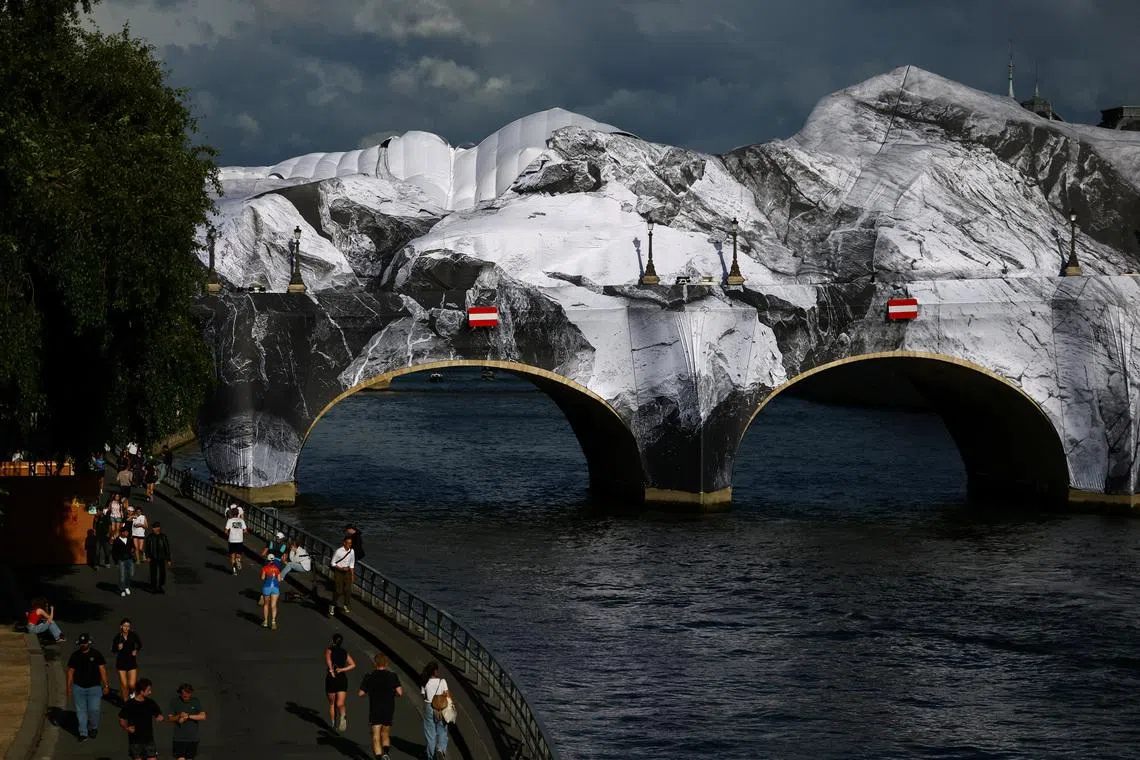
The highly anticipated public art installation by the renowned French artist JR, which was set to transform the iconic Pont Neuf in Paris, has been officially postponed following structural damage to the project’s inflatable components. The installation, titled La Caverne, was designed to create an immersive, cavernous illusion around the capital’s oldest standing bridge, but organizers confirmed that technical complications necessitated a delay in the public opening.
As a journalist who has covered the intersection of global markets and cultural infrastructure for nearly two decades, I have seen how ambitious public art projects often face complex logistical hurdles. This particular delay serves as a reminder of the intricate balance between creative ambition and the physical realities of historic preservation in one of the world’s most visited urban centers. While the art world eagerly awaits the transformation of the Pont Neuf, the current pause highlights the stringent safety protocols required when operating within the delicate framework of a French historical monument.
Structural Integrity and Public Safety Protocols
The decision to delay the opening of La Caverne was made after the inflatable structure, intended to wrap around the landmark, sustained damage during the final stages of installation. According to reports from official project communications, the integrity of the inflatable material—a key component of the artist’s signature large-scale, ephemeral works—did not meet the rigorous safety standards required for public access. The Pont Neuf, which dates back to the early 17th century and is classified as a monument historique, requires careful management to ensure that any temporary installation does not threaten the structural well-being of the stone bridge or the safety of pedestrians and maritime traffic on the Seine.


The management of such installations in Paris is subject to oversight by the City of Paris and the Regional Directorate of Cultural Affairs (DRAC), which ensure that any artistic intervention respects the urban heritage. In the context of large-scale public art, such oversight is not merely a formality but a legal necessity to mitigate risks associated with wind loads, material fatigue, and crowd control. Readers interested in the regulatory framework for public space usage in France can consult the official portal of the French Ministry of Culture for further insights into how heritage sites are protected during temporary events.
The Evolution of JR’s Urban Interventions
JR, whose real name is Jean René, has built an international reputation for his “photograffeur” style, often utilizing large-scale black-and-white portraits and architectural illusions to engage the public. His work on the Pont Neuf was expected to follow a similar trajectory to his 2019 installation at the Louvre, where he created a massive optical illusion around the museum’s glass pyramid. These projects are not only artistic endeavors but also significant economic drivers for local tourism and cultural engagement.
However, moving from a museum courtyard to a functioning bridge presents a different set of financial and operational risks. For the business community, these projects illustrate the “art-as-infrastructure” model, where private sponsorship and public-private partnerships must navigate the unpredictable costs of technical failures and insurance liabilities. When an installation of this magnitude experiences a setback, the ripple effect—ranging from logistics and security staffing to marketing and tourism revenue—is substantial. For those monitoring the intersection of art and urban development, the World Economic Forum frequently explores how cultural investment impacts city branding and local economies.
What Happens Next: Navigating the Delay
As of the most recent updates, the project organizers have not provided a definitive rescheduled date, citing the need for thorough repairs and safety inspections. The focus remains on stabilizing the inflatable structure to ensure it can withstand the environmental conditions of the Seine. For the public and those who had planned to visit this landmark installation, the current status is one of temporary suspension.
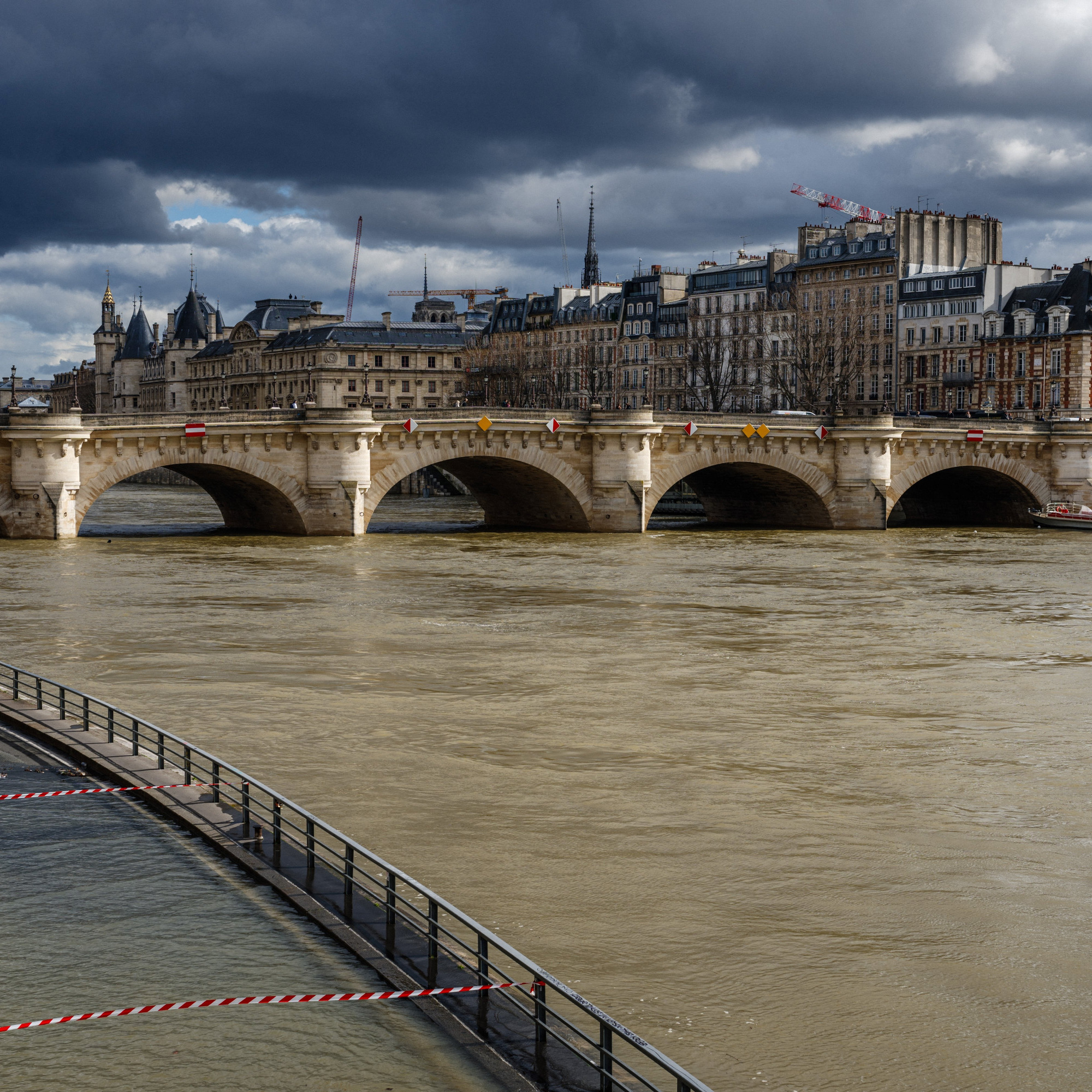
The city authorities and the artist’s team are expected to issue a revised timeline once the repairs have been verified by technical experts. It is common practice for such high-profile installations to undergo a secondary review by municipal safety commissions before being cleared for public access. We will continue to monitor official statements from the artist’s studio and the City of Paris to provide updates as they become available.
Key Takeaways for Stakeholders
- Current Status: The opening of La Caverne on the Pont Neuf is officially postponed due to damage to the inflatable installation.
- Safety Priority: The delay is a direct result of stringent adherence to public safety and heritage preservation requirements.
- Next Steps: Organizers are currently conducting repairs and safety audits; no new public date has been confirmed.
- Monitoring: Visitors are encouraged to check official municipal channels for the most accurate information regarding the reopening of the site.
Whether you are a regular visitor to the French capital or an observer of global art trends, the postponement of the Pont Neuf project serves as a reminder of the complexities involved in bringing world-class art to the public sphere. We welcome your thoughts on how cities should balance modern artistic expression with the preservation of historical landmarks. Please share your perspectives in the comments section below or join the conversation on our social media platforms.
Worth a look