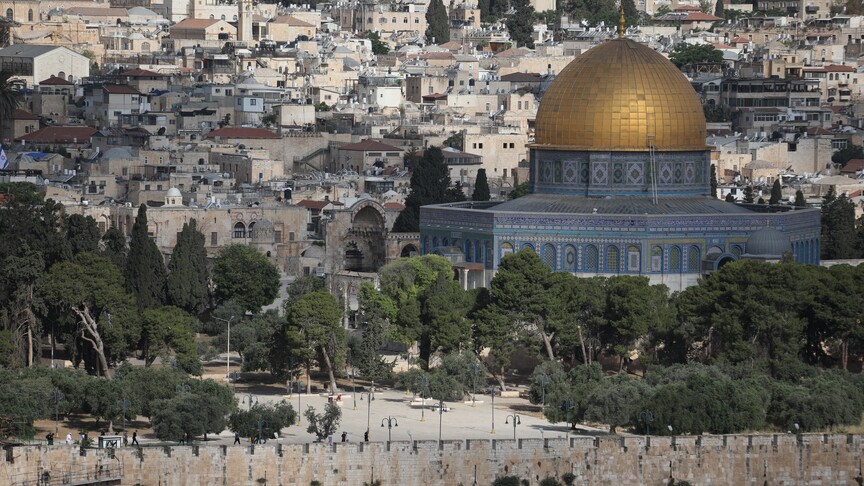
Recent diplomatic friction has intensified regarding the status of the Al-Aqsa Mosque compound in Jerusalem, a site of profound religious significance that remains central to the broader Israeli-Palestinian conflict. In recent weeks, several nations, including Türkiye, have issued formal condemnations following reports of increased settler incursions and the display of Israeli national symbols within the sacred esplanade. These diplomatic interventions highlight the enduring fragility of the status quo at the site, which is managed by the Jerusalem Islamic Waqf under the custodianship of the Hashemite Kingdom of Jordan.
The Al-Aqsa Mosque, known to Muslims as Al-Haram Al-Sharif and to Jews as the Temple Mount, is governed by long-standing international understandings that designate the area as a place of worship for Muslims. While non-Muslims are permitted to visit the site as tourists under specific conditions, acts of public prayer or the display of national symbols by non-Muslim groups are frequently cited as flashpoints that threaten regional stability. The recent uptick in activity, which has drawn sharp rebukes from the international community, underscores the high-stakes nature of managing one of the world’s most sensitive cultural and religious heritage sites.
According to the United Nations Office for the Coordination of Humanitarian Affairs, the situation in East Jerusalem remains volatile, with frequent reports of administrative demolitions and settler-related incidents impacting the daily lives of Palestinian residents. The diplomatic response from regional powers, including Egypt and various member states of the Organization of Islamic Cooperation, reflects a concerted effort to maintain the historic religious character of Jerusalem, as outlined in various UNESCO resolutions regarding the Old City of Jerusalem.
Understanding the Status Quo and Diplomatic Tensions
The term “status quo” in the context of the Al-Aqsa Mosque refers to a series of Ottoman-era decrees and subsequent international agreements that define the rights of various religious communities in Jerusalem. For the international community, the preservation of this framework is viewed as essential to preventing wider conflict. When incidents occur—such as the unauthorized entry of large groups or the hoisting of flags—they are often perceived by the Palestinian leadership and regional allies as an attempt to alter the site’s legal and religious standing.
Türkiye’s Ministry of Foreign Affairs has been particularly vocal, issuing statements that characterize these incursions as violations of international law and a provocation to the Muslim world. Similarly, the Egyptian Ministry of Foreign Affairs has called for an immediate cessation of actions that could inflame tensions, emphasizing that such maneuvers undermine ongoing efforts to achieve a two-state solution based on the 1967 borders as recognized by the UN Security Council. These diplomatic protests are not merely symbolic. they serve as a barometer for the state of bilateral relations between Israel and its regional neighbors.
The Impact on Jerusalem’s Communities
Beyond the high-level diplomatic discourse, the situation on the ground directly affects the Palestinian residents of Jerusalem. Organizations such as the Bayt Mal Al-Qods Acharif Agency frequently report on initiatives aimed at supporting the resilience of the local population, particularly during religious holidays like Eid. These programs are designed to maintain a sense of normalcy for children and families in the Old City despite the surrounding geopolitical pressures, which often include restrictions on movement and access to holy sites.
Data regarding the frequency of visits by non-Muslims to the compound is often contested, with varying figures provided by NGOs, the Jerusalem Islamic Waqf, and Israeli authorities. While some groups advocate for increased access for Jewish prayer at the site, the Israeli government has historically maintained that it does not intend to change the status quo. However, the disparity between official policy and the actions of various activist groups remains a primary source of friction. The UN Human Rights Office continues to monitor these developments, noting that the protection of cultural and religious sites is a fundamental obligation under international humanitarian law.
Looking Ahead: International Oversight and Dialogue
As the international community continues to call for restraint, the question remains how to effectively de-escalate tensions at Al-Aqsa. Diplomatic observers suggest that sustained engagement between the custodians of the site and relevant state actors is the only viable path to preventing further polarization. The role of Jordan, as the official custodian of the Islamic and Christian holy sites in Jerusalem, remains pivotal in any discussions regarding the future of the compound.
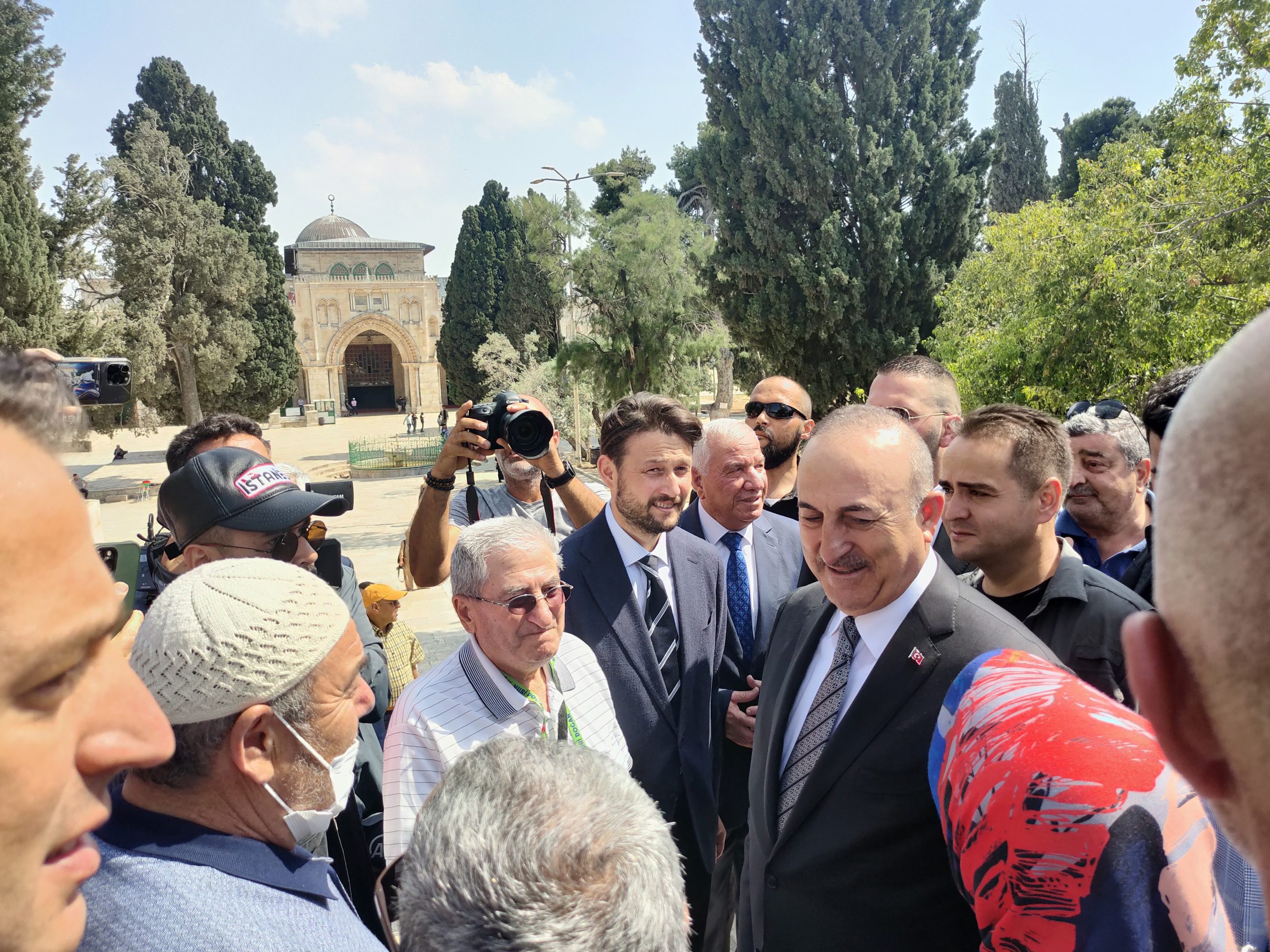
The next major checkpoint for these discussions will likely occur during the upcoming sessions of the UN General Assembly and through bilateral consultations held by regional mediators. For those following this issue closely, official updates can be found through the United Nations Information System on the Question of Palestine (UNISPAL), which provides comprehensive documentation on the status of Jerusalem and related international legal frameworks. We encourage our readers to stay engaged with these developments as they continue to shape the geopolitical landscape of the Middle East.
What are your thoughts on the evolving situation in Jerusalem and the role of international diplomacy in protecting religious heritage sites? Share your perspective in the comments section below.