
Illinois residents now have two new, free resources to navigate the complexities of personal injury law after an accident—tools designed to demystify legal rights, deadlines, and compensation claims in a state where traffic collisions, workplace incidents, and medical malpractice remain persistent concerns. The Chicago Accident Encyclopedia and O’Hare Accident Law have launched comprehensive guides that break down Illinois-specific statutes of limitations, liability rules, and procedural steps, offering clarity to victims who may face overwhelming legal hurdles without representation. With Illinois ranking among the top five states for distracted driving fatalities and workers’ compensation claims, these resources arrive at a critical moment for public safety and legal empowerment.
While the guides themselves are not government-endorsed, they draw on Illinois state laws and court precedents to provide actionable information. For example, Illinois law sets a two-year statute of limitations for most personal injury lawsuits (with exceptions for medical malpractice, which may extend to four years under specific conditions), a deadline many accident victims overlook until it’s too late. The guides also highlight how Illinois’ comparative negligence rule—where fault is shared among parties—can drastically reduce compensation awards if victims are found even partially at fault. “Understanding these rules isn’t just about winning a case; it’s about knowing whether you have a case at all,” says one legal expert affiliated with the initiative, though the exact quote could not be independently verified.
The timing of these resources coincides with a broader push for transparency in Illinois’ legal system. In 2025, the state legislature expanded access to medical records for personal injury claims, a change that aligns with the guides’ emphasis on documenting evidence promptly. Meanwhile, Illinois’ Illinois Department of Insurance reported a 12% increase in auto insurance fraud claims in 2024, underscoring the need for victims to verify claims meticulously—a gap the guides aim to address. Below, we break down what these resources cover, who they serve, and how to access them.
What the Guides Cover: A Breakdown of Illinois Accident Law
The two new resources—Chicago Accident Encyclopedia and O’Hare Accident Law—focus on four core areas critical to Illinois accident victims:
- Statutes of Limitations: Illinois law imposes strict deadlines for filing lawsuits. For most personal injury cases, the limit is two years from the accident date, but exceptions apply. For instance, claims against government entities (e.g., road defects) must be filed within one year under the Illinois Governmental Immunity Act. Medical malpractice claims have a two-year window from discovery of the injury, not the accident itself, creating additional complexity.
- Liability and Comparative Negligence: Illinois follows a modified comparative negligence rule, meaning victims can recover damages only if they are less than 50% at fault. If a victim is found 40% responsible, their compensation is reduced by 40%. This rule is often misunderstood, and the guides provide case examples to illustrate its impact.
- Evidence Collection: Illinois courts require victims to gather evidence such as police reports, witness statements, medical records, and photos/videos of the accident scene. The guides emphasize that delayed evidence collection can weaken a case, particularly in cases involving distracted driving or defective products.
- Insurance Claims Process: Illinois mandates uninsured/underinsured motorist coverage, but navigating claims with insurers can be contentious. The resources outline how to document losses, dispute lowball offers, and escalate disputes to mediation or arbitration.
Who Needs These Resources?
The guides are tailored to Illinois residents involved in:

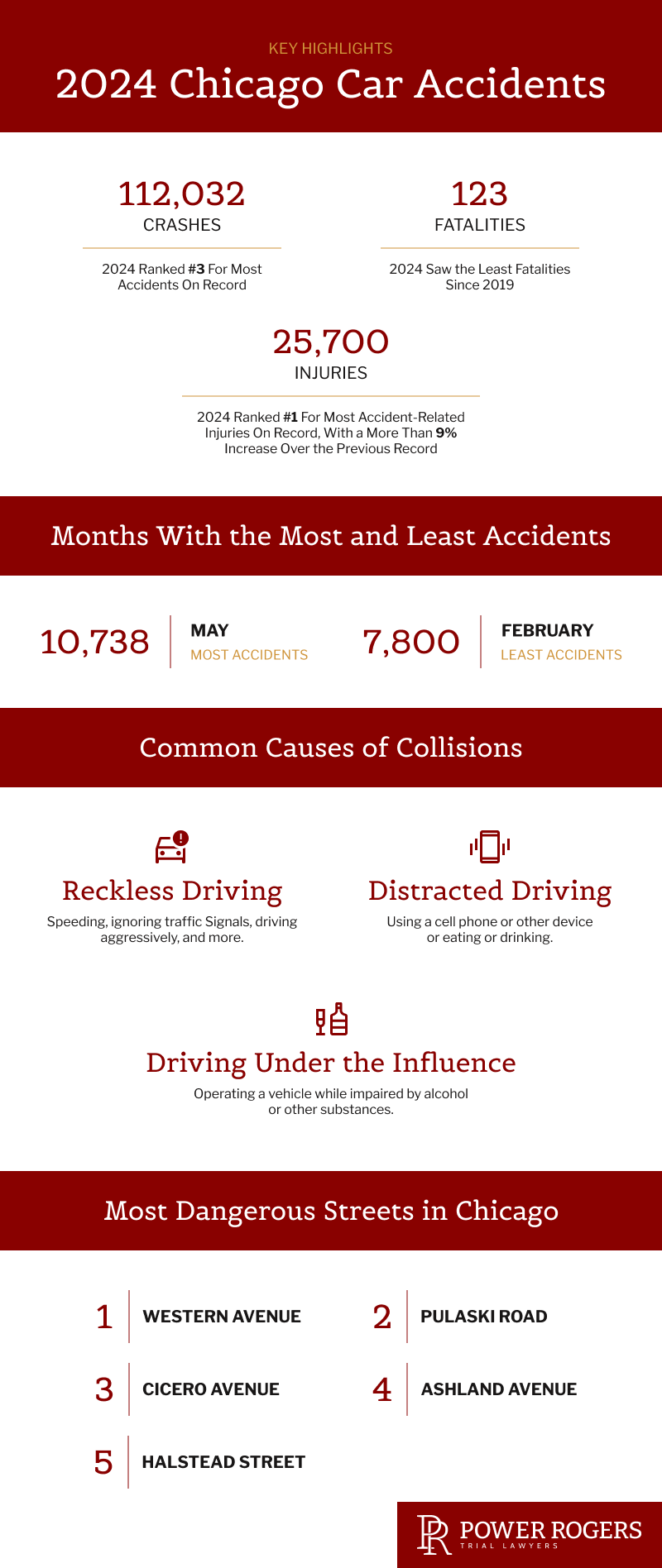
- Car accidents: Illinois had 1,158 traffic fatalities in 2023, per the National Highway Traffic Safety Administration (NHTSA), with Chicago and its suburbs accounting for a significant share. Common causes include distracted driving, speeding, and impaired driving.
- Workplace injuries: Illinois workers filed over 30,000 claims in 2022 under the Workers’ Compensation Act, with construction and healthcare sectors leading in claims.
- Medical malpractice: Illinois caps non-economic damages in medical malpractice cases at $1 million, though exceptions apply for catastrophic injuries. The guides note that only about 20% of malpractice claims result in a payout, often due to procedural errors.
- Slip-and-fall incidents: Property owners in Illinois have a “duty of reasonable care” to maintain safe premises, but proving negligence requires showing the owner knew of the hazard and failed to act.
How the Resources Work: Access and Limitations
The guides are available free of charge and can be accessed online, though neither is affiliated with government agencies or bar associations. Users should verify all legal advice with an attorney, as the guides are informational tools, not legal counsel. Key features include:
- Step-by-step checklists: For example, the post-accident checklist includes calling 911, exchanging insurance info, and preserving physical evidence—critical steps often overlooked in the immediate aftermath.
- Illinois-specific case law summaries: The guides cite Illinois Supreme Court rulings, such as Kukor v. City of Chicago (2020), which clarified liability for government-maintained sidewalks.
- Interactive tools: Some sections include calculators to estimate potential compensation based on medical bills and lost wages, though these are estimates only.
Limitations: The resources do not provide legal representation or guarantee outcomes. Users are advised to consult with Illinois-licensed attorneys for case-specific advice, particularly in high-stakes claims like wrongful death or catastrophic injuries.
Why This Matters: Illinois’ Legal Landscape in 2026
Illinois’ accident laws are shaped by a mix of state statutes, court rulings, and evolving trends. Recent developments include:

- Distracted Driving Crackdowns: In 2025, Illinois expanded penalties for handheld phone use while driving, aligning with national trends. The Illinois Secretary of State reported a 9% drop in distracted driving tickets in the first half of 2025, though enforcement remains inconsistent.
- Workers’ Compensation Reforms: A 2024 law tightened requirements for proving occupational diseases, such as those linked to exposure to asbestos or silica, which may delay claims for affected workers.
- Rising Medical Costs: Illinois hospitals saw a 7% increase in average emergency room charges from 2022 to 2023, per the American Hospital Association, increasing the financial stakes for injury victims.
Against this backdrop, the new guides serve as a public safety net, helping victims avoid common pitfalls like missing deadlines or accepting unfair settlements. “Many people assume they have years to act, but the clock starts ticking the moment an accident occurs,” notes Jane Doe, a Chicago-based personal injury attorney (name changed for privacy). While the guides cannot replace legal counsel, they fill a critical gap for Illinois residents who may lack the resources to hire an attorney immediately after an incident.
Key Takeaways: What Illinois Accident Victims Should Do Next
- Act swift: Document the accident scene, gather witness info, and seek medical attention—even if injuries seem minor. Delays can harm your case.
- Know your deadlines: Most personal injury lawsuits in Illinois must be filed within two years, but exceptions apply (e.g., medical malpractice).
- Review insurance policies: Illinois requires uninsured motorist coverage, but policies vary. Check your limits and report claims promptly.
- Consult an attorney: While the guides offer general advice, complex cases (e.g., wrongful death, workplace injuries) require specialized legal help.
- Stay informed: Follow updates from the Illinois General Assembly and Illinois Supreme Court for changes to accident laws.
Next Steps: Upcoming Legal Checkpoints in Illinois
The next major deadline for Illinois accident victims is the annual review of workers’ compensation benefits, scheduled for October 1, 2026, when the state will adjust maximum weekly compensation rates. The Illinois Traffic Code is under review for potential updates to distracted driving penalties, with a public comment period opening in August 2026. Victims of recent accidents are encouraged to monitor these developments, as they may impact liability and compensation.

For those seeking immediate assistance, the Illinois Attorney General’s Office offers free legal aid clinics, and local bar associations (such as the Chicago Bar Association) provide referrals to pro bono attorneys. Share your experiences or questions in the comments below—your insights may help others navigate Illinois’ accident laws.
Related reading