
In the rapidly evolving landscape of the gaming industry, Sony Interactive Entertainment has long stood as a titan of console-exclusive titles. However, recent market analysis and financial disclosures have sparked a broader conversation regarding the trajectory of PlayStation exclusive sales. As we navigate the current console generation, industry observers are closely examining how shifting consumer habits, the transition to multi-platform strategies, and the rising costs of AAA development are reshaping the performance of Sony’s flagship intellectual properties.
Recent data indicates that while the PlayStation 5 has achieved significant hardware penetration, the sales performance of its exclusive software catalog has faced complex headwinds since 2020. Understanding these trends requires a nuanced look at the company’s latest financial supplements, which highlight a strategic pivot toward broadening the reach of their gaming portfolio beyond the console ecosystem. For gamers and investors alike, this shift represents a departure from the traditional hardware-locked exclusivity model that defined the PlayStation 4 era.
The Evolution of the PlayStation Business Model
For nearly a decade, Sony’s strategy centered on high-budget, narrative-driven exclusive games designed to drive hardware adoption. This model was highly successful, with titles such as God of War and The Last of Us serving as system sellers. Yet, the economics of game development have changed drastically. According to industry analysis on development costs, the budget for a major AAA title can now exceed $200 million, necessitating a larger addressable market to ensure profitability. This reality has pushed Sony to bring its previously exclusive titles to PC, a move aimed at maximizing the return on investment for its high-production-value software.

The impact of this transition is reflected in the company’s recent earnings reports. While hardware sales remain a core pillar, Sony has noted that its “Software and Services” segment must adapt to a landscape where player engagement is increasingly fragmented. By expanding to PC, Sony is not necessarily abandoning the exclusivity model, but rather evolving it into a “timed-exclusive” approach, where the console remains the primary destination for new releases, followed by a broader release strategy months or years later.
Market Headwinds and Consumer Behavior
Several factors are contributing to the perceived softening of exclusive sales figures. First, the global gaming market has experienced a post-pandemic recalibration. During the 2020-2021 period, gaming saw unprecedented engagement numbers due to global lockdowns. As the world returned to normalcy, total hours spent playing games—and total software purchases—stabilized. This normalization has been widely reported by market intelligence firms tracking the global games market.
the rise of subscription services and “games as a service” (GaaS) titles has altered how consumers allocate their entertainment budgets. Players are spending more time within existing ecosystems like Fortnite, Call of Duty, or Roblox, leaving less room for the traditional, singular purchase of a $70 AAA exclusive. Sony is attempting to address this by diversifying its portfolio to include more live-service titles, though this transition has not been without internal challenges and project delays.
Key Takeaways: The Shifting Landscape
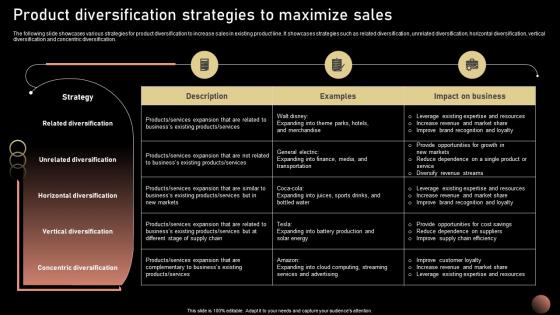
- Strategic Diversification: Sony is increasingly prioritizing PC ports to recoup the ballooning costs of AAA game development.
- Market Normalization: The post-2020 period represents a correction from the record-breaking engagement levels seen during the pandemic.
- Platform Competition: The rise of subscription-based platforms and free-to-play GaaS titles is competing directly for the time and wallet share of the average gamer.
- Hardware vs. Software: Sony continues to focus on PS5 hardware growth, but software revenue is increasingly decoupled from specific hardware lock-ins.
What Happens Next for PlayStation?
As Sony looks toward the remainder of the current console cycle, the focus remains on balancing the prestige of its single-player heritage with the financial necessity of broader reach. The upcoming fiscal quarters will be critical in determining whether the move to PC and the expansion into live-service gaming can effectively offset the plateau in traditional exclusive sales. Investors and fans are looking toward Sony’s next set of official quarterly earnings releases for further clarity on how these strategies are impacting their bottom line.
The gaming industry is currently in a state of flux, and Sony is far from the only major player navigating these turbulent waters. As technology evolves and player habits continue to shift, the definition of an “exclusive” will likely continue to blur. We encourage our readers to share their thoughts in the comments below: do you believe the move to PC strengthens or weakens the value of the PlayStation brand? Stay tuned to World Today Journal as we continue to track these developments and provide expert analysis on the future of interactive entertainment.
Worth a look