
In the rapidly evolving landscape of environmental technology, artificial intelligence has emerged as a powerhouse for waste management. Modern AI-driven sorting systems are currently attracting billions in global investment, promising to revolutionize how facilities process plastics, metals, and paper. However, as these technologies scale, a critical debate is emerging among environmental scientists and policy experts: does the reliance on high-tech recycling solutions inadvertently delay more effective waste reduction strategies?
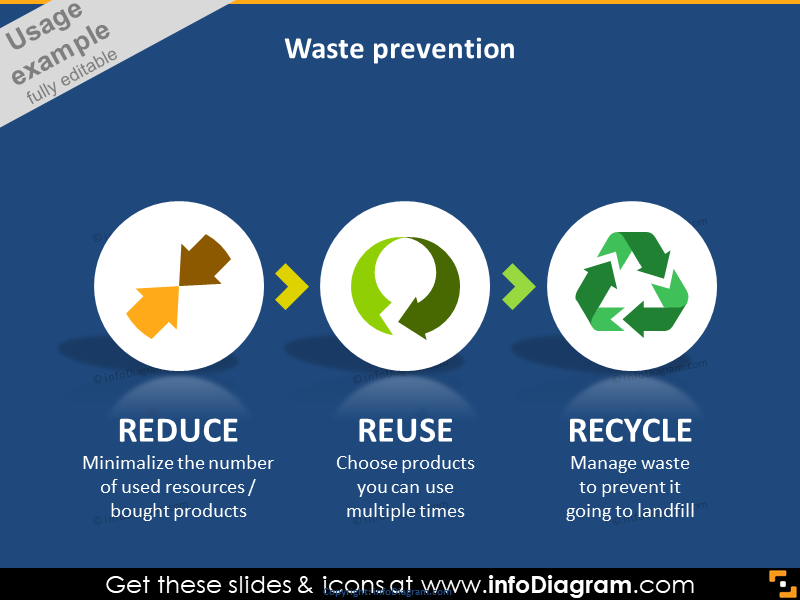
The core of the issue lies in the tension between efficiency and necessity. While AI excels at identifying and separating complex material streams—tasks that were once labor-intensive or technically impossible—the environmental impact of recycling remains secondary to the fundamental goal of waste prevention. According to the U.S. Environmental Protection Agency’s waste management hierarchy, source reduction and reuse are consistently ranked above recycling. Yet, the current market trend shows a disproportionate focus on the latter, often driven by the promise of automated, high-speed sorting infrastructure.
The Technological Promise and Its Limitations
AI-driven sorting systems utilize computer vision and machine learning to identify specific materials on a conveyor belt, often with precision rates that exceed human capabilities. These systems are essential for improving the purity of recycled bales, which in turn makes recycled materials more economically viable for manufacturers. The Organisation for Economic Co-operation and Development (OECD) has highlighted that while technology can improve recovery rates, the sheer volume of material production continues to outpace current recycling capacity. This suggests that even with the most advanced AI, we cannot simply “sort” our way out of a global waste crisis.
The risk of “technological lock-in” is significant. When governments and private corporations commit billions to advanced sorting facilities, they are essentially betting on the future of waste processing rather than the reduction of waste production. This capital-intensive approach can create a systemic dependency on high volumes of waste to justify the operational costs of the sorting infrastructure. If the primary objective of a system is to optimize the sorting of trash, the incentive to eliminate that trash at the source may be weakened.
Redefining Environmental Success
To understand the environmental impact, we must distinguish between “recycling efficiency” and “waste reduction.” Recycling is a process that recovers materials from a waste stream, whereas waste reduction involves designing products to be more durable, repairable, or entirely free of single-use components. The European Commission’s circular economy action plan emphasizes that the most sustainable product is the one that never becomes waste in the first place. When we prioritize AI-based sorting, we are effectively optimizing the end-of-life stage of a product, potentially distracting from the more impactful work of upstream design and systemic consumption shifts.

the environmental cost of the digital infrastructure itself—the servers, hardware, and energy required to train and run these sophisticated AI models—must be factored into the overall sustainability equation. While specific carbon footprint data for individual sorting facilities varies, the International Energy Agency (IEA) has noted the growing energy demands of data-intensive technologies, which creates an additional layer of complexity when evaluating the net environmental benefit of AI-driven recycling systems.
Key Takeaways for a Circular Future
- Prioritize Upstream Design: Real environmental impact is achieved by reducing the volume of materials produced, not just by improving the sorting of what is discarded.
- Understand the Hierarchy: Recycling should be viewed as a last resort, not the primary solution to waste management, as per established environmental guidelines.
- Avoid Market Distortions: Heavy investment in sorting infrastructure should not come at the expense of policy mandates that encourage reusable packaging and sustainable product lifecycles.
- Energy Considerations: The energy-intensive nature of AI implementation must be balanced against the actual carbon savings achieved through improved recycling rates.
Looking Ahead: Balancing Innovation and Policy
The path forward requires a balanced approach. AI-driven sorting is undeniably a valuable tool for managing the waste that we currently produce, and it plays a vital role in preventing materials from entering landfills or polluting ecosystems. However, it must be integrated into a broader strategy that treats waste reduction as the primary goal.

As we move toward the next international climate and environmental summits, stakeholders are expected to focus more on “extended producer responsibility” (EPR) schemes. These policies, which hold manufacturers accountable for the entire lifecycle of their products, are essential for shifting the focus from simply “recycling better” to “producing smarter.”
The next major policy updates regarding circular economy standards are expected later this year as various nations review their progress toward 2030 sustainability targets. We will continue to monitor these developments and report on how technological investments align with these broader environmental goals. If you have insights on how your local municipality is balancing high-tech recycling with waste reduction initiatives, please share your experiences in the comments below.
Keep reading