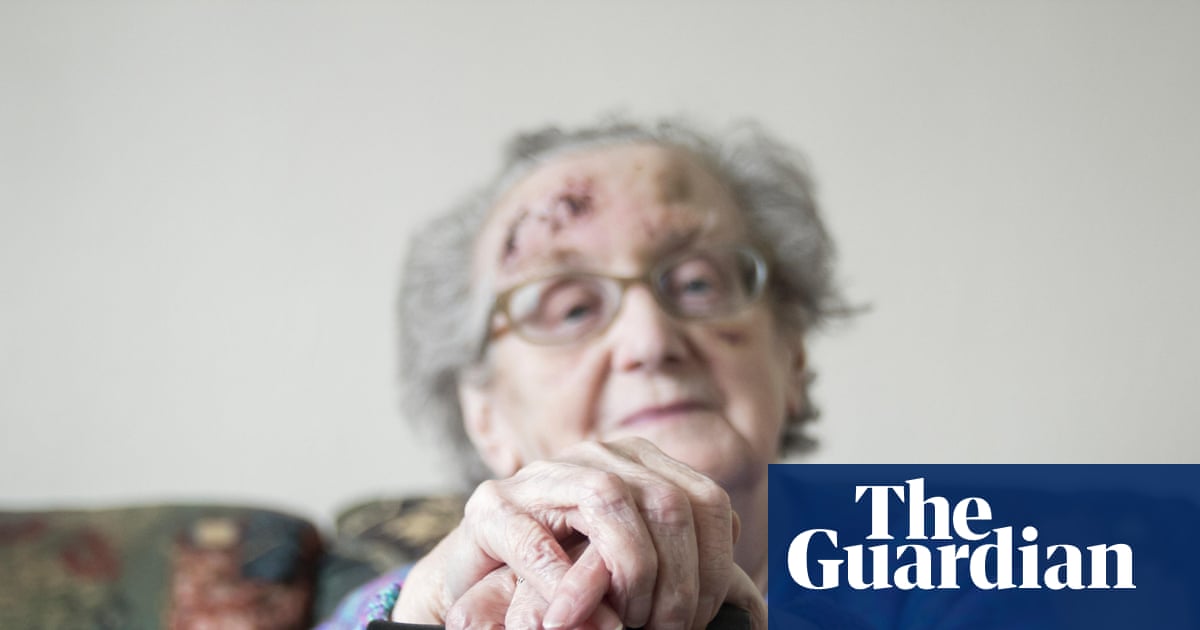
In a sobering assessment of the primary care landscape in England, senior officials have acknowledged that general practitioners (GPs) are currently facing unsustainable pressures, leaving vulnerable populations—particularly older people at risk of falling—without adequate support. The House of Commons’ Public Accounts Committee (PAC) recently highlighted this crisis, noting that the mounting administrative and clinical workload has created what officials have described as an unacceptable failure of care.
As the healthcare system navigates an aging population, the ability to provide preventative care for seniors has become a critical barometer for the efficacy of the National Health Service (NHS). However, the committee’s findings suggest that systemic bottlenecks are preventing these essential services from reaching those who need them most. For patients and their families, understanding the scope of these challenges is essential for navigating current healthcare expectations.
The Impact of Systemic Overload on Patient Care
The core of the issue, according to the parliamentary report, lies in the intense pressure exerted on GP time. This strain has been significantly exacerbated by the government’s shift toward digital-first healthcare, specifically the mandate to provide patients with expanded online access to their medical records and services. While digital transformation is intended to empower patients, the PAC report indicates that the implementation has unintentionally diverted critical resources away from direct clinical consultations for high-risk groups.

The House of Commons’ Public Accounts Committee serves as the primary body for scrutinizing government spending and the administration of public services. Their latest findings echo broader concerns raised by medical professionals regarding the “workload dump” onto primary care, where administrative tasks often supersede the time available for complex geriatric assessments. For older patients, a failure to access timely fall-prevention strategies—such as mobility assessments or medication reviews—can lead to life-altering injuries and increased hospital admissions.
Addressing the Care Gap for Older Patients
Falls remain a leading cause of emergency hospital admissions among the elderly in England. Preventative care, when delivered effectively, involves a multidisciplinary approach that includes GPs, physiotherapists, and community health teams. When GPs are “overloaded,” these diagnostic and referral pathways often break down. The NHS England leadership has acknowledged the severity of this situation, conceding that the current standard of care for these individuals does not meet the necessary threshold for patient safety and dignity.
The shift toward online portals and remote booking systems, while modernized, has raised concerns regarding digital exclusion. For many older adults, navigating these interfaces can be difficult without dedicated support, further widening the gap between those who can successfully manage their health digitally and those who require traditional, face-to-face clinical intervention. The committee’s report underscores that technological advancements cannot be viewed as a substitute for the hands-on, longitudinal care that only a primary care physician can provide.
Moving Forward: Accountability and Reform
What happens next remains a subject of intense debate within the halls of Westminster and the medical community. The acknowledgment by NHS officials that the current state of primary care is “unacceptable” serves as a formal starting point for potential policy shifts. The Department of Health and Social Care is now under increased pressure to demonstrate how it plans to alleviate the administrative burden on GPs while restoring access for older patients at risk of injury.
Future inquiries by the Public Accounts Committee will likely focus on whether the government’s digital strategies are being adjusted to better account for the clinical reality in GP surgeries. For patients, the recommendation remains to utilize existing resources, such as NHS 111 for urgent concerns or to contact their local GP surgery directly if they feel that their health needs are not being met due to administrative barriers.
As we continue to monitor this developing situation, we invite our readers to share their experiences regarding access to primary care services. Your insights are invaluable as we track the progress of these parliamentary recommendations and the subsequent responses from health authorities. Stay tuned for further updates as this story evolves.