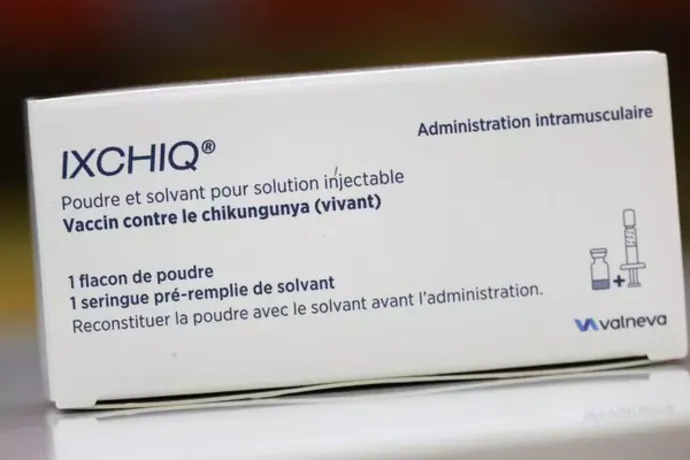
Public health authorities in French Guiana are intensifying their response to a persistent surge in viral infections as a new chikungunya vaccination campaign begins. This initiative represents a critical pivot in the region’s strategy to manage mosquito-borne diseases, which have historically strained local healthcare infrastructure and public health resources. As an physician, I have closely monitored the epidemiological trends in the Caribbean and South American territories, where the interplay of tropical climates and urban density creates a persistent environment for vectors like the Aedes aegypti mosquito.
The decision to deploy targeted immunization efforts follows recurring outbreaks that have underscored the limitations of traditional vector control—such as insecticide fogging and the elimination of stagnant water breeding sites. By focusing on vaccination, regional health authorities, coordinated through the Santé publique France, are aiming to alleviate the clinical burden on hospitals and clinics, which often face a sharp influx of patients during peak transmission cycles.
Understanding the Chikungunya Threat
Chikungunya is a viral disease transmitted to humans by infected mosquitoes. The clinical presentation is often debilitating, characterized by the sudden onset of fever and severe, often incapacitating, joint pain. While fatalities are rare, the long-term impact on a patient’s quality of life—specifically persistent arthralgia—can last for months or even years. According to the World Health Organization, there is currently no specific antiviral drug treatment for the disease, making prevention the primary medical priority.
In French Guiana, the geographical and ecological landscape facilitates the rapid spread of the virus. Recent data from the Agence Régionale de Santé (ARS) de Guyane highlights the importance of surveillance in identifying clusters of infection early. The introduction of a vaccine is a significant milestone, though it must be integrated into a comprehensive health strategy that includes continued community awareness, personal protection measures, and aggressive environmental management to reduce mosquito populations.
Vaccination Strategy and Public Health Impact
The roll-out of the vaccine is being managed with a focus on high-risk populations and areas where the incidence of transmission has been historically high. Public health officials are emphasizing that the vaccine is one component of a “multi-layered defense.” This approach aligns with broader clinical guidelines for managing arboviruses in tropical regions, where the goal is to reach herd immunity thresholds that effectively break the transmission cycle between the vector and human hosts.
For residents, the campaign offers a layer of protection that was previously unavailable. However, medical professionals are reminding the public that vaccination does not eliminate the need for vigilance. The use of insect repellent, wearing long-sleeved clothing, and ensuring that residential areas are free from containers that hold water remain essential practices. The European Centre for Disease Prevention and Control (ECDC) continues to provide updated guidance on the movement of the virus and the effectiveness of current intervention measures, which local authorities in French Guiana are utilizing to tailor their vaccination schedules.
Challenges in Vector Control
Managing an epidemic in a territory like French Guiana presents unique logistical hurdles. The Amazonian climate, characterized by high humidity and frequent rainfall, creates a near-constant breeding season for mosquitoes. The mobility of the population necessitates a robust and flexible public health response. Health authorities are working to ensure that the vaccine is accessible to rural, often isolated, communities, not just those in urban centers like Cayenne.
The success of this campaign will depend heavily on public trust and participation. As we have seen in previous vaccination drives globally, clear communication regarding the safety profile and efficacy of the vaccine is paramount. Health professionals in the region are conducting informational sessions to address questions and provide evidence-based reassurances to the local populace. Transparency in reporting the progress of the campaign—including vaccination rates and the subsequent impact on infection numbers—will be vital for maintaining public confidence.
Looking Ahead: Monitoring and Next Steps
As this campaign progresses, the medical community will be watching the epidemiological data closely. The primary metric for success will be a measurable decrease in the rate of new cases and a reduction in the number of emergency room visits related to chikungunya-like symptoms. The ARS de Guyane is expected to provide periodic updates on the campaign’s reach and the evolving epidemiological situation. Readers are encouraged to monitor the official ARS Guyane website for the most current advisories, vaccination site locations, and health alerts.

This initiative is a reminder of the global necessity for continued investment in tropical medicine and infectious disease research. As climate patterns shift and human travel increases, the geographic footprint of diseases like chikungunya is likely to expand, making the development and deployment of vaccines like this one an essential investment for global health security. We will continue to track these developments as more data becomes available from the field.
What are your thoughts on the integration of vaccination into vector-borne disease management? Please share your questions or insights in the comments section below.
Worth a look