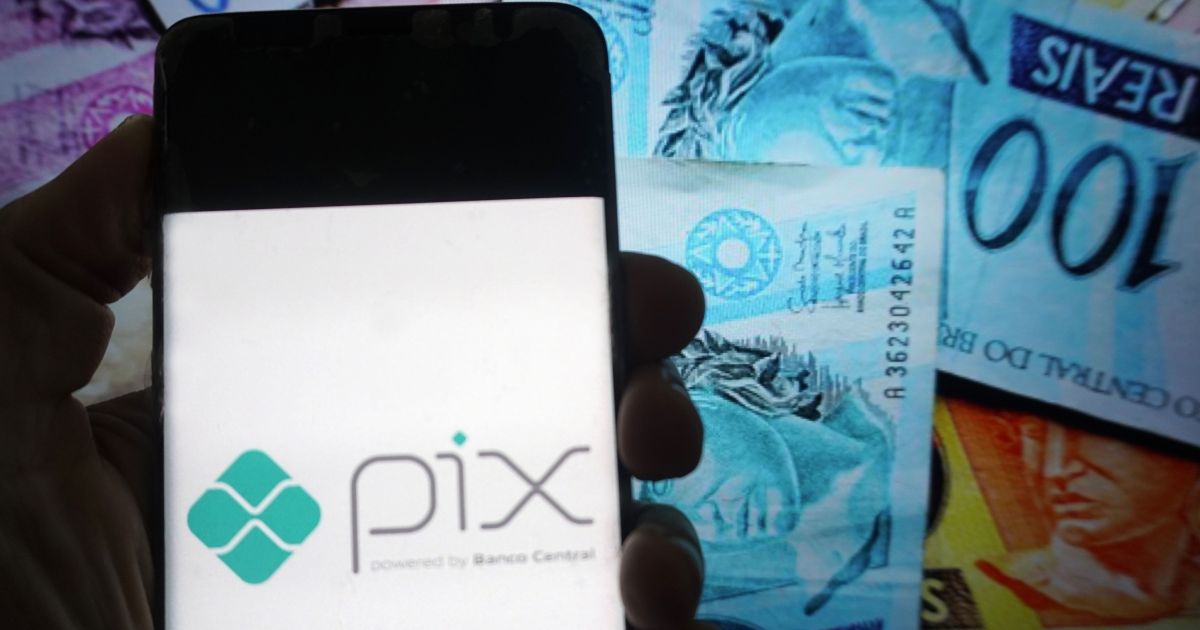
The Brazilian private banking sector is mounting a robust defense of the Pix instant payment system following recent international scrutiny regarding potential trade tariffs. As global economic tensions fluctuate, the platform—which has become a cornerstone of Brazil’s digital financial infrastructure—finds itself at the center of a high-stakes diplomatic and economic debate. Financial institutions and industry leaders are now actively advocating for the system’s integrity, emphasizing its role in modernizing the national economy and fostering financial inclusion across the country.
The core of the current tension lies in how international trade policies might intersect with domestic digital financial tools. As the Brazilian government navigates these external pressures, the defense of Pix has shifted from a technical discussion into a broader effort to protect a system that has fundamentally changed how businesses and citizens interact with the formal economy. According to the Central Bank of Brazil, Pix has significantly reduced transaction costs and increased the speed of capital circulation, making it a target for both praise and, more recently, geopolitical concern.
The Role of Pix in Brazil’s Digital Economy
Launched in November 2020, the Pix instant payment system was designed to provide a low-cost, real-time alternative to traditional payment methods like credit cards and bank slips. Its rapid adoption has been a defining feature of the Brazilian financial landscape in the 2020s. By enabling 24/7 transfers and payments, the system has bridged the gap between unbanked populations and the formal financial sector, as noted in reports by the Bank for International Settlements regarding the global evolution of instant payment systems.
For the private banking sector, Pix is not merely a government-mandated tool; it is a critical infrastructure component that has allowed banks to retain and grow their customer base by integrating digital services into daily life. The industry’s mobilization suggests that any attempt to penalize or restrict the use of such systems under the guise of trade policy would be viewed as a direct challenge to the domestic financial ecosystem. Financial analysts point out that the system’s success is rooted in its interoperability, which allows for seamless exchanges between different institutions, thereby preventing the monopolization of payment data.
Navigating International Trade and Diplomatic Pressures
The current discourse surrounding potential tariffs highlights the sensitivity of digital financial sovereignty. When international trade partners suggest policies that could affect domestic financial operations, the Brazilian government and private sector stakeholders often emphasize the need for negotiation and bilateral dialogue. The Ministry of Foreign Affairs has consistently maintained that Brazil’s digital payment innovations are sovereign tools designed to promote economic efficiency rather than to disrupt international trade balances.
Industry experts argue that the scrutiny of Pix is a symptom of its success. Because the system has effectively disrupted traditional, high-fee payment rails, it has caught the attention of global observers who are reassessing the competitive landscape of digital finance. The private sector’s defense is predicated on the argument that Pix complies with international standards of cybersecurity and anti-money laundering regulations, a claim often reiterated in the Central Bank’s annual stability reports.
What Happens Next?
As the situation develops, the next confirmed checkpoint will be the upcoming series of bilateral economic consultations between Brazilian government officials and their international counterparts. These meetings are expected to address trade concerns comprehensively, including the status of digital financial platforms. For the average user, Pix remains fully operational, and the Central Bank continues to roll out new features, such as Pix Automático and international integration projects, under its Agenda BC+.

The ongoing dialogue between the private sector and government regulators will likely determine how Brazil positions its digital infrastructure in the face of future global economic shifts. Stakeholders are encouraged to monitor official updates through the Central Bank of Brazil’s newsroom for any changes to regulatory frameworks or future upgrades to the system. We invite our readers to share their perspectives on the role of digital payment systems in national sovereignty in the comments section below.
Keep reading