
As a technology editor, I have spent years tracking how digital landscapes shift under the weight of Meta’s evolving ecosystem. For tiny business owners and digital marketers, navigating the Meta Business Suite—specifically the centralized composer for Instagram and Facebook—has become a daily ritual. Understanding how these tools function is not just about convenience. it is about maximizing the reach of your digital footprint in an increasingly fragmented social media environment.
The Meta Business Suite serves as the centralized command center for brands to manage their presence across Facebook and Instagram. By integrating post scheduling, ad management, and inbox communication into a single interface, Meta aims to reduce the friction inherent in cross-platform content distribution. For those managing multiple assets, the composer tool acts as the primary gateway for synchronized content delivery.
The Evolution of Unified Social Media Management
The shift toward unified management tools is a direct response to the demands of modern digital marketing. According to Meta’s own operational documentation, the Business Suite was designed to consolidate features previously scattered across disparate platforms. This integration allows users to view insights, manage messages, and schedule posts—all from a single dashboard. For a business owner, So spending less time toggling between tabs and more time analyzing engagement metrics.
The technical architecture behind this composer relies on the Meta Graph API, which facilitates seamless communication between the user interface and the backend servers hosting your visual and text assets. When you utilize the composer to publish to Instagram, the system manages the metadata, image compression, and algorithmic tagging required for optimal display on the platform. This back-end efficiency is critical for maintaining consistency in brand voice across different user demographics.
Key Features of the Meta Business Suite Composer
The composer is more than a simple text box; it is a sophisticated suite of tools designed to streamline the creative workflow. Key features that power this experience include:
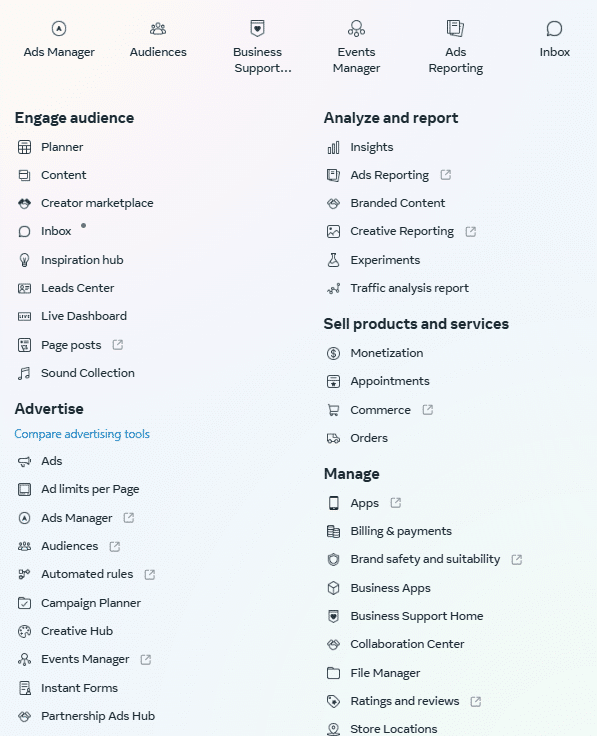
- Cross-Platform Scheduling: You can create a single post and tailor it for both Facebook and Instagram simultaneously, saving significant time in your content calendar.
- Advanced Analytics Integration: The composer provides real-time access to performance data, allowing you to see which posts are gaining traction before you commit to further ad spend.
- Direct Inbox Management: Responding to customer inquiries across platforms from one unified inbox ensures that no lead falls through the cracks.
- Ad Creative Testing: The platform allows users to leverage A/B testing directly within the composer, helping to refine messaging based on audience response.
For those interested in the broader regulatory and operational landscape of these tools, the Meta Transparency Center provides detailed insights into how these features are governed and how user data is handled during the publishing process. Understanding these guidelines is essential for any professional managing a business page.
Best Practices for Content Distribution
When utilizing the Meta Business Suite to manage your Instagram and Facebook presence, consistency is the primary driver of algorithmic success. As a developer and journalist, I often advise that while the tools provide the “how,” the “why” remains rooted in content strategy. The composer allows for A/B testing of captions and visual formats, which can significantly impact your engagement rates. By tracking the official best practices for Meta Business Suite, users can ensure their content remains compliant with current platform standards.
while the composer is powerful, it is not a substitute for strategic planning. The tool is designed to execute a strategy, not create one. Users should focus on the data provided by the “Insights” tab within the Suite to determine the best times to post and the types of content that resonate most with their unique audience segments.
Navigating Technical Challenges and Updates
Like any complex software ecosystem, the Meta Business Suite receives frequent updates. These updates often include changes to the API, new UI elements, or enhanced security protocols. To stay informed, I recommend regular check-ins with the Meta for Developers portal, which tracks technical changes that might affect how your business assets are managed. If you encounter bugs or performance issues, the Meta Business Help Center remains the primary resource for troubleshooting and support tickets.
Looking ahead, we expect Meta to continue integrating generative AI features into the composer, potentially automating caption writing and image enhancement. As these technologies roll out, staying agile and testing new features within the Business Suite will be crucial for maintaining a competitive edge in the digital marketplace.
Frequently Asked Questions
Q: Can I use the Meta Business Suite to manage Instagram ads?
A: Yes, the Business Suite integrates with Ads Manager, allowing you to create, manage, and monitor ad campaigns for both Facebook and Instagram from one location.
Q: Is there a cost to use the Meta Business Suite?
A: No, the Meta Business Suite is a free tool provided by Meta for businesses and creators to manage their professional presence.
Q: How do I link my Instagram account to the Business Suite?
A: You can connect your Instagram account by navigating to the “Settings” menu within the Meta Business Suite and selecting “Instagram Accounts” to follow the authentication prompts.
The next major update to the Meta Business Suite interface is expected later this fiscal quarter, focusing on enhanced scheduling capabilities. I encourage our readers to keep a close eye on official Meta announcements for those specific release dates. If you have questions about your own workflow or experiences with these tools, feel free to share your thoughts in the comments section below.
Worth a look