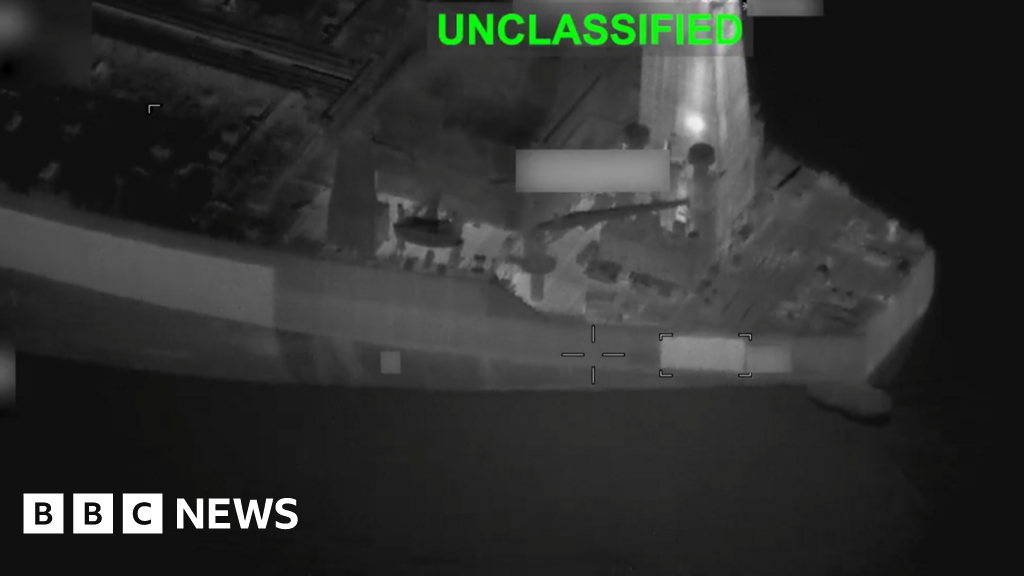
The geopolitical landscape in the Middle East remains increasingly volatile following a series of military engagements involving United States forces and Iranian assets. As tensions escalate across the region, international observers are closely monitoring reports regarding a recent maritime confrontation involving a vessel identified as an Iran-bound oil tanker. This development occurs against a backdrop of faltering diplomatic efforts to maintain regional stability and a series of reciprocal military actions reported by defense officials.
The situation has drawn significant attention from global stakeholders, particularly as the United States Central Command (CENTCOM) continues to provide updates regarding defensive operations aimed at countering what officials describe as aggressive behavior. The recent maritime incident, characterized by the engagement of a target vessel, is part of a broader cycle of kinetic activity that has seen both missile strikes and defensive maneuvers in recent days. For those tracking these developments, the U.S. Department of State provides ongoing guidance for citizens in the region through the official U.S. Government portal.
Context of Maritime and Regional Escalations
The intersection of maritime security and regional conflict has become a focal point for international diplomacy. Reports of a missile strike on an Iran-bound oil tanker follow a period of heightened activity where Iranian forces have reportedly targeted neighboring interests. These events are unfolding within a context where previous ceasefire arrangements have faced substantial pressure. According to official briefings from defense authorities, the U.S. Has engaged in strikes against Iranian facilities, framing these actions as necessary responses to ongoing threats to regional security and the safety of maritime trade routes.

The complexity of these interactions underscores the difficulty of maintaining a stable diplomatic track. As analysts note, the failure of recent peace talks has created a vacuum where military posturing has become the primary mode of communication between the involved parties. The fluidity of the situation means that security postures are subject to rapid change, and international maritime organizations continue to issue advisories to commercial vessels operating in the vicinity of the Persian Gulf and the Strait of Hormuz.
Defense Strategy and Military Engagement
The U.S. Military strategy, as articulated by the Department of Defense, emphasizes the protection of partner forces and the maintenance of freedom of navigation in international waters. The decision to employ force against an oil tanker suspected of being bound for Iran is reflective of a broader policy of interdicting logistical support that Washington views as fueling regional instability. While the specific tactical details of the engagement remain under review by military planners, the strategic intent is to disrupt the flow of resources that support aggressive regional posturing.
This approach has not been without controversy, as international critics often point to the risks of miscalculation. However, the U.S. Maintains that its defensive actions are calibrated to deter further provocations. The Department of State continues to urge caution, advising all U.S. Nationals currently residing or traveling in the Middle East to remain vigilant and maintain close communication with their nearest embassy or consulate. Official alerts and travel advisories can be monitored through the U.S. Department of State website, which remains the primary source for safety information.
What Happens Next?
As of June 3, 2026, the international community is awaiting further clarification on the long-term impact of these strikes on the regional power balance. With diplomatic channels appearing strained, the focus shifts to whether the current cycle of escalation can be contained or if it will lead to a more sustained period of conflict. Observers are particularly focused on upcoming sessions at the United Nations, where member states are expected to discuss the implications of these maritime and land-based strikes on international law and regional security frameworks.
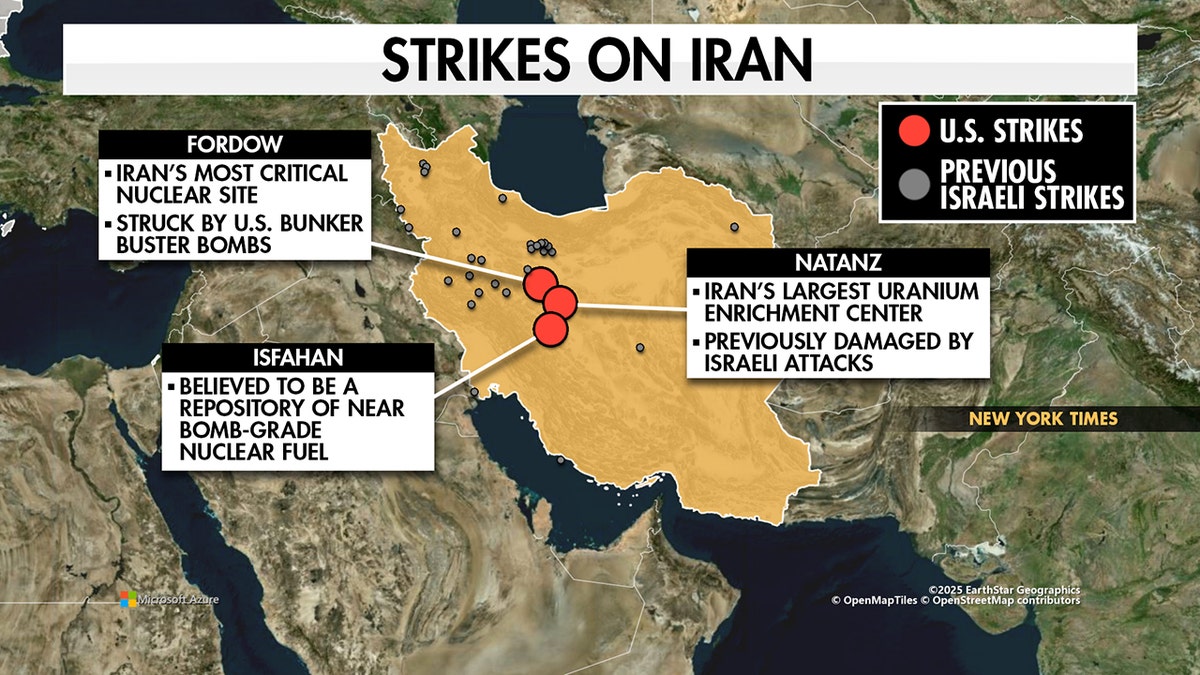
There are no immediate signs of a return to the negotiating table. Instead, the current phase is defined by a “wait and see” posture from global powers, while regional actors assess their next moves. Readers are encouraged to continue monitoring official government channels for verified updates, as information regarding specific military engagements can often be subject to rapid revision as tactical assessments are finalized. We will continue to provide updates as official reports from government and international monitoring bodies become available. We invite our readers to share their perspectives on these developments in the comments section below.
Related reading