
The allure of “medical tourism”—the practice of traveling abroad for elective surgeries, often at a fraction of the cost found in domestic markets—has grown significantly over the last decade. However, recent public health surveillance has brought the risks of these procedures into sharp focus. For patients considering cosmetic enhancements abroad, the journey often involves complex logistical hurdles and, increasingly, significant medical complications that require urgent intervention upon returning home.
The Centers for Disease Control and Prevention (CDC) has issued repeated health alerts regarding the dangers of medical tourism, specifically highlighting the risk of serious infections and adverse outcomes following cosmetic procedures performed in other countries. As a physician, I have seen firsthand that while the financial savings of international surgery may seem substantial, the hidden costs—ranging from post-operative infections to long-term systemic health issues—can be devastating. Understanding these risks is essential for any patient navigating the global healthcare landscape.
The Clinical Reality of Medical Tourism
When patients travel for cosmetic surgery, they are often unaware of the regulatory disparities between their home country and the destination. In many cases, the safety standards, surgical training requirements, and infection control protocols in foreign clinics may not align with the rigorous oversight seen in domestic healthcare systems. The CDC reports that patients have returned with serious, sometimes life-threatening, infections caused by multi-drug-resistant organisms that are difficult to treat with standard antibiotics. According to the agency, these infections often arise from contaminated equipment or inadequate sterile environments during or after the procedure.
Beyond infections, surgical complications—such as tissue necrosis, severe scarring, or systemic reactions to anesthesia—require a level of continuity of care that is inherently interrupted by international travel. When a patient arrives home, their local primary care physician or surgeon may not have access to the original medical records, surgical notes, or information about the specific devices or materials used during the procedure. This lack of medical transparency creates a significant barrier to effective follow-up and emergency care.
Key Risks Identified by Health Authorities
The risks associated with traveling for cosmetic surgery are not merely theoretical. They are documented, recurring clinical events. The most frequent complications identified by medical professionals include:
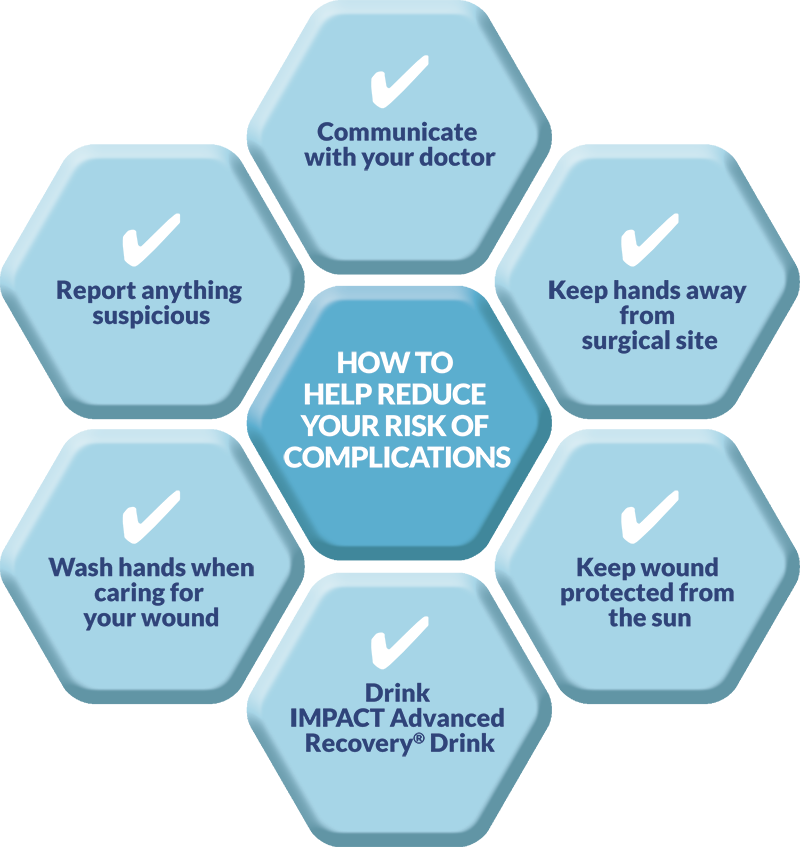
- Infections: Often involving atypical mycobacteria or other resistant bacteria, these infections can be slow-growing and may not manifest until weeks after the patient has returned home.
- Surgical Site Complications: Including wound dehiscence, severe hematomas, and tissue death that necessitates complex reconstructive surgery.
- Systemic Health Impacts: Adverse reactions to medications or anesthesia administered in settings where the patient’s full medical history may not have been thoroughly vetted.
- Communication Barriers: Difficulty obtaining follow-up care or legal recourse if the procedure results in permanent harm or disfigurement.
A report published in the Morbidity and Mortality Weekly Report (MMWR) underscores that patients who develop complications abroad often face significant challenges when seeking care in their home countries. Many local surgeons are hesitant to perform “revision” procedures on patients whose initial surgeries were conducted by unknown providers in foreign jurisdictions, fearing liability and the complexity of managing an existing, potentially infected surgical site.
Navigating the Decision: What Patients Should Know
If you are considering a cosmetic procedure, the most critical step is to prioritize your long-term health over short-term savings. The American Society of Plastic Surgeons (ASPS) consistently emphasizes the importance of choosing board-certified providers who operate in accredited facilities. When a patient steps outside of these established systems, they lose the protection of local medical boards, malpractice insurance, and standardized safety protocols.
Before booking any surgery, patients should ask themselves: Is the clinic accredited by an internationally recognized body? Who will manage my post-operative care? What happens if I experience a complication in the middle of the night? If you cannot answer these questions with confidence, the procedure carries a risk that far outweighs any cosmetic benefit. The CDC’s official guidance for medical travelers provides a comprehensive checklist that every patient should review before making a commitment to travel for surgery.
Key Takeaways for Patient Safety
- Verify Accreditation: Ensure the facility and the surgeon are recognized by reputable, independent medical boards.
- Plan for Follow-up: Establish a clear post-operative plan with a local physician before leaving your home country.
- Understand the Pathogens: Be aware that medical tourism is a known vector for the spread of drug-resistant bacteria.
- Check Insurance Coverage: Most standard health insurance plans will not cover the costs of revision surgeries required due to complications from elective medical tourism.
Looking Ahead: The Role of Public Health
As the global market for cosmetic surgery continues to expand, public health officials are working to improve data collection and patient education. The goal is not to discourage travel, but to ensure that patients are fully informed of the risks involved. Future efforts are expected to focus on better tracking of adverse events related to medical tourism, which will help provide more accurate data to the public. For now, the best defense against these complications remains informed decision-making and a commitment to seeking care from providers who adhere to the highest standards of safety and oversight.

The CDC continues to monitor reports of post-surgical infections and encourages patients who develop symptoms—such as fever, redness, or drainage at a surgical site—after returning from abroad to seek immediate medical attention and disclose their travel history. For ongoing updates regarding travel health notices, patients are encouraged to visit the official CDC Travelers’ Health portal, which remains the primary source for current international health advisories.
Have you or a loved one navigated the complexities of cosmetic surgery? Share your experiences or questions in the comments below to help our community stay informed.
Worth a look