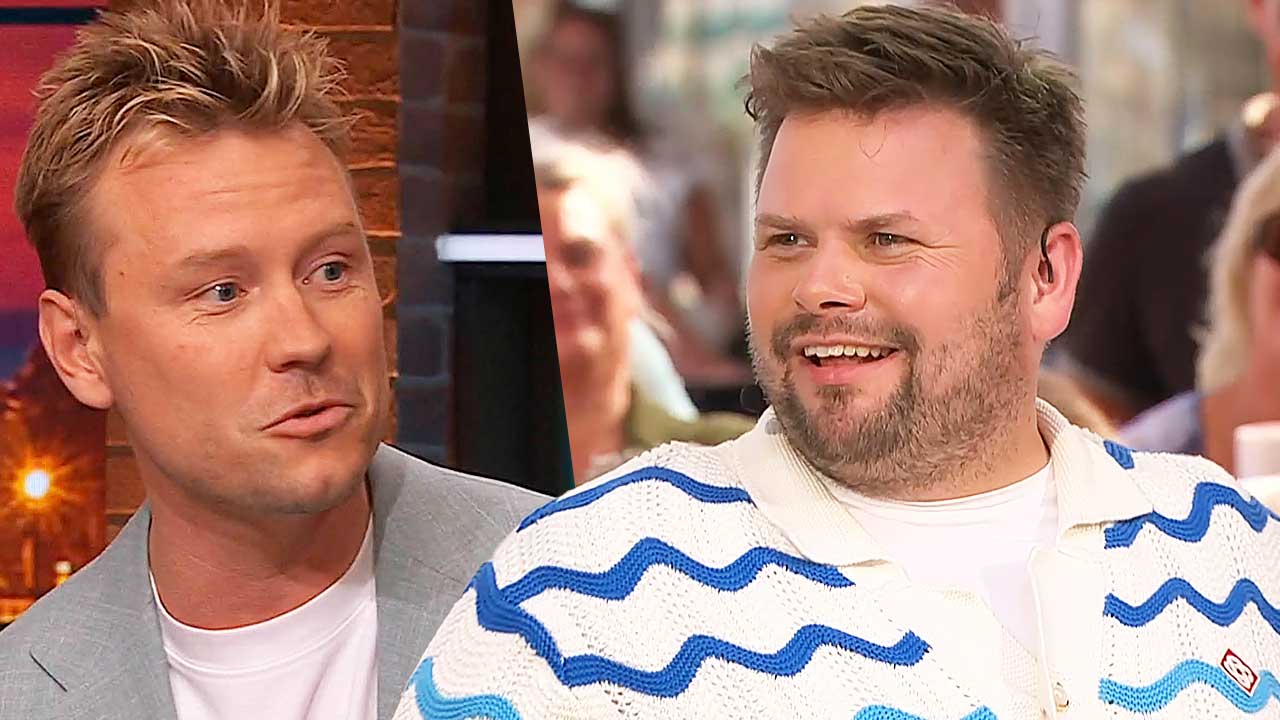
In the fast-paced world of Dutch broadcast media, tensions occasionally spill over from the studio floor into the public eye. Recently, political journalist Thomas van Groningen, a familiar face on programs like Op1 and Vandaag Inside, offered a candid critique of the production quality associated with fellow presenter Sam Hagens. The commentary has sparked a broader conversation regarding the standards of talk show production and the evolving nature of political journalism in the Netherlands.
As a technology editor, I often observe how the intersection of digital media, live broadcasting, and social commentary creates a feedback loop that can redefine professional reputations. When high-profile media personalities engage in public critique, it serves as a litmus test for the industry’s internal culture. The core of this discussion centers on what constitutes “quality” television in an era where viewer engagement is increasingly driven by viral clips and rapid-fire debate formats.
The exchange, which garnered significant attention on social media platforms, highlights the ongoing friction between traditional journalistic rigor and the demands of modern, personality-driven programming. Understanding this dynamic requires looking at the roles these figures play within the Dutch media landscape and how their public discourse influences audience perception.
The Evolution of Political Talk Shows
Political talk shows in the Netherlands have undergone a significant transformation over the past decade. The rise of formats that prioritize rapid interaction and strong opinions—often referred to as “opinion television”—has moved the needle away from traditional, moderated news reporting. Thomas van Groningen, who transitioned from regional journalism to a prominent national role, has often been lauded for his analytical approach to complex political developments. His critique of Sam Hagens, who is known for his work on shows like De Oranjezondag and his contributions to the SBS6/Talpa network programming, reflects a divergence in professional philosophies.
At the heart of the matter is the tension between journalistic neutrality and the entertainment value required to maintain high ratings. In the competitive Dutch media market, broadcasters are under constant pressure to deliver content that trends on social media. This shift often leads to a “clash of styles,” where seasoned reporters find the theatrics of modern talk shows to be a detraction from the substance of the political discourse being presented.
Professional Standards and Public Perception
When public figures like Van Groningen voice concerns about the quality of another presenter’s work, it often triggers a debate about the “dumbing down” of political coverage. Critics of the current trend argue that when talk shows prioritize shouting matches or highly edited segments over substantive interviews, the overall quality of public information suffers. Conversely, proponents of these formats argue that they successfully reach demographics that might otherwise be disengaged from political processes.
The critique leveled by Van Groningen is not merely a personal grievance; it is a commentary on the technical and editorial execution of live television. In technical terms, the “quality” of a broadcast involves not just the content, but the pacing, the framing of the discussion, and the adherence to journalistic ethics. When these elements are perceived to be lacking, the credibility of the medium itself can be questioned by both peers and the viewing public.
Key Takeaways on the Media Discourse
- Professional Friction: The divide between traditional news reporting and high-energy talk show formats remains a point of contention among Dutch media professionals.
- Content vs. Spectacle: The debate centers on whether the current focus on “personality-driven” segments undermines the delivery of essential political information.
- Social Media Impact: Public critiques from industry insiders are amplified by social media, often turning private professional disagreements into national media stories.
- Industry Standards: The ongoing dialogue suggests a need for a re-evaluation of how political journalism is packaged for television audiences in the digital age.
What Happens Next?
As of now, there has been no formal industry-wide response to these comments, nor have there been official statements from the production teams involved. The situation remains a matter of professional opinion rather than a regulatory or legal dispute. For viewers and media observers, the next logical checkpoint will be the upcoming television season and potential shifts in programming strategy at major Dutch networks.

If you are interested in the ongoing developments within the media industry, keep an eye on official announcements from major broadcasters regarding their fall lineups. Often, these programming decisions reflect the very concerns raised by presenters like Van Groningen as they attempt to balance audience retention with journalistic integrity.
What are your thoughts on the current state of political talk shows? Do you believe that high-energy production styles are necessary to keep the public informed, or do they distract from the core issues? Share your perspectives in the comments section below and join the global conversation on the future of broadcast news.
Related reading