
The history of the National Hockey League is often defined by its enduring dynasties and iconic rivalries, yet the annals of the 1930s reveal a landscape of volatility and transition. Among the most intriguing chapters of this era is the relationship between the New York Americans and the Boston Bruins, two franchises that occupied vastly different spaces in the hockey hierarchy. On January 24, 1937, these two clubs met at the historic Boston Garden for a contest that served as a microcosm of the challenges facing the league during the Great Depression. As we look back at this encounter, it provides a window into a time when the New York Americans vs. Boston Bruins rivalry was less about long-term dominance and more about the grit required to survive in a rapidly evolving professional sport.
At the time of this 1937 matchup, the Boston Bruins were firmly established as a powerhouse under the legendary guidance of Art Ross, a man whose influence on the game extended far beyond the bench. Conversely, the New York Americans—often referred to as the “Amerks”—were navigating the precarious financial and competitive realities that eventually led to their dissolution in 1942. This specific game in Boston was not merely a routine mid-season fixture; it was a testament to the tactical evolution of hockey, with Ross’s Bruins representing the established elite and Red Dutton’s Americans fighting for legitimacy on the ice. According to historical records maintained by the National Hockey League’s official archives, the 1936-37 season was a pivotal year for the league, marking a period of intense competition as teams vied for the Stanley Cup in an era of stringent economic constraints.
Tactical Battles in the Boston Garden
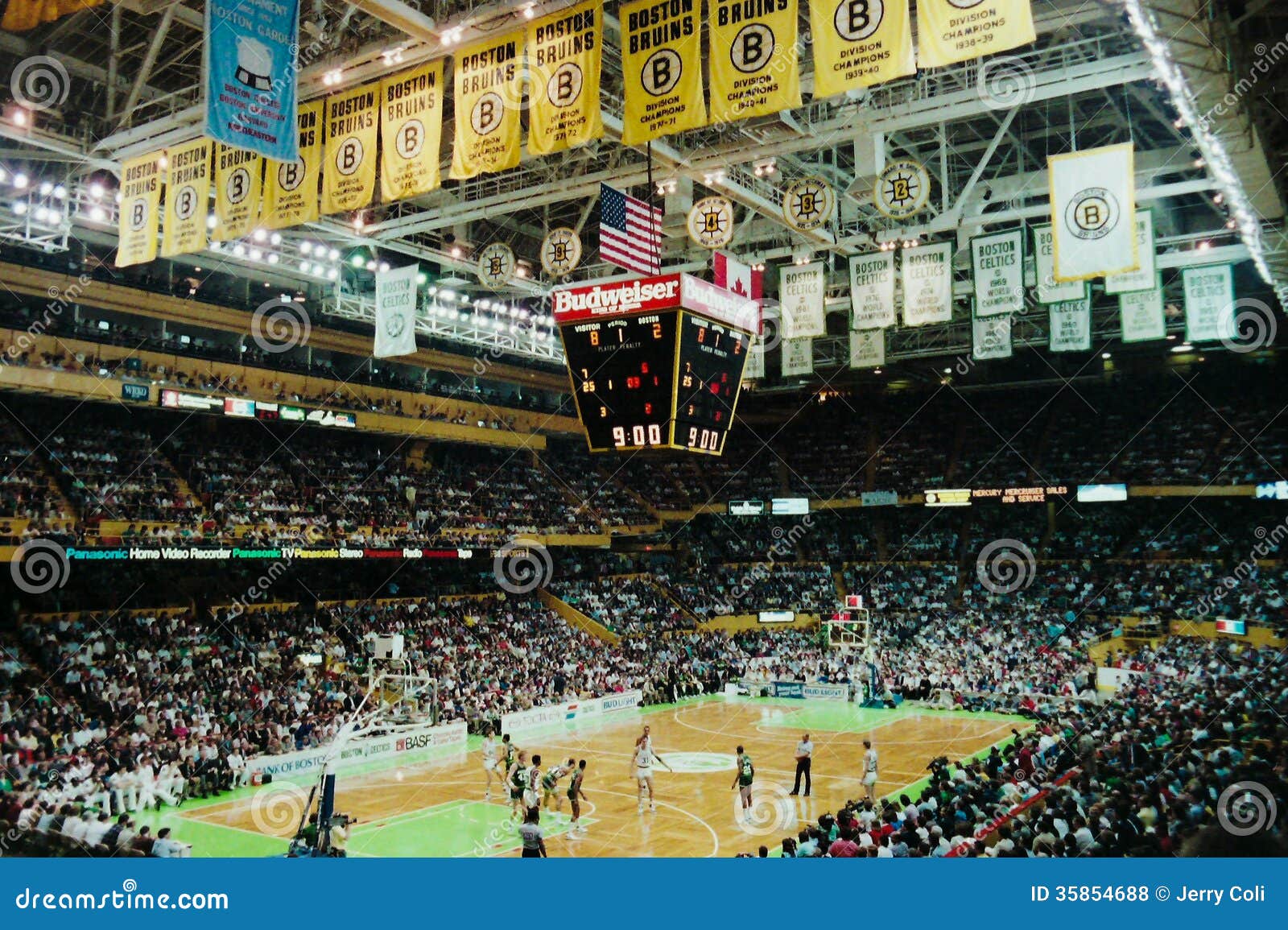
The Boston Garden, which opened its doors in 1928, served as the theater for this clash. By 1937, the venue had already earned a reputation as one of the most intimidating environments for visiting teams in the NHL. Art Ross, who served as both the Bruins’ general manager and coach during this period, was known for his innovative approach to game strategy and equipment development. His squads were built on a foundation of disciplined defense and a physical style of play that defined the “Big Bad Bruins” identity for decades to come. Records indicate that during the 1936-37 season, the Bruins were highly competitive, finishing near the top of the Canadian Division standings, a fact verified by Hockey-Reference’s comprehensive historical database.
On the opposing bench, Red Dutton was tasked with managing the Americans’ roster. Dutton, a former player known for his tenacity, faced the uphill battle of keeping a franchise afloat in a city dominated by the New York Rangers. The Americans were the first NHL team to play in New York, yet by the late 1930s, they were struggling to maintain fan interest and financial stability. The game on January 24, 1937, was a reflection of this disparity. While the Bruins played with the confidence of a team destined for a deep playoff run, the Americans relied on the veteran leadership of players who were, in many cases, nearing the end of their professional careers. The officiating for the contest, overseen by A.G. Smith, reflected the era’s standard of game management, where referees were given significant latitude to control the pace of the game in an age before the modern era of standardized penalty enforcement.
The Legacy of the New York Americans
To understand the significance of the 1937 matchup, one must look at the broader trajectory of the New York Americans. The franchise, which began play in 1925, was an essential component of the NHL’s early expansion into the United States. However, the economic pressures of the 1930s, combined with the onset of the Second World War, proved insurmountable. The team eventually ceased operations in 1942, a decision that remains one of the most significant contractions in league history. The NHL’s official history portal documents this period as a time of consolidation, where the “Original Six” era began to take shape following the loss of teams like the Americans and the Montreal Maroons.


The Bruins, meanwhile, continued to thrive. Art Ross’s ability to integrate talent and maintain a consistent winning culture allowed the Bruins to remain a perennial contender. The rivalry with the Americans was characterized by a distinct lack of parity, yet it provided a necessary competitive outlet for the league during a time when the schedule was limited and travel was arduous. For fans of the era, these games were essential, offering a brief respite from the harsh realities of the Great Depression. The intensity of the play, despite the lopsided nature of the standings in some years, underscored the commitment of the players to the game of hockey.
Key Facts: The 1936-37 NHL Season
- League Structure: The NHL was divided into the Canadian Division and the American Division, with the Bruins playing in the American Division.
- The Boston Garden: Completed in 1928, it was the home of the Bruins and a focal point for sports in New England throughout the 1930s.
- Management: Art Ross served as the architect of the Bruins, while Red Dutton guided the Americans through their final years of existence.
- Historical Context: The 1936-37 season saw the Detroit Red Wings emerge as the eventual Stanley Cup champions, defeating the New York Rangers in the Finals, as confirmed by official NHL playoff records.
Why This Era Still Matters to Modern Fans
For modern hockey enthusiasts, looking back at the 1937 meeting between these two teams is an exercise in appreciating the evolution of the sport. The game was played without the benefit of modern analytics, sophisticated training regimens, or the vast television coverage that defines the sport today. Yet, the core elements of the game—speed, skill and physical confrontation—remain the same. The transition from the era of the Americans to the modern NHL landscape is a reminder of the fragility of professional franchises and the importance of visionary leadership, such as that provided by figures like Art Ross.
As we analyze the records of these early years, we see a sport in its formative stages, grappling with the same questions of parity and sustainability that leagues face today. The New York Americans may be a footnote in the history books for younger fans, but their contribution to the growth of hockey in the United States cannot be overstated. Their matches against the Bruins were the building blocks of a professional culture that would eventually reach global prominence. By studying these events, we gain a deeper appreciation for the foundation upon which the current NHL is built.
The next time you watch a matchup at the TD Garden—the modern successor to the old Boston Garden—take a moment to consider the history that precedes the current stars. The legacy of the 1937 Bruins and their opponents is etched into the exceptionally fabric of the arena. For those interested in deeper research, the Hockey Hall of Fame provides extensive documentation on the players and coaches of this era, serving as the definitive resource for anyone looking to bridge the gap between hockey’s past and its future. We encourage our readers to share their thoughts on the historical impact of the New York Americans in the comments section below.
- Marc-Marie over tolerantie en B&B Vol Liefde op YouTube
- New York Extends Pied-à-Terre Tax Deadline: What Wealthy Homeowners Need to Know
- Boston Bruins Draft James Hagens: Key Details and Outlook (news-usa.today)
- WWE SummerSlam Results: Solo Sikoa, LA Knight & Royce Keys Win Six-Man Tag Match (archyde.com)