In the landscape of modern public health, knowledge remains our most potent tool for prevention. Yet, a recent analysis of public perception regarding sexually transmitted infections (STIs) reveals a concerning gap between medical reality and widespread belief. While many adults are familiar with the most common infections, significant confusion persists regarding vaccine-preventable diseases, transmission routes, and the efficacy of various preventative measures. As a physician, I often emphasize that accurate information is the first step toward effective health management, yet this latest data suggests that a substantial portion of the population remains misinformed about the tools currently at our disposal.
The implications of these knowledge gaps are far-reaching. When individuals are uncertain about how infections are transmitted or which preventative vaccines are available, their ability to make informed decisions about their sexual health is compromised. This is particularly critical given that, according to the Centers for Disease Control and Prevention (CDC), millions of new STI infections occur in the United States every year, with many individuals remaining asymptomatic and unaware of their status. Addressing these misconceptions is not just a matter of education; it is a public health necessity to curb the rising rates of various infections.
The Reality of Vaccine-Preventable STIs
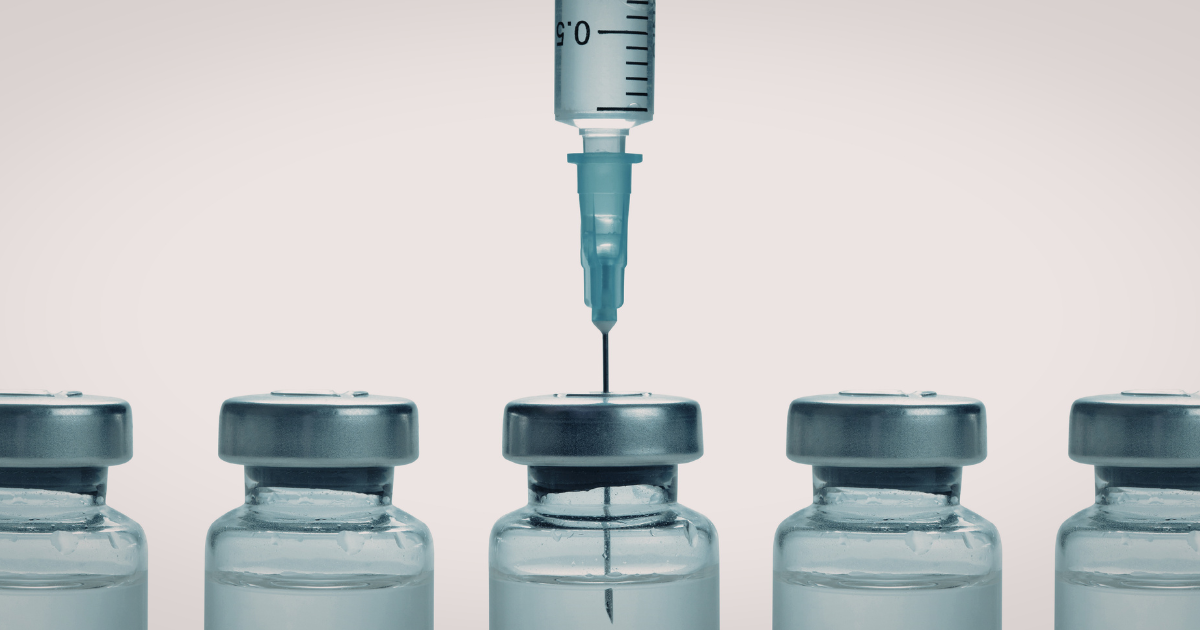
One of the most striking findings in recent health communication research is the persistent misunderstanding regarding which STIs are vaccine-preventable. Currently, clinical medicine offers highly effective vaccines for several significant infections, including Human Papillomavirus (HPV), Hepatitis A, Hepatitis B, and Mpox. Despite the established success of these medical interventions, public awareness remains uneven. For instance, while the HPV vaccine—which is critical for preventing cervical and other cancers—has seen broader recognition, other significant vaccines are still met with confusion or skepticism.
The persistent myth that the HPV vaccine encourages risky sexual behavior remains a barrier for some, despite robust clinical evidence to the contrary. Multiple studies, including large-scale longitudinal research, have consistently demonstrated that vaccination does not lead to earlier sexual debut or an increase in the number of sexual partners. As health professionals, we must continue to advocate for the World Health Organization’s (WHO) evidence-based recommendations, which position vaccination as a cornerstone of cancer prevention and reproductive health.
Addressing Common Misconceptions
Beyond vaccines, the persistence of outdated myths—such as the belief that STIs can be transmitted via toilet seats or through casual contact—remains a hurdle. From a clinical perspective, it is essential to clarify that the pathogens responsible for the vast majority of STIs are incredibly fragile. They require specific environments, typically provided by mucous membranes, to survive and thrive. They simply cannot persist on surfaces like toilet seats, doorknobs, or bedding in a way that poses a transmission risk to the general public.

Similarly, the role of kissing is frequently misunderstood. While the Herpes Simplex Virus (HSV-1) can indeed be transmitted through oral contact, leading to what are commonly known as cold sores, it is important to distinguish this from the broader category of STIs. Clarifying these distinctions helps reduce the stigma surrounding these conditions and allows individuals to focus their preventative efforts on high-impact behaviors, such as the consistent use of barrier methods and regular screening. The American Sexual Health Association (ASHA) provides extensive resources for patients seeking to separate fact from fiction regarding these transmission pathways.
The Role of Screening and Early Intervention
The data underscores a vital truth: asymptomatic transmission is a primary driver of the STI epidemic. Because many infections present with no symptoms at all, or symptoms so mild they go unnoticed, regular screening is the only reliable way to know one’s status. The stigma associated with testing often prevents people from seeking care, yet early detection is the key to preventing long-term complications—such as infertility, chronic pain, or the transmission of infections to partners.
We must also address the gaps in understanding regarding HIV. While modern medicine has transformed HIV from a fatal diagnosis into a manageable chronic condition, public perception has not always kept pace. The advent of treatments like Antiretroviral Therapy (ART) and Pre-Exposure Prophylaxis (PrEP) has fundamentally altered the landscape of HIV prevention and care. Ensuring the public understands that individuals on effective treatment can achieve an undetectable viral load—meaning they cannot transmit the virus to partners—is a vital component of modern sexual health advocacy, as outlined by the federal HIV.gov initiative.
Key Takeaways for Sexual Health
- Vaccination is Prevention: Vaccines for HPV, Hepatitis A, Hepatitis B, and Mpox are safe and highly effective. Consult your healthcare provider about which immunizations are appropriate for you.
- Understand Transmission: STIs are primarily spread through sexual contact. They are not transmitted by toilet seats, doorknobs, or casual social interactions.
- Screening is Essential: Many STIs, including chlamydia and gonorrhea, are frequently asymptomatic. Regular testing is the only way to ensure your health and the health of your partners.
- Stigma is a Barrier: Open, honest communication with healthcare providers is the best way to dispel myths and access the care you need.
- Modern Treatment Works: For conditions like HIV, modern medicine has made it possible to live a long, healthy life and prevent transmission to others through early diagnosis and consistent treatment.
Looking Ahead to Public Health Policy
As we move forward, the focus for public health departments and medical organizations must remain on accessible education and barrier-free access to care. The rise in rates for certain infections, particularly syphilis, in recent years indicates that our current efforts are not yet reaching everyone who needs them. Strengthening prenatal care, increasing the availability of point-of-care testing, and expanding vaccination programs are the most effective levers we have to reverse these trends.
The next major checkpoint for many of these initiatives will be the upcoming release of the 2026 national STI surveillance reports, which will provide a more granular view of how current public health strategies are performing across different demographics. In the meantime, I encourage all readers to visit their local public health clinic or check the CDC’s official STI resource page for the most accurate, up-to-date information on testing and prevention.
Health is a collaborative effort. By staying informed, challenging myths, and normalizing conversations about sexual health, we can work together to lower infection rates and ensure that everyone has the knowledge they need to stay safe. What questions do you have about the latest in sexual health and prevention? Please share your thoughts and experiences in the comments below—your engagement helps us continue to provide the most relevant and helpful health information for our global community.
Keep reading