
In the ongoing quest to modernize aviation, NASA and Boeing are collaborating on a project that represents a significant leap in aeronautical engineering. The development of the X-66A, an experimental aircraft designed to test advanced aerodynamic configurations, aims to address one of the most pressing challenges in the aerospace industry: the reduction of carbon emissions. As the sector looks toward a more sustainable future, the design of this aircraft—specifically its unique wing structure—has drawn considerable attention from aviation experts and climate researchers alike.
The X-66A is a central component of NASA’s Sustainable Flight Demonstrator project. The initiative is built on the premise that current narrow-body aircraft, which are among the most heavily used planes in commercial aviation, require fundamental design improvements to meet increasingly stringent environmental goals. By testing new technologies in a real-world flight environment, the agency hopes to provide the data necessary to inform the next generation of mass-produced, fuel-efficient commercial airliners. According to official NASA documentation, the project focuses on reducing fuel consumption and emissions by up to 30 percent compared to today’s most efficient single-aisle aircraft.
The Transonic Truss-Braced Wing Design
The most distinctive feature of the X-66A is its “Transonic Truss-Braced Wing” (TTBW) configuration. Unlike conventional aircraft wings, which are typically cantilevered—meaning they are supported only at the fuselage—the TTBW design utilizes a long, thin, high-aspect-ratio wing supported by external struts. This structural approach is intended to significantly reduce aerodynamic drag, a key factor in fuel efficiency. By allowing for a higher wingspan and a more efficient lift-to-drag ratio, the design aims to minimize the energy required to maintain flight.
Engineering such a structure requires a delicate balance between weight reduction and structural integrity. The use of struts allows the wing to be both lighter and thinner than traditional counterparts, but it also introduces new complexities in terms of airframe integration and drag management. NASA and Boeing are currently working through the assembly phase, integrating these experimental components into a modified MD-90 airframe, which serves as the testbed for the new configuration. Further information regarding the technical specifications of the Sustainable Flight Demonstrator can be found through NASA’s official project portal.
Addressing Global Aviation Emissions
Commercial aviation is a significant contributor to global greenhouse gas emissions. While the industry has made incremental progress through engine efficiency and operational improvements, NASA’s approach with the X-66A targets a more substantial reduction in the environmental footprint of air travel. By focusing on the airframe itself, researchers are looking for “step-change” improvements that go beyond what can be achieved with engine advancements alone.
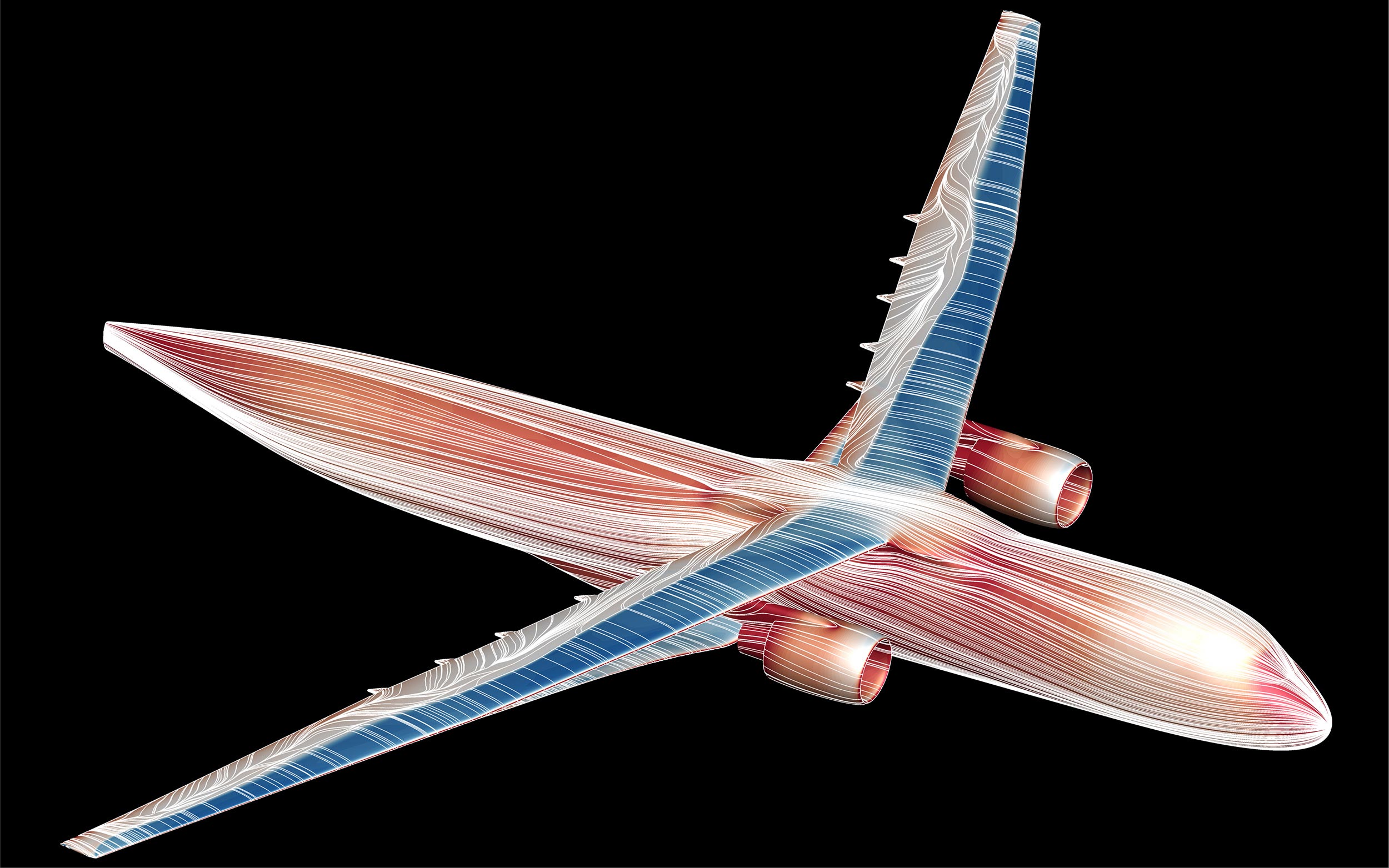
The project is expected to culminate in flight testing, which will provide empirical data on how the TTBW performs in transonic conditions—the speed range where most commercial airliners operate. This data will be critical for manufacturers as they evaluate the feasibility of incorporating such designs into future commercial fleets. As noted in the project overview, the collaboration between the government and private industry is essential for de-risking these technologies before they are considered for widespread commercial adoption.
Future Milestones and Timeline
The timeline for the X-66A remains a point of interest for the aerospace community. As of mid-2026, the project continues to progress through assembly and ground testing phases. While the aviation sector is known for long development cycles, the X-66A is positioned as a critical bridge toward the aviation industry’s goal of achieving net-zero emissions by 2050. The successful execution of the flight demonstration program will likely serve as a benchmark for future regulatory and design standards in the aerospace field.

For those following the progress of the Sustainable Flight Demonstrator, official updates are regularly provided through NASA’s aeronautics research news channels. As the project moves closer to its first flight, the industry will be watching closely to see if the TTBW design can meet its ambitious performance targets. The success of this experimental aircraft could redefine the look and performance of the narrow-body jets that define modern air travel.
What are your thoughts on the future of sustainable aviation? Do you believe structural design changes like the TTBW are the key to greener flights, or should the focus remain on alternative propulsion systems? Share your perspective in the comments below.
Related reading