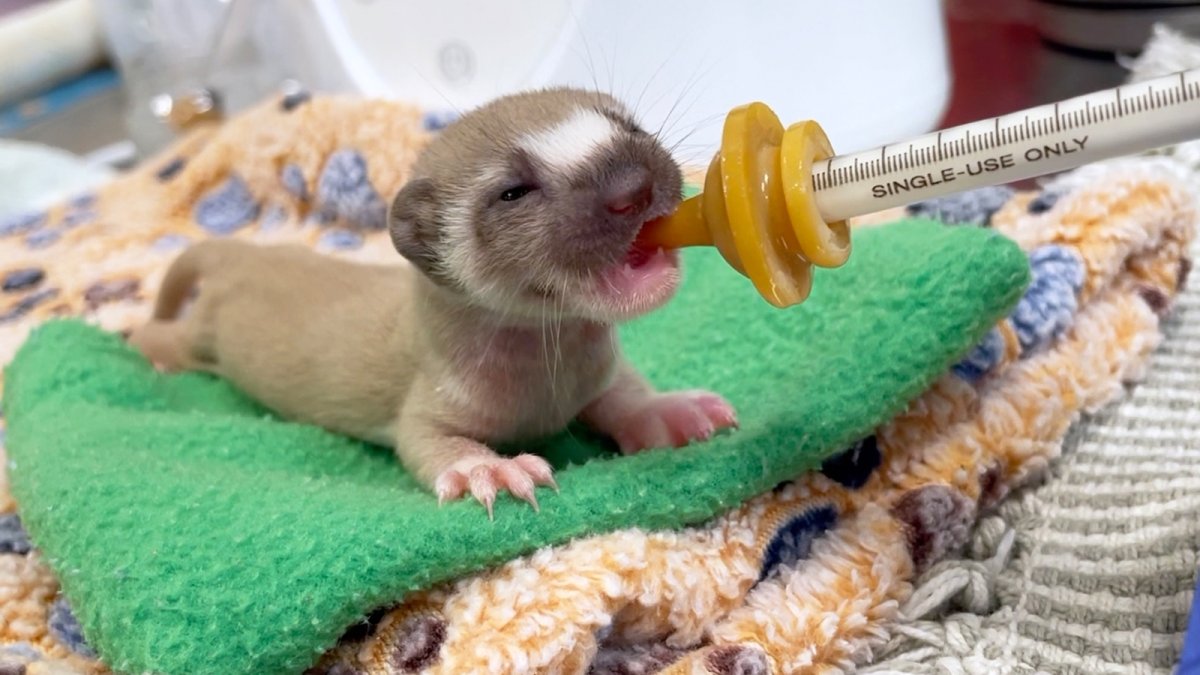
In a rare and successful conservation effort, a juvenile long-tailed weasel has been returned to its natural habitat after completing an intensive 70-day rehabilitation program. The animal, which marked the first recorded instance of its species being admitted to the San Diego Humane Society’s Project Wildlife program, was discovered as an orphaned kit in Riverside County on March 20. Her release back into the wild near Ramona represents a significant milestone for local biodiversity efforts and wildlife veterinary care.
The rehabilitation of the long-tailed weasel—a species known for being notoriously difficult to study due to its elusive, nocturnal nature—required a delicate balance of medical intervention and behavioral preservation. Specialists at the organization’s Bahde Wildlife Center faced a unique challenge: providing necessary treatment for a ringworm infection while ensuring the young predator did not become habituated to human presence. This careful approach is essential for any wildlife rehabilitation, as maintaining a wild animal’s natural fear of humans is a prerequisite for successful reintroduction into the ecosystem.
“Caring for a mammal this young and this rare requires precision and expertise,” said Alexis Wohl, Wildlife Veterinary Manager at the San Diego Humane Society. “Because we so rarely see this species, every milestone — from the first time she successfully ate on her own to open her eyes — is a major victory for our team and local biodiversity.”
A Challenging Path to Recovery
The journey from a critical condition to a healthy release was fraught with hurdles. When the weasel was first admitted to the facility, she was suffering from an infection and was at an age where her eyes had not yet opened. The medical team implemented a rigorous protocol involving around-the-clock specialized feedings and daily medication. According to the San Diego Humane Society’s Project Wildlife program, the first ten days were the most precarious, marked by constant monitoring until the weasel reached the critical milestone of opening her eyes.
Once stable, the animal was transferred to the Ramona Wildlife Center to begin the transition toward independence. This facility provided a controlled environment, specifically designed as a small-mammal habitat, where the young weasel could refine the predatory instincts necessary for survival in the wild. Throughout this 70-day period, staff minimized human interaction to ensure the animal remained wild, a standard practice for the California Department of Fish and Wildlife regarding the rehabilitation of native species.
The Ecological Role of the Long-Tailed Weasel
Long-tailed weasels (Neogale frenata) are among the most versatile and efficient predators in North America. These slender, agile mammals play a crucial role in maintaining ecological balance by regulating populations of rodents and insects. Despite their widespread distribution across the continent, they are frequently overlooked by casual observers. Their speed, combined with a largely nocturnal or crepuscular lifestyle, makes them elusive subjects for researchers and the public alike.
The successful release of this specific individual serves as a reminder of the importance of local wildlife rescue services. As urban development continues to encroach upon natural habitats in Southern California, human-wildlife encounters are becoming more frequent. Professionals in the field emphasize that intervention should only occur when an animal is clearly orphaned, injured, or sick, as unnecessary handling can cause significant stress to wildlife.
What to Do If You Find an Injured Animal
If you encounter wildlife that appears to be in distress, experts advise against attempting to treat the animal yourself. Specialized care is required to ensure the animal’s health and safety, as well as the safety of the rescuer. For those in the San Diego region, the San Diego Humane Society provides a dedicated resource page for wildlife guidance. You may also contact their wildlife emergency line at 619-299-7012 for professional advice on how to proceed.
Looking Ahead
The release of this weasel back into the Ramona area concludes a successful chapter for the Project Wildlife team. While there are no further scheduled updates on this specific animal, her return to the wild is considered a success story in the ongoing effort to protect and understand local species. The San Diego Humane Society continues its work as one of the largest wildlife rehabilitation centers in the region, managing thousands of cases annually.
For those interested in supporting local conservation efforts, the organization encourages community members to report wildlife sightings and injuries through established official channels. We will continue to monitor updates from local wildlife authorities regarding the health and population status of native small mammals in the region. If you have questions about local wildlife, or if you have encountered similar situations, please share your thoughts and experiences in the comments section below.
Related reading