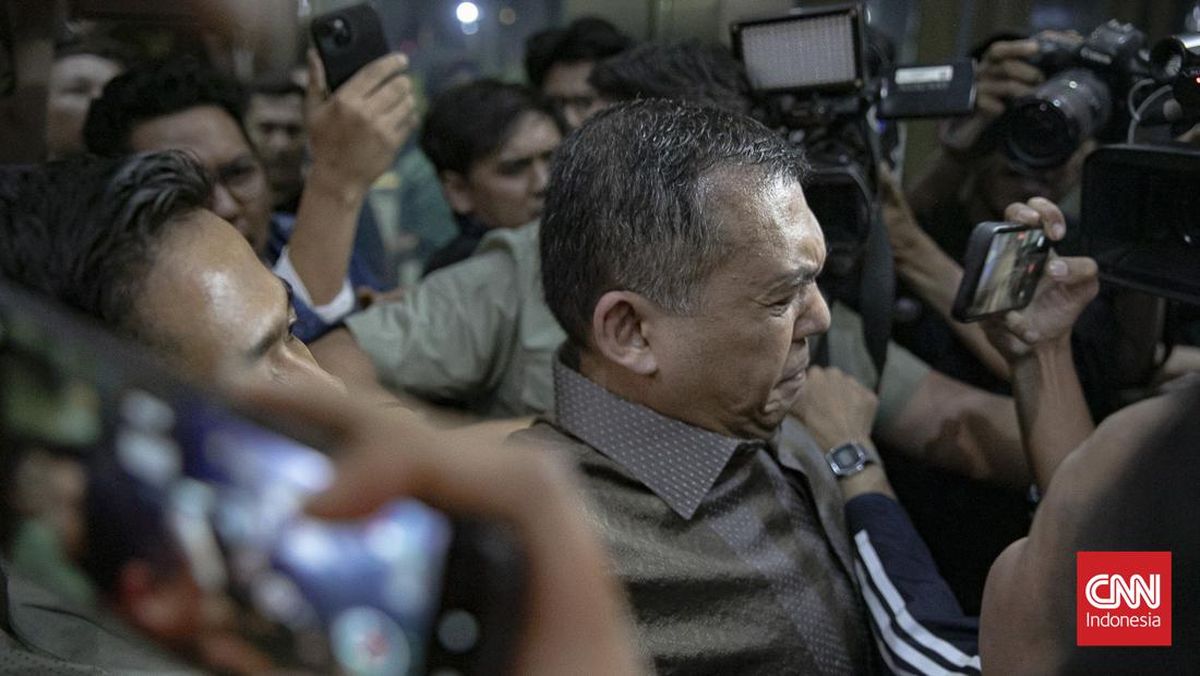
The anti-corruption landscape in Indonesia has reached a critical juncture following a series of high-profile enforcement actions involving senior officials within the Ministry of Immigration and Correctional Affairs (Imipas). In a development that has drawn significant public attention, Deputy Minister Silmy Karim has been at the center of inquiries by the Corruption Eradication Commission (KPK), following a broader investigation into alleged illicit activities within the immigration sector.
The scrutiny follows a wide-reaching operation by the KPK, which resulted in the apprehension of 17 individuals in West Jakarta, as reported by state-affiliated media outlet Antara News. These developments highlight a period of intense institutional reform and accountability efforts within the Indonesian government, as investigators work to untangle complex allegations of graft involving former officials, including the former acting Director General of Immigration, Safar Godam.
Understanding the Scope of the KPK Investigation
The current situation centers on a series of “Hand-Operated Catch” (OTT) operations conducted by the KPK. Such operations are designed to capture suspects in the act of exchanging bribes or facilitating corrupt transactions. The scale of the recent crackdown, which involved 17 separate individuals, underscores the gravity of the allegations currently being processed by the commission. According to official statements from the Corruption Eradication Commission (KPK), the investigation is part of an ongoing effort to sanitize the bureaucratic processes governing national immigration and correctional services.
For those following international affairs, We see essential to understand that the Ministry of Immigration and Correctional Affairs—often referred to by its Indonesian acronym, Imipas—functions as a key pillar in the nation’s border security and legal oversight framework. Allegations of corruption within this body carry significant implications for both domestic policy and international relations, particularly regarding visa processing, border control, and the management of correctional facilities.
The Role of Silmy Karim and Institutional Accountability
Silmy Karim, who serves as the Deputy Minister of Imipas, has been a prominent figure in the government’s efforts to modernize immigration services. His involvement in the current inquiry has prompted discussions regarding the necessity of cooperation with law enforcement. The KPK has publicly urged officials to remain transparent throughout the investigative process, emphasizing that no public servant is beyond the reach of anti-corruption protocols. As noted in reporting by Kompas.com, the commission has prioritized the principle of cooperative engagement to ensure that the facts surrounding the 17 detainees are brought to light without obstruction.
This situation serves as a litmus test for the current administration’s commitment to anti-corruption pledges. The transition of the Immigration and Correctional portfolios into a dedicated ministry reflects a broader strategic shift in the Indonesian government to enhance administrative oversight. However, the discovery of potential corruption within these ranks suggests that the path to reform is fraught with structural challenges.
Key Developments and What Lies Ahead
The legal process, as defined by Indonesian criminal procedural law, requires the KPK to substantiate its findings through rigorous evidentiary standards. The status of the 17 individuals currently in custody is subject to change as the KPK moves from the initial arrest phase to formal indictment. The public and international observers are waiting to see how the commission handles the testimony of key figures and whether the evidence gathered will lead to high-level prosecutions.
- Investigation Status: The KPK is currently finalizing the legal status of the 17 individuals apprehended in the West Jakarta operation.
- Institutional Impact: The inquiry affects the operational leadership of the Ministry of Immigration and Correctional Affairs.
- Legal Cooperation: The commission continues to call for full transparency and cooperation from all relevant stakeholders to ensure the integrity of the judicial process.
As this case progresses, the primary checkpoint for the public will be the formal announcement of charges by the KPK’s legal team, which is expected to clarify the specific nature of the allegations—ranging from bribery to administrative misconduct. The commission maintains a publicly accessible press portal where official updates regarding the investigation are published to maintain transparency for the global and domestic audience.
The situation remains fluid. As a journalist covering these regional shifts for a global audience, I will continue to monitor the filings from the Jakarta court system and official releases from the KPK. The integrity of these institutions is vital not only for Indonesia’s internal governance but also for its standing within the international community. We invite our readers to follow this coverage as we provide further updates on the legal proceedings and their broader implications for the region. Please share your thoughts or questions in the comments section below.
Worth a look