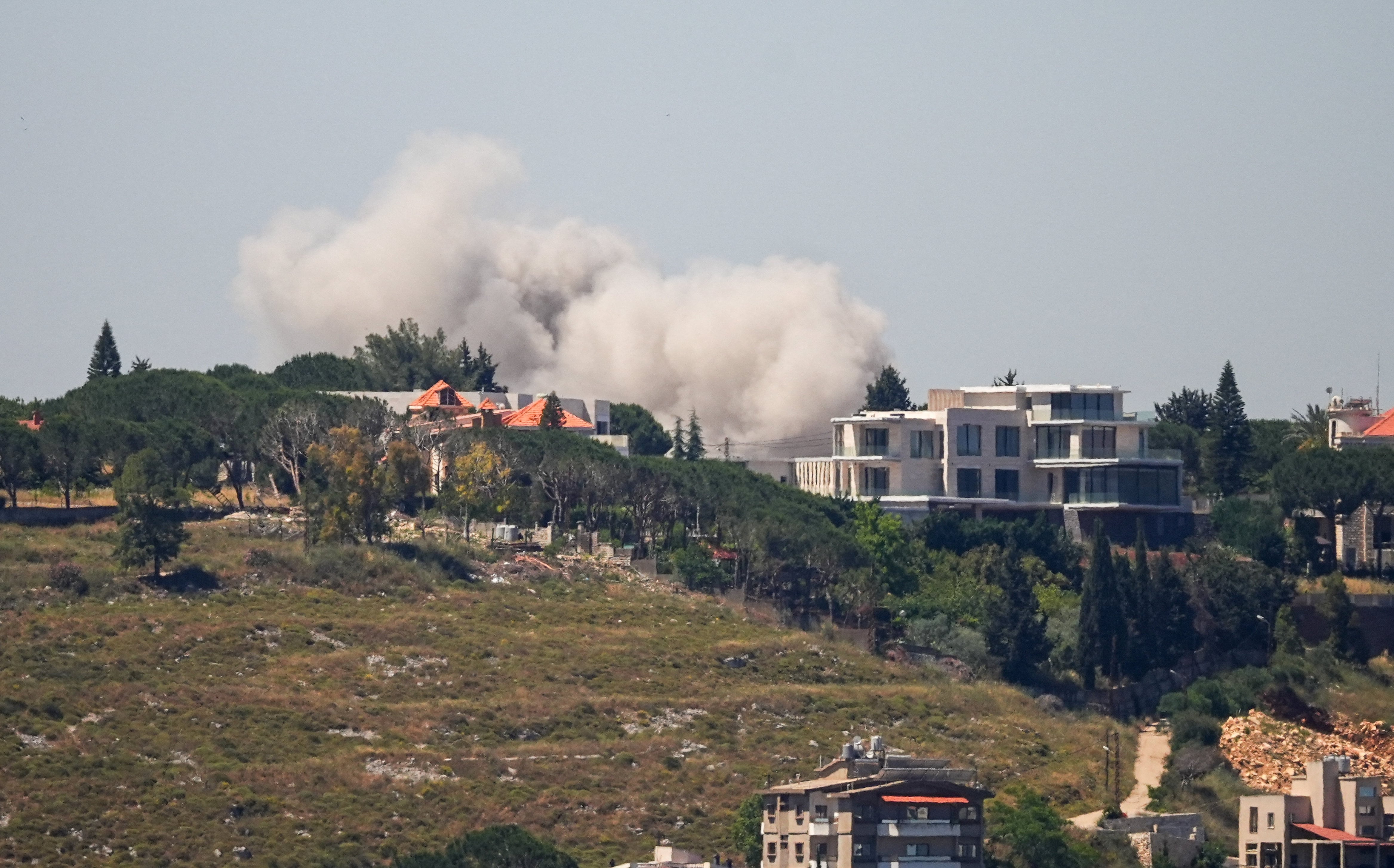
The fragile security landscape in the Middle East remains under intense scrutiny this week as military operations persist despite ongoing diplomatic efforts to solidify a ceasefire. For observers of global markets and geopolitical stability, the situation between Israel and Hezbollah represents a critical point of friction, with recent developments underscoring the complexities of de-escalation in a region where terminology often diverges from the reality on the ground.
As the international community monitors the latest round of negotiations, the term Israel-Hezbollah ceasefire has become a point of contention rather than a definitive cessation of hostilities. While diplomatic channels in Washington remain active, the operational status of the Israel Defense Forces (IDF) in Lebanon remains unchanged. Israeli officials have maintained a consistent stance, emphasizing that their military objectives continue to dictate their regional posture, regardless of the rhetorical framework surrounding current peace talks.
Operational Realities and Strategic Objectives
The current state of play is characterized by a significant gap between diplomatic discourse and military activity. Israeli Defense Minister Israel Katz has publicly stated that the IDF will continue its operations, signaling that the military maintains its current positions within Lebanon to ensure security mandates are met. This persistence in military engagement highlights the divergence between the formal, negotiated parameters of a truce and the tactical requirements defined by the Israeli government, which asserts its right to maintain freedom of action to neutralize threats along its northern border, as reported by Reuters.

The reliance on military force as a primary instrument of policy is not a new development, but its continuation during a period of supposed diplomatic progress has drawn global attention. For investors and policymakers, this creates a volatile environment where the “ceasefire” label provides little predictability. The lack of a unified interpretation of what constitutes a “halt” to hostilities complicates humanitarian efforts and regional economic stability, as supply chains and energy markets remain sensitive to any escalation in the Levant.
The Diplomatic Landscape and Regional Definitions
The ambiguity surrounding the term “ceasefire” has recently been highlighted by international leaders. In a candid assessment, U.S. President Donald Trump addressed the nature of these truces, acknowledging the discrepancy between the formal agreements and the operational reality. When questioned on his definition of such a ceasefire, President Trump characterized the current engagement level in that specific part of the world as a period where hostilities occur in a “more moderate” fashion, a sentiment that underscores the difficulty of achieving a total cessation of fire in an asymmetric conflict, according to The New York Times.
This admission reflects a broader geopolitical truth: international agreements in this theatre often serve as frameworks for managing intensity rather than achieving absolute peace. The ongoing negotiations in Washington are attempting to bridge this divide, yet the physical presence of troops and the continuation of air strikes suggest that the strategic calculus of the involved parties remains firmly rooted in long-term security objectives rather than temporary diplomatic optics.
Key Factors Influencing the Conflict
- Military Autonomy: The Israeli leadership continues to prioritize “freedom of action,” rejecting constraints that might impede their ability to respond to perceived imminent threats.
- Hezbollah’s Stance: The militant group continues to maintain its operational capacity, leading to a persistent cycle of exchange that prevents a full-scale de-escalation.
- Diplomatic Mediation: U.S.-led negotiations are currently focused on reinforcing the existing terms, though the lack of enforcement mechanisms remains a primary hurdle for long-term stability.
What This Means for Global Markets
From an economic perspective, the protracted nature of the conflict serves as a persistent risk factor. Global markets generally price in geopolitical risk, but the “moderate” level of conflict described by officials creates a state of perpetual uncertainty. This “low-level” intensity is often more difficult for markets to quantify than a sudden, high-intensity shock. Businesses operating in or near the region are forced to maintain high-cost contingency plans, impacting everything from regional trade flows to insurance premiums for shipping in the Eastern Mediterranean.
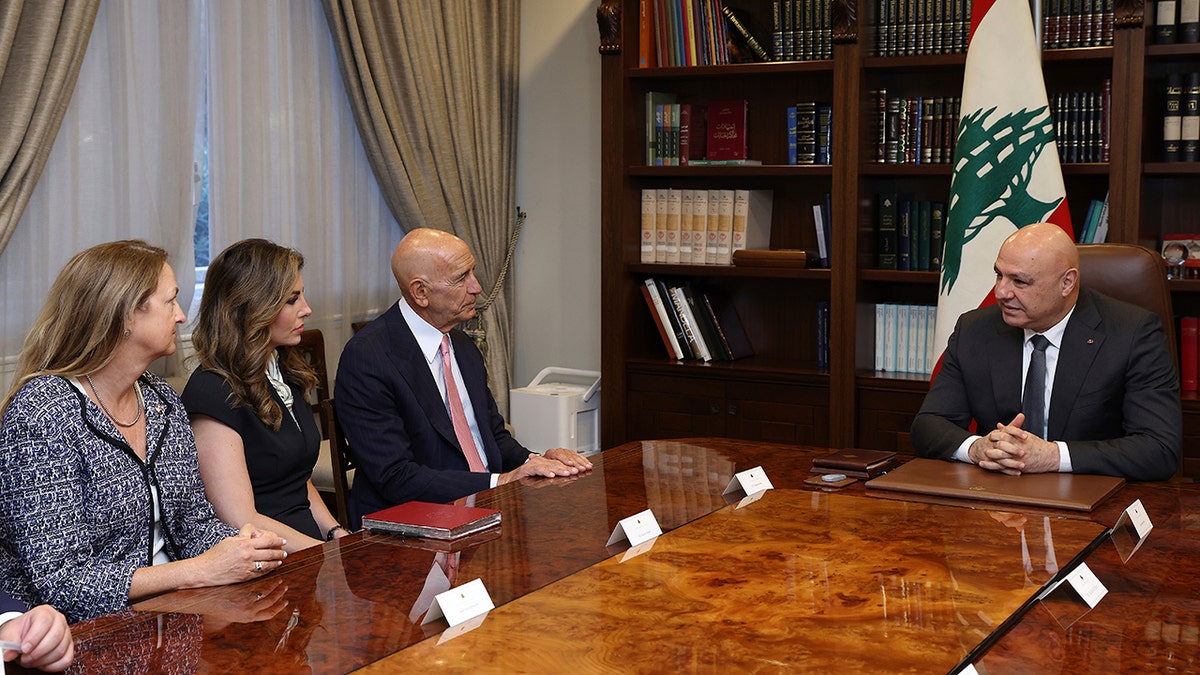
The World Bank has consistently noted that regional instability acts as a drag on growth, discouraging foreign direct investment and disrupting local economic development. As long as the current dynamic persists—where the term “ceasefire” does not equate to the absence of conflict—investors should expect continued volatility in energy prices and regional currency fluctuations.
Looking Ahead: The Next Steps
The next checkpoint in this evolving situation will likely be the outcome of the ongoing diplomatic sessions in Washington, where the focus remains on whether a more robust enforcement mechanism can be established. International observers and humanitarian agencies are closely watching for any official updates regarding the movement of troops or a potential shift in the rules of engagement. For those tracking the situation, the most reliable source for updates remains the official briefings provided by the U.S. Department of State and the relevant defense ministries in the region.
As we continue to monitor these developments, it is essential to distinguish between the language of diplomacy and the reality of the theatre of operations. The situation remains fluid, and the gap between negotiation and action is likely to define the coming weeks. We encourage our readers to stay informed through verified, primary-source updates as this situation continues to develop.
What are your thoughts on the efficacy of current diplomatic efforts in the region? Join the discussion below and share your perspective on how these geopolitical shifts are impacting your sector.
Related reading