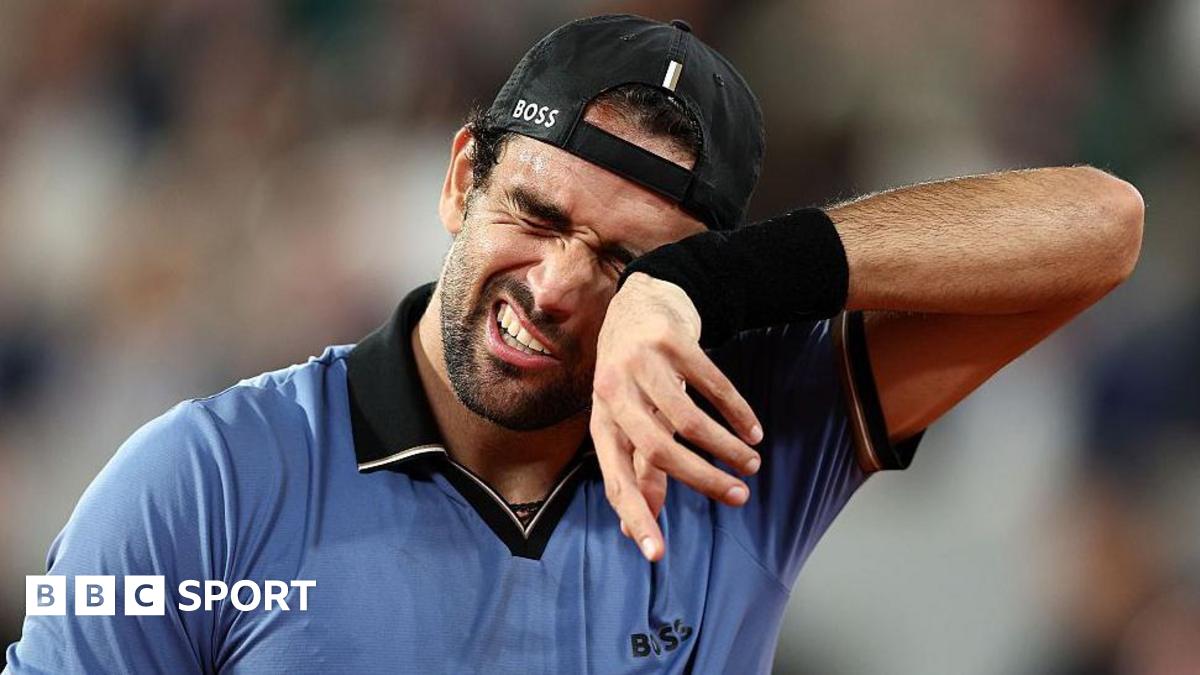
The physical toll of professional tennis is often measured in sets and matches, but for Matteo Berrettini, the narrative of his recent seasons has been defined by a more frustrating metric: the frequency of his departures from the court. The Italian star, once a fixture in the ATP top 10 and a former Wimbledon finalist, recently confirmed his withdrawal from the 2024 French Open, marking yet another setback in a career currently hampered by persistent physical ailments. As Berrettini grapples with the reality of being “tired of retiring,” the tennis world is left to reflect on the fragility of elite athleticism and the difficult road to recovery for one of the sport’s most charismatic figures.
Berrettini’s absence from Roland Garros was not a choice made lightly. After a lengthy struggle with an ankle injury sustained during the 2023 US Open, the 28-year-old had been working toward a return to form on the clay courts. However, a persistent issue—this time identified as an illness that prevented him from competing at the required level—forced his withdrawal from the Paris Grand Slam. According to official reports confirmed by the French Open tournament organizers, the Italian was unable to participate, highlighting the ongoing challenges he faces in maintaining the health necessary to compete at the highest level of professional tennis.
A Cycle of Setbacks and Resilience
For those of us who have followed Berrettini’s trajectory since his breakout years, his current predicament is particularly poignant. The Roman athlete has demonstrated, time and again, that he possesses the technical prowess and the mental fortitude to challenge the world’s best. Yet, the recurring nature of his injuries—ranging from oblique strains to the aforementioned ankle trauma—has created a stop-start rhythm that would test the patience of any competitor. This latest withdrawal from the French Open is not merely a missed tournament; it is a significant disruption to his ranking and his momentum on the ATP Tour.
The frustration expressed by the player is palpable. In professional sports, the inability to control one’s own physical output is often the most difficult hurdle for an athlete to overcome. By his own admission, the exhaustion of constantly working through rehabilitation cycles, only to face new obstacles, has taken a toll on his morale. This sentiment resonates with a global fanbase that has watched him reach the pinnacle of the sport, including his historic run to the 2021 Wimbledon final, where he became the first Italian to compete for the title at the All England Club.
Matteo Berrettini has officially withdrawn from Roland-Garros due to illness. He will be replaced in the draw by Giulio Zeppieri. #RolandGarros
— Roland-Garros (@rolandgarros) May 24, 2024
The Impact of Persistent Injury on Professional Tennis
The broader conversation surrounding Berrettini’s health touches on a critical issue within modern tennis: the grueling nature of the tour calendar. With a season that spans nearly the entire year and requires players to transition across different surfaces—from hard courts to clay and grass—the physical demands are immense. For a player with Berrettini’s power-based game, which relies on explosive serves and heavy groundstrokes, the strain on the body is amplified. When a player misses significant blocks of time, the subsequent pressure to perform upon returning can often lead to further compensatory injuries.
Medical experts and sports scientists often emphasize that the “comeback” phase is where athletes are most vulnerable. The intensity of top-tier matches is difficult to replicate in training, and the sudden jump back into the competitive environment can lead to secondary issues. For Berrettini, the goal remains clear: to find a sustainable training regimen that allows him to compete consistently without the constant threat of a forced retirement. His team, including his coaching staff and medical advisors, faces the difficult task of balancing his desire to play with the necessity of long-term physical preservation.
Key Factors in the Current Situation
- Tournament Impact: The withdrawal from the 2024 French Open meant that Berrettini missed out on crucial ranking points, further complicating his path to seeding in upcoming major events.
- Physical Management: The transition from physical therapy back to competitive intensity remains the primary hurdle for his medical team.
- Psychological Resilience: The mental fatigue associated with “tired of retiring” is a documented phenomenon among elite athletes, often requiring support to navigate the emotional lows of prolonged recovery.
- Future Planning: The focus for the remainder of the 2024 season will likely shift toward selective scheduling to ensure his body can withstand the rigors of the grass-court swing, where he has historically excelled.
Looking Ahead: What Comes Next?
As the tennis community turns its attention to the subsequent stages of the season, the focus for Matteo Berrettini shifts toward a controlled return. While no official date has been set for his next competitive appearance, the priority remains total recovery. Fans and analysts alike will be watching closely to see how he manages his schedule, particularly as he looks to regain his form on surfaces that favor his aggressive style of play. The path back to the top of the ATP rankings is steep, but his history of success suggests that he possesses the tools to bridge the gap if he can maintain his health.
For the sport of tennis, Berrettini remains an essential figure—a player who brings a unique blend of power and passion to the court. His journey serves as a reminder of the thin line between greatness and the physical limitations that define a career. As we wait for official updates regarding his return to the tour, the sentiment from the sporting world remains one of support, and anticipation. The next checkpoint for his season will involve a structured assessment by his medical team before he clears the protocols required for tournament-level intensity.
We invite our readers to share their thoughts on the challenges facing modern athletes in the current era of professional tennis. How should the governing bodies approach the calendar to better protect player health? Join the conversation in the comments section below.
Keep reading